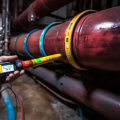
A plumbing inspection is a comprehensive evaluation of a home's plumbing system, designed to identify potential issues and ensure everything is functioning correctly. This process typically involves checking pipes, fixtures, and appliances for leaks, corrosion, and other signs of wear. Homeowners may wonder why such inspections are necessary; the answer lies in the critical role plumbing plays in maintaining a safe and comfortable living environment. Regular inspections can prevent costly repairs down the line and help avoid health hazards associated with water damage or mold growth. The importance of a plumbing inspection cannot be overstated.
For homeowners, understanding the condition of their plumbing system is essential for several reasons. First, it can enhance property value by ensuring that all systems are up to code and functioning efficiently. Second, it provides peace of mind, knowing that potential problems are identified before they escalate into major issues. Lastly, routine inspections can lead to lower utility bills by identifying leaks or inefficiencies that may be costing homeowners money. The plumbing inspection process generally begins with a visual assessment of accessible areas, such as under sinks and around toilets.
Inspectors will look for signs of leaks, check water pressure, and assess the condition of pipes and fixtures. They may also use specialized tools like cameras to inspect hard-to-reach areas within the plumbing system. By understanding this process, homeowners can better appreciate what to look for if they choose to conduct their own inspections.
Is DIY Plumbing Inspection Safe?
When considering a DIY plumbing inspection, safety should be a top priority. While many homeowners are capable of performing basic checks, there are inherent risks involved that can lead to costly mistakes or even hazardous situations.Risks of DIY Plumbing Inspection- Inadequate Knowledge: Without proper training, homeowners may overlook critical issues such as hidden leaks or signs of corrosion.
- Improper Tools: Using the wrong tools can damage plumbing fixtures or worsen existing problems.
- Health Hazards: Exposure to mold, sewage, or harmful chemicals can pose serious health risks during an inspection.
- Code Violations: Homeowners may inadvertently violate local plumbing codes, leading to fines or complications when selling the home.
Here are some scenarios where seeking expert help is advisable:
- If you notice persistent leaks that do not resolve with minor repairs.
- When dealing with complex systems like sewer lines or water heaters.
- If you lack confidence in identifying potential hazards or issues.
- When your inspection reveals signs of significant damage, such as water stains on walls or ceilings.
Tools and Equipment Needed for Plumbing Inspections
When it comes to conducting a plumbing inspection, having the right tools and equipment is essential for homeowners looking to assess their plumbing systems effectively. Below is a list of the most important tools you will need:- Plumbing Snake: This tool is invaluable for clearing clogs in drains and pipes. A plumbing snake can help you identify blockages that may not be visible during a visual inspection.
- Pipe Wrench: A pipe wrench is crucial for tightening or loosening plumbing fittings.
It provides the grip needed to handle various sizes of pipes, making it easier to inspect connections.
- Flashlight: Good lighting is essential during a plumbing inspection. A bright flashlight will help you see into dark spaces, such as under sinks or behind appliances, where leaks or damage may be hiding.
- Water Pressure Gauge: This tool measures the water pressure in your plumbing system. Abnormal pressure readings can indicate issues such as leaks or blockages that require further investigation.
- Moisture Meter: A moisture meter helps detect hidden leaks by measuring the moisture content in walls and floors. This tool is particularly useful for identifying water damage that may not be immediately visible.
- Camera Inspection System: For a more advanced approach, a camera inspection system allows you to visually inspect the inside of pipes.
This technology can reveal cracks, corrosion, and other issues that are difficult to diagnose otherwise.
Step-by-Step Guide to Conducting a Plumbing Inspection
Conducting a plumbing inspection can seem daunting, but with the right approach, homeowners can effectively assess their plumbing systems. Here’s a step-by-step guide to help you perform your own plumbing inspection.- Gather Your Tools: Before starting, collect essential tools such as a flashlight, adjustable wrench, pipe wrench, and a notepad for taking notes.
- Check for Leaks: Begin by inspecting all visible pipes in your home. Look for signs of moisture, corrosion, or water stains.
Pay special attention to joints and connections.
- Inspect Fixtures: Examine sinks, toilets, and bathtubs for any leaks or drips. Flush toilets to ensure they are functioning properly and check for any unusual sounds.
- Examine Water Pressure: Turn on faucets and showerheads to assess water pressure. Low pressure may indicate clogs or leaks in the system.
- Check Drainage: Observe how quickly water drains from sinks and tubs. Slow drainage can signal blockages that need addressing.
- Inspect the Water Heater: Look for signs of rust or leaks around the water heater.
Ensure the temperature is set correctly and check the age of the unit.
- Review the Main Shut-off Valve: Locate your main shut-off valve and ensure it operates smoothly. This is crucial in case of emergencies.
- Visible pipes: Check for leaks and corrosion
- Fixtures: Inspect sinks, toilets, and bathtubs
- Water pressure: Test faucets and showerheads
- Drainage: Observe speed of water drainage
- Water heater: Look for rust or leaks
- Main shut-off valve: Ensure it functions properly
Common Plumbing Issues to Look For
When conducting a plumbing inspection, homeowners should be vigilant about several common plumbing issues that can lead to significant problems if left unaddressed. Here are some key areas to focus on:- Leaky Faucets: A dripping faucet not only wastes water but can also indicate a larger issue with the plumbing system.
Check for signs of corrosion or worn-out washers.
- Slow Drains: If water is pooling in sinks or tubs, it may suggest a blockage in the pipes. Regularly inspect drains for hair, soap scum, or other debris.
- Running Toilets: A toilet that runs continuously can waste a substantial amount of water. This could be due to a faulty flapper valve or issues with the fill mechanism.
- Water Stains: Look for discoloration on walls or ceilings, which may indicate leaks from pipes above. This is especially important in areas like bathrooms and kitchens.
- Low Water Pressure: If you notice a sudden drop in water pressure, it could be due to mineral buildup in pipes or leaks.
Test the pressure at various fixtures to identify the source.
- Inspecting all visible pipes for signs of leaks.
- Checking under sinks for moisture or mold.
- Testing all faucets and showerheads for proper function.
- Monitoring your water bill for unexpected increases.
FAQs About DIY Plumbing Inspections
Homeowners often wonder if they can inspect their own plumbing. The answer is yes, but it requires some knowledge and attention to detail.A DIY plumbing inspection can help you identify potential issues before they escalate into costly repairs. Start by checking visible pipes for leaks, corrosion, or signs of wear. Don’t forget to inspect fixtures like faucets and toilets for any irregularities. Another common question is, what to do if I find a problem during inspection? If you discover a leak or any other issue, the first step is to assess the severity. For minor leaks, you may be able to use plumbing tape or sealant as a temporary fix.
However, if the problem seems significant or beyond your skill level, it’s wise to contact a professional plumber. Ignoring plumbing issues can lead to more extensive damage and higher repair costs. Homeowners should also consider how often they should inspect their plumbing. A good rule of thumb is to conduct a thorough inspection at least once a year. However, if you live in an area with extreme weather conditions or older plumbing systems, more frequent inspections may be necessary.
Regular checks can help you catch problems early and maintain the integrity of your home’s plumbing system.
- Inspect visible pipes: Look for leaks and corrosion.
- Check fixtures: Ensure faucets and toilets are functioning properly.
- Assess severity: Determine if issues require professional help.
Conclusion: Empowering Homeowners Through Knowledge
In conclusion, the ability for a homeowner to perform their own plumbing inspection is not only feasible but also a vital aspect of home maintenance. By understanding the fundamentals of plumbing systems, homeowners can identify potential issues before they escalate into costly repairs.Throughout this article, we have explored various components of a plumbing system, including:- Common signs of plumbing issues, such as leaks, unusual noises, and water pressure changes.
- The importance of regular inspections to maintain the integrity of your plumbing.
- Basic tools and techniques that can aid in conducting a thorough inspection.
By educating yourself about your home’s plumbing system, you can make informed decisions about when to call a professional and when you can handle minor issues on your own. This balance between self-sufficiency and professional assistance is key to effective home management.In summary, while some plumbing tasks are best left to professionals, conducting your own plumbing inspection is an achievable goal that can lead to greater confidence in homeownership. Embrace the opportunity to learn and take charge of your home’s plumbing health!.