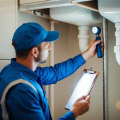
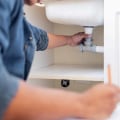
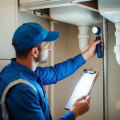
A plumbing inspection is a comprehensive evaluation of a building's plumbing system, designed to identify potential issues and ensure everything is functioning correctly. This process typically involves a thorough examination of pipes, fixtures, and appliances to assess their condition and performance. During a plumbing inspection, professionals look for signs of leaks, corrosion, blockages, and other problems that could lead to costly repairs or health hazards if left unaddressed. The plumbing inspection process usually begins with a visual assessment, where the inspector checks accessible areas for any visible signs of damage or wear. They may also use specialized tools such as cameras to inspect pipes that are not easily reachable.
Additionally, the inspector will test the water pressure and flow rates to ensure that the system operates efficiently. This detailed approach not only helps in identifying existing issues but also aids in predicting future problems that could arise. Understanding what a plumbing inspection entails is crucial for homeowners and property managers alike. Regular inspections can save significant amounts of money in the long run by catching minor issues before they escalate into major repairs. Moreover, they play an essential role in maintaining the overall health of your plumbing system, ensuring that it remains safe and efficient for daily use.
Homeowners: When and Why You Should Schedule a Plumbing Inspection
As a homeowner, understanding when to schedule a plumbing inspection can save you from costly repairs and ensure the safety and functionality of your home.Here are some key scenarios where a plumbing inspection is essential:
- Before Buying a Home: If you’re in the process of purchasing a property, it’s crucial to have a plumbing inspection conducted. This can reveal hidden issues such as leaks, outdated piping, or faulty fixtures that could lead to significant expenses down the line.
- Before Selling Your Home: Scheduling a plumbing inspection before listing your home can provide peace of mind. It allows you to address any plumbing issues proactively, making your property more attractive to potential buyers and potentially increasing its value.
- After Major Renovations: If you’ve recently completed renovations that involved plumbing work, such as adding a bathroom or kitchen remodel, it’s wise to have an inspection. This ensures that all new installations comply with local codes and function correctly.
- When You Notice Signs of Plumbing Issues: If you experience recurring clogs, slow drains, or water stains on walls and ceilings, these could be indicators of underlying plumbing problems.
A timely plumbing inspection can help identify the root cause before it escalates into a more serious issue.
Real Estate Agents: The Importance of Plumbing Inspections in Property Transactions
In the competitive world of real estate, plumbing inspections are often overlooked, yet they play a crucial role in ensuring a smooth property transaction. For real estate agents, recommending a plumbing inspection can safeguard both their clients' investments and their own reputations.Why Real Estate Agents Should Recommend Plumbing Inspections
- Prevent Future Liabilities: A thorough plumbing inspection can uncover hidden issues such as leaks, outdated piping, or faulty fixtures that could lead to costly repairs down the line. By identifying these problems early, agents can help their clients avoid unexpected expenses that may arise after the sale.
- Enhance Property Value: Properties with well-maintained plumbing systems are more attractive to potential buyers.
A clean bill of health from a plumbing inspection can serve as a strong selling point, reassuring buyers that they are making a sound investment.
- Facilitate Negotiations: If a plumbing issue is discovered during an inspection, it provides leverage for negotiations. Buyers may request repairs or price reductions based on the findings, allowing agents to advocate effectively for their clients.
- Build Trust with Clients: By prioritizing plumbing inspections, agents demonstrate their commitment to protecting their clients' interests. This proactive approach fosters trust and can lead to repeat business and referrals.
Conclusion
In summary, real estate agents should strongly consider recommending plumbing inspections as part of the property transaction process. Not only do these inspections help in identifying potential issues that could affect the sale, but they also enhance the overall value of the property and build lasting relationships with clients.
By taking this essential step, agents can ensure smoother transactions and greater satisfaction for all parties involved.
Landlords and Property Managers: Ensuring Tenant Safety and Compliance
For landlords and property managers, conducting regular plumbing inspections is not just a best practice; it is a crucial responsibility that ensures the safety and well-being of tenants. A well-maintained plumbing system can prevent costly repairs and potential legal issues, making it essential for property owners to prioritize these inspections.Tenant Safety
- Health Risks: Leaky pipes and faulty plumbing can lead to mold growth, which poses serious health risks to tenants. Regular inspections help identify and rectify such issues before they escalate.
- Water Damage: Undetected leaks can cause significant water damage, leading to unsafe living conditions. By scheduling routine inspections, landlords can mitigate these risks and ensure a safe environment for their tenants.
Compliance with Regulations
- Local Codes: Many municipalities have specific plumbing codes that landlords must adhere to.
Regular inspections help ensure compliance with these regulations, avoiding fines and legal complications.
- Insurance Requirements: Some insurance policies require proof of regular maintenance, including plumbing inspections. Failing to comply can result in denied claims in the event of a plumbing-related incident.
Protecting Investments
- Preventative Maintenance: Regular plumbing inspections allow landlords to catch minor issues before they turn into major problems, saving money in the long run.
- Increased Property Value: A property with a well-maintained plumbing system is more attractive to potential tenants and can command higher rental prices.
Commercial Property Owners: Protecting Your Business with Regular Inspections
For commercial property owners, maintaining a functional and efficient plumbing system is crucial not only for the comfort of tenants and customers but also for the overall success of the business. Regular plumbing inspections can help identify potential issues before they escalate into costly repairs or downtime.Why Regular Plumbing Inspections Matter
- Prevent Costly Downtime: A plumbing failure can disrupt business operations, leading to lost revenue and dissatisfied customers.
Regular inspections help catch problems early, minimizing the risk of unexpected breakdowns.
- Ensure Compliance: Many commercial properties are subject to health and safety regulations. Routine inspections ensure that your plumbing systems meet local codes, helping you avoid fines and legal issues.
- Enhance Property Value: A well-maintained plumbing system contributes to the overall value of your property. Prospective tenants or buyers are more likely to invest in a property with a reliable plumbing infrastructure.
- Pipes and Fittings: Inspect for leaks, corrosion, or signs of wear that could lead to larger issues.
- Drains and Sewers: Regularly check for blockages or slow drainage that could indicate deeper problems.
- Water Heaters: Ensure that water heaters are functioning efficiently and safely, as they are vital for many commercial operations.
Signs You Need a Plumbing Inspection: How to Identify Potential Issues
Recognizing the signs you need a plumbing inspection is crucial for maintaining the integrity of your home’s plumbing system.Ignoring these signs can lead to more severe issues and costly repairs down the line. Here are some common indicators that it might be time to schedule a plumbing inspection:
- Unexplained Water Bills: If you notice a sudden spike in your water bill without any changes in usage, it could indicate a hidden leak somewhere in your plumbing system.
- Slow Drains: Frequent slow drainage in sinks, tubs, or showers may suggest a blockage or buildup in your pipes that requires professional attention.
- Water Stains: Discoloration on walls or ceilings can be a sign of leaking pipes. If you see these stains, it’s essential to investigate further.
- Mold Growth: The presence of mold or mildew in your home can indicate excess moisture from plumbing issues. This not only affects your home’s structure but can also pose health risks.
- Unpleasant Odors: Foul smells emanating from drains may suggest a sewer line issue or a buildup of waste that needs to be addressed.
- Noisy Pipes: Banging, gurgling, or whistling sounds from your pipes can indicate air trapped in the system or other plumbing problems that require inspection.
Early detection of plumbing problems can save you time, money, and stress in the long run. Regular inspections are also recommended for older homes or properties with complex plumbing systems to ensure everything is functioning correctly.
Frequently Asked Questions About Plumbing Inspections
When considering a plumbing inspection, many homeowners have questions about the process and its importance. Here are some frequently asked questions that can help clarify what to expect.What is a plumbing inspection?
A plumbing inspection is a thorough examination of your home's plumbing system, including pipes, fixtures, and appliances. The goal is to identify any potential issues, such as leaks, clogs, or outdated materials that could lead to more significant problems in the future.Why should I get a plumbing inspection?
- Preventative Maintenance: Regular inspections can help catch minor issues before they escalate into costly repairs.
- Home Purchase: If you're buying a new home, a plumbing inspection can reveal hidden problems that may not be visible during a standard walkthrough.
- Renovations: Before starting any major renovations, it's wise to inspect your plumbing to ensure it can handle any new demands.
What does a plumbing inspection include?
A typical plumbing inspection includes:- Checking for leaks in visible pipes and fixtures.
- Examining water pressure and drainage systems.
- Inspecting the condition of water heaters and sump pumps.
- Assessing the overall layout of the plumbing system for compliance with local codes.
How often should I schedule a plumbing inspection?
It is generally recommended to have a plumbing inspection every 1-2 years.However, if you notice signs of trouble such as slow drains, unusual noises, or water stains, you should schedule an inspection sooner.
What can I expect during the inspection?
During the inspection, a licensed plumber will assess your entire plumbing system. They will provide you with a detailed report of their findings and recommend any necessary repairs or maintenance. This proactive approach can save you time and money in the long run.If you have further questions about plumbing inspections, don't hesitate to reach out to a qualified professional who can provide tailored advice based on your specific situation.Conclusion: The Importance of Regular Plumbing Inspections for Everyone
In conclusion, regular plumbing inspections are essential for a variety of stakeholders, including homeowners, property managers, and real estate professionals. These inspections not only help in identifying potential issues before they escalate into costly repairs but also ensure the safety and efficiency of plumbing systems.Homeowners
benefit significantly from routine inspections as they can prevent water damage, mold growth, and other serious problems that can arise from unnoticed leaks or clogs.By investing in a plumbing inspection, homeowners can save money in the long run and maintain the value of their property.
Property managers
should prioritize plumbing inspections to uphold tenant satisfaction and avoid disruptions. A well-maintained plumbing system contributes to a positive living environment, which can lead to higher tenant retention rates. Regular inspections also help in adhering to local regulations and standards.For real estate professionals, understanding the importance of plumbing inspections can enhance their service offerings. Providing clients with insights into the condition of a property's plumbing system can facilitate smoother transactions and build trust.Buyers are more likely to feel confident in their purchase when they know that a thorough inspection has been conducted.Ultimately, whether you are a homeowner, property manager, or real estate agent, recognizing the value of plumbing inspections is crucial. They serve as a proactive measure to safeguard investments and ensure the longevity of plumbing systems. Regular inspections not only protect your property but also contribute to peace of mind for everyone involved.