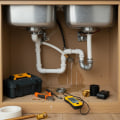
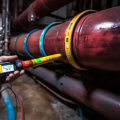
When purchasing a new home, many buyers focus on aesthetics and structural integrity, often overlooking a critical component: the plumbing inspection. A plumbing inspection is a thorough evaluation of the plumbing system within a property, designed to identify any potential issues that could affect the safety and functionality of the home. This process typically involves checking pipes, fixtures, water heaters, and drainage systems to ensure everything is in proper working order. The plumbing inspection process usually begins with a visual assessment by a qualified inspector who will look for signs of leaks, corrosion, or improper installation. They may also use specialized tools to assess the condition of pipes hidden behind walls or underground.
This comprehensive approach not only helps in identifying existing problems but also provides insights into the overall health of the plumbing system. Understanding the importance of plumbing inspections cannot be overstated. For new homes, where everything is expected to be in pristine condition, a plumbing inspection can reveal hidden defects that may not be immediately apparent. Addressing these issues before they escalate can save homeowners significant costs and headaches down the line. Moreover, ensuring that the plumbing system meets local codes and standards is essential for long-term peace of mind and safety.
Why Plumbing Inspections Are Essential for New Homes
When purchasing a new home, many buyers may assume that everything is in perfect working order, including the plumbing system.However, plumbing inspections are essential to ensure that the plumbing infrastructure is not only functional but also safe and efficient. Here are several critical reasons why these inspections should not be overlooked:
- Identifying Hidden Issues: Even in new constructions, plumbing problems can arise due to poor workmanship or substandard materials. A thorough inspection can uncover issues such as leaks, improper drainage, or faulty installations that may not be immediately visible.
- Preventing Future Costs: Addressing plumbing issues early can save homeowners significant amounts of money in the long run. By identifying potential problems before they escalate, buyers can avoid costly repairs and water damage.
- Ensuring Compliance with Codes: New homes must adhere to local building codes and regulations.
A plumbing inspection ensures that all installations meet these standards, providing peace of mind that the home is safe and compliant.
- Assessing Water Quality: An inspection can also evaluate the quality of water supply systems. Contaminants or outdated pipes can lead to health risks, making it crucial to ensure that the water supply is clean and safe for consumption.
- Understanding System Capacity: A plumbing inspection helps determine whether the existing system can handle the household's needs. This is particularly important for families planning to expand or add new appliances.
Common Plumbing Issues Found During Inspections
When it comes to plumbing inspections in new homes, several common issues can arise that may not be immediately visible to the untrained eye.Identifying these problems early can save homeowners significant time and money in the long run.
- Leaky Pipes: One of the most frequent findings during a plumbing inspection is leaky pipes. These leaks can occur due to poor installation, corrosion, or even temperature changes. If left unchecked, they can lead to water damage and mold growth.
- Improper Drainage: Inspectors often find that drainage systems are not functioning as intended. This can be due to incorrect slope angles or blockages in the pipes.
Poor drainage can result in standing water, which poses health risks and structural damage.
- Faulty Fixtures: New homes may have plumbing fixtures that are improperly installed or of subpar quality. Issues such as dripping faucets or running toilets can waste water and increase utility bills.
- Inadequate Venting: Proper venting is crucial for a plumbing system to function effectively. Insufficient venting can lead to slow drainage and unpleasant odors, indicating a potential problem with the sewer line.
- Water Pressure Issues: Inspectors often check for water pressure consistency throughout the home. High or low water pressure can indicate underlying issues with the plumbing system, such as blockages or leaks.
Homeowners should prioritize these findings and consider necessary repairs or upgrades to ensure their plumbing systems operate efficiently and safely.
The Plumbing Inspection Process Explained
A plumbing inspection is a critical step in ensuring the integrity and safety of a new home. Understanding the plumbing inspection process can help homeowners know what to expect and how to prepare for it.During a typical plumbing inspection, the inspector will follow a systematic approach to evaluate the plumbing system. Here’s a breakdown of the key plumbing inspection steps:- Initial Assessment: The inspector will start by reviewing the home’s blueprints and any existing plumbing documentation. This helps them understand the layout and design of the plumbing system.
- Visual Inspection: A thorough visual examination of all accessible plumbing components is conducted.
This includes checking pipes, fixtures, and appliances for signs of leaks, corrosion, or damage.
- Water Pressure Test: The inspector will measure water pressure at various points in the home to ensure it meets local codes and is adequate for daily use.
- Sewer Line Evaluation: Inspectors often use specialized cameras to inspect sewer lines for blockages or damage, which can be crucial for preventing future issues.
- Drainage Assessment: The drainage system is tested to ensure that water flows properly and that there are no obstructions that could lead to backups.
- Location of shut-off valves
- Condition of visible pipes
- Status of water heaters and sump pumps
- Inspection of toilets and faucets for leaks
- Assessment of drainage systems
How to Choose a Qualified Plumbing Inspector
Choosing a qualified plumbing inspector is crucial to ensure that your new home is free from plumbing issues that could lead to costly repairs down the line. Here are some key factors to consider when selecting a plumbing inspector:- Check Credentials: Look for inspectors who are licensed and certified.
A valid license indicates that the inspector has met the necessary training and education requirements. Additionally, certifications from recognized organizations can further validate their expertise.
- Experience Matters: Inquire about the inspector's experience in the field. A seasoned inspector will have a better understanding of common plumbing issues and how to identify them effectively.
- Ask for References: Request references from previous clients. Speaking with past customers can provide insight into the inspector's reliability, thoroughness, and professionalism.
- Review Sample Reports: A qualified plumbing inspector should be able to provide sample inspection reports.
Reviewing these documents can give you an idea of their reporting style and the level of detail they include.
- Inquire About Insurance: Ensure that the inspector carries liability insurance. This protects you in case of any accidents or damages that may occur during the inspection process.
- What specific plumbing systems will you inspect?
- How long will the inspection take?
- What is your fee structure?
- Will you provide a written report after the inspection?
- Do you offer any guarantees on your work?
Cost of Plumbing Inspections for New Homes
When considering a plumbing inspection for new homes, understanding the associated costs is crucial. The average cost of a plumbing inspection typically ranges from $200 to $500 , depending on various factors.Average Cost of Plumbing Inspections
The average price for a plumbing inspection can vary significantly based on the size of the home and the complexity of the plumbing system. For smaller homes, inspections may be on the lower end of the scale, while larger or more complex systems can push costs higher.On average, homeowners can expect to pay:
- Single-family homes: $200 - $300
- Multi-family units: $300 - $500
- Commercial properties: $500 and up
Factors Affecting Inspection Costs
Several factors can influence the overall cost of a plumbing inspection. These include:- Location: Costs can vary by region due to differences in labor rates and demand for plumbing services.
- Size of the Property: Larger homes with more extensive plumbing systems will generally incur higher inspection fees.
- Type of Inspection: A standard visual inspection may cost less than a comprehensive assessment that includes advanced diagnostic tools.
- Additional Services: If repairs or further evaluations are needed, these will add to the total cost.
FAQs About Plumbing Inspections for New Homes
When it comes to plumbing inspections for new homes, many homeowners have questions. Here are some of the most frequently asked questions:Do New Homes Need Plumbing Inspections?
Yes, even new homes should undergo a plumbing inspection.While new construction typically adheres to building codes and standards, issues can still arise due to poor workmanship or material defects. A thorough inspection can identify potential problems before they escalate, ensuring that your plumbing system functions efficiently.
How Often Should Plumbing Be Inspected?
It is generally recommended to have your plumbing inspected every 1 to 2 years. However, if you notice any signs of trouble—such as leaks, unusual noises, or slow drains—it's wise to schedule an inspection sooner. Regular inspections help maintain the integrity of your plumbing system and can save you money in the long run by preventing major repairs.What Happens If Issues Are Found During Inspection?
If a plumbing inspection uncovers issues, the next steps depend on the severity of the problems identified.Minor issues may be easily repaired, while more significant concerns could require extensive work. Typically, a licensed plumber will provide a detailed report outlining the findings and recommend necessary repairs. Addressing these issues promptly can prevent further damage and ensure your home remains safe and comfortable. In summary, investing in a plumbing inspection for your new home is a proactive measure that can safeguard your investment and enhance your peace of mind.
Conclusion: The Value of Plumbing Inspections in New Home Purchases
In conclusion, a plumbing inspection is not just a formality; it is a crucial step in the home-buying process, especially for new homes. While many buyers may assume that newly constructed properties are free from plumbing issues, this is often not the case.Even the most modern homes can have hidden plumbing problems that could lead to significant expenses down the line.Here are some key reasons why a plumbing inspection should be a priority:
- Identifying Hidden Issues: A professional inspection can uncover problems such as leaks, improper installations, or substandard materials that may not be visible during a casual walkthrough.
- Ensuring Compliance: New homes must adhere to local building codes and regulations. A plumbing inspection ensures that all systems are compliant, reducing the risk of future legal issues.
- Peace of Mind: Knowing that your new home’s plumbing system has been thoroughly evaluated provides peace of mind, allowing you to focus on settling into your new space without worrying about unexpected repairs.
- Cost Savings: Addressing plumbing issues early can save homeowners from costly repairs and water damage in the future. An inspection can help identify potential problems before they escalate.
Don’t overlook this essential step; it could save you time, money, and stress in the long run.