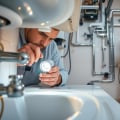
A plumbing inspection is a comprehensive evaluation of a home's plumbing system, designed to identify potential issues and ensure everything is functioning correctly. This process typically involves a thorough examination of pipes, fixtures, and appliances to assess their condition and performance. Homeowners often overlook the importance of regular inspections, but they play a crucial role in maintaining the integrity of a property’s plumbing system. The primary purpose of a plumbing inspection is to detect problems before they escalate into costly repairs. During an inspection, a qualified plumber will check for leaks, corrosion, blockages, and other signs of wear and tear.
By identifying these issues early on, homeowners can save money and avoid the inconvenience of emergency repairs. Additionally, inspections can help ensure that the plumbing system complies with local codes and regulations, providing peace of mind for homeowners. Understanding what a plumbing inspection entails is essential for any homeowner. It not only helps in maintaining the functionality of the plumbing system but also enhances the overall value of the property. Whether you are preparing to buy a new home or simply want to ensure your current home is in good shape, scheduling a plumbing inspection can be a wise investment.
Factors Influencing Plumbing Inspection Costs
When considering the cost of a plumbing inspection, several key factors come into play that can significantly influence the final price.Understanding these factors can help homeowners budget effectively and ensure they receive a thorough evaluation of their plumbing systems.
- Location: The geographical area where the property is located can greatly affect inspection costs. Urban areas typically have higher labor rates compared to rural locations. Additionally, local regulations and demand for plumbing services can also impact pricing.
- Property Size: The size of the property is another crucial factor. Larger homes with more bathrooms, kitchens, and plumbing fixtures will require more time and effort to inspect, leading to higher costs.
Conversely, smaller properties may incur lower inspection fees.
- Complexity of the Plumbing System: The intricacy of the plumbing system plays a significant role in determining inspection costs. Homes with older plumbing systems or those that have undergone extensive renovations may present unique challenges that require more detailed inspections, thus increasing the overall price.
- Type of Inspection: Different types of inspections may be required based on the homeowner's needs. For instance, a standard visual inspection will generally cost less than a comprehensive inspection that includes video camera assessments or specialized testing for leaks and blockages.
- Additional Services: Some plumbing inspectors offer additional services such as water quality testing or sewer line inspections. Opting for these extra services can add to the total cost but may provide valuable insights into the condition of your plumbing system.
By being informed, homeowners can make better decisions regarding their plumbing inspections and ensure they receive quality service tailored to their specific needs.
Average Cost of Plumbing Inspections in the U.S.
When considering a plumbing inspection, understanding the average cost can help homeowners budget effectively. The price of a plumbing inspection can vary significantly based on several factors, including location, the complexity of the plumbing system, and the specific services included in the inspection.On average, homeowners in the United States can expect to pay between $100 and $300 for a standard plumbing inspection. However, this range can fluctuate based on regional differences:- East Coast: In states like New York and Massachusetts, costs may be higher, often ranging from $150 to $400 .
- West Coast: Areas such as California typically see prices between $120 and $350 .
- Midwest: States like Ohio and Michigan generally offer more affordable inspections, with prices around $100 to $250 .
- South: In states like Texas and Florida, homeowners can expect to pay between $100 and $300 .
Always inquire about what is included in the inspection fee to avoid unexpected charges.In summary, while the typical fees for a plumbing inspection can vary widely across different regions in the U.S., being informed about these averages can help you make better decisions when it comes to maintaining your home’s plumbing system.
Types of Plumbing Inspections and Their Costs
When considering a plumbing inspection, it's essential to understand that there are various types, each with its own cost implications. The primary categories include residential, commercial, and specialized plumbing inspections.Residential Plumbing Inspections
For homeowners, a standard residential plumbing inspection typically ranges from $100 to $300. This inspection usually covers the main plumbing systems, including:- Water supply lines
- Drainage systems
- Water heaters
- Fixtures and faucets
Commercial Plumbing Inspections
Commercial plumbing inspections, on the other hand, can be significantly more expensive due to the larger scale and complexity of the systems involved.Costs typically range from $300 to $1,000 or more, depending on factors such as:
- The size of the commercial property
- The number of plumbing fixtures
- The type of business (e.g., restaurant vs. office)
Specialized Plumbing Inspections
In some cases, you may need a specialized plumbing inspection, such as for sewer line evaluations or video camera inspections. These services can range from $150 to $500 or more, depending on the technology used and the specific issues being investigated. For example:- Sewer line inspections using video cameras can cost between $200 and $400.
- Leak detection services may start at around $150 but can increase based on the complexity of the leak.
DIY vs.
Professional Plumbing Inspections: Cost ComparisonWhen considering a plumbing inspection, homeowners often face the choice between conducting a DIY plumbing inspection or hiring a professional. Each option comes with its own set of costs and benefits that can significantly impact your decision.
Cost of DIY Plumbing Inspections
A DIY plumbing inspection can be an appealing option for those looking to save money. The primary costs associated with this approach include:- Tools and Equipment: Basic tools such as a flashlight, pipe wrench, and drain snake can cost anywhere from $50 to $200, depending on quality.
- Time Investment: While there’s no direct monetary cost, the time spent learning about plumbing systems and performing the inspection can be significant.
- Potential Repairs: If issues are overlooked, the cost of repairs can escalate quickly, potentially negating any savings from doing it yourself.
Benefits of Professional Plumbing Inspections
On the other hand, hiring a professional for a plumbing inspection typically ranges from $100 to $300, depending on the complexity of the job and your location. Here are some key benefits:- Expertise: Professionals have extensive training and experience, allowing them to identify issues that a homeowner might miss.
- Comprehensive Reports: A professional inspection often includes a detailed report outlining any problems found and recommendations for repairs.
- Peace of Mind: Knowing that a qualified expert has evaluated your plumbing system can provide reassurance and help prevent future costly repairs.
Cost Comparison: DIY vs.
ProfessionalWhile the initial cost of a DIY plumbing inspection may seem lower, it’s essential to consider the potential long-term expenses associated with missed issues. In contrast, although hiring a professional incurs an upfront cost, it often saves money in the long run by preventing major plumbing disasters. Ultimately, the choice between DIY and professional inspections should be based on your comfort level with plumbing tasks and your willingness to invest in peace of mind.
How to Choose a Plumbing Inspector: Cost Considerations
When it comes to choosing a plumbing inspector, understanding the cost considerations is crucial for making an informed decision. While the price of a plumbing inspection can vary widely based on location, the complexity of the plumbing system, and the inspector's experience, there are several factors to keep in mind to ensure you receive value for your money.- Experience and Qualifications: Look for inspectors who are licensed and have substantial experience in the field.
An inspector with a solid track record may charge more, but their expertise can save you money in the long run by identifying potential issues early.
- Services Offered: Different inspectors may offer varying levels of service. Some may provide a basic inspection, while others might include detailed reports, video inspections, or follow-up consultations. Clarifying what is included in the fee can help you assess whether the cost aligns with your needs.
- Reputation and Reviews: Researching online reviews and asking for recommendations can help you find reputable inspectors. A well-reviewed inspector may charge a premium, but their reliability and thoroughness can justify the expense.
- Cost Estimates: Before hiring an inspector, request estimates from multiple professionals.
This will give you a better understanding of the average cost in your area and help you identify any outliers that may indicate either exceptional service or potential red flags.
Frequently Asked Questions About Plumbing Inspection Costs
When considering a plumbing inspection, many homeowners have questions regarding the costs involved.Here are some of the most frequently asked questions about plumbing inspection costs:
- What is the average cost of a plumbing inspection?
The average cost for a plumbing inspection typically ranges from $100 to $300, depending on the size of the property and the complexity of the plumbing system. - Are there additional fees for specific inspections?
Yes, if specialized inspections are required, such as for sewer lines or older plumbing systems, additional fees may apply. These can range from $50 to $150 more. - How often should I schedule a plumbing inspection?
It is recommended to have a plumbing inspection every 1-2 years, especially if you live in an older home or have experienced plumbing issues in the past. - What factors influence the cost of a plumbing inspection?
Several factors can affect the cost, including:- The size and age of your home
- The location and accessibility of plumbing fixtures
- The reputation and experience of the plumbing inspector
- Can I perform my own plumbing inspection?
While homeowners can conduct basic checks, such as looking for leaks or checking water pressure, it is advisable to hire a professional for a thorough and accurate assessment.
Conclusion: Key Takeaways on Plumbing Inspection Costs
In summary, understanding the costs associated with a plumbing inspection is crucial for homeowners looking to maintain their property effectively. The typical cost of a plumbing inspection can range from $100 to $300, depending on various factors such as the size of the home, the complexity of the plumbing system, and the region in which you live.Key Takeaways:
- Regular Inspections: Scheduling regular plumbing inspections can help identify potential issues before they escalate into costly repairs.
- Cost Variability: Be aware that prices may vary based on local market rates and the specific services included in the inspection.
- Importance of Professional Help: Hiring a qualified plumber for inspections ensures that you receive a thorough evaluation and expert advice on any necessary repairs.
- Long-term Savings: Investing in a plumbing inspection can save homeowners money in the long run by preventing major plumbing disasters.
By being proactive about your plumbing system, you can avoid unexpected breakdowns and maintain a safe and comfortable living environment.