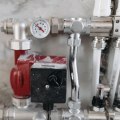
A plumbing inspection is a comprehensive evaluation of a building's plumbing system, designed to identify any potential issues that could lead to costly repairs or safety hazards. This process is crucial for homeowners, real estate agents, and property managers alike, as it ensures that the plumbing infrastructure is functioning correctly and complies with local codes and regulations. During a plumbing inspection, a qualified inspector examines various components, including pipes, fixtures, water heaters, and drainage systems. The primary purpose of a plumbing inspection is to uncover problems before they escalate into major issues. For instance, small leaks can lead to significant water damage if left unchecked, while outdated systems may not meet current safety standards.
By identifying these concerns early on, property owners can take proactive measures to maintain their plumbing systems and avoid unexpected expenses. The typical plumbing inspection process involves several key steps. Initially, the inspector will conduct a visual assessment of the plumbing system, looking for signs of wear and tear or improper installation. Following this, they may use specialized tools to test water pressure and check for leaks. The inspector will also review the condition of fixtures and appliances connected to the plumbing system.
After completing the evaluation, a detailed report is provided, outlining any findings and recommendations for repairs or upgrades.
The Role of a Plumbing Inspector
A plumbing inspector plays a crucial role in ensuring that plumbing systems are safe, efficient, and compliant with local codes and regulations. Their primary responsibility is to conduct thorough inspections of plumbing installations, which can include residential homes, commercial buildings, and public facilities.Key Responsibilities of a Plumbing Inspector:
- Conducting Inspections: Plumbing inspectors examine various components of plumbing systems, including pipes, fixtures, and drainage systems. They assess the installation quality and ensure that all elements meet the required standards.
- Identifying Code Violations: One of the main duties is to identify any violations of plumbing codes. This includes checking for improper installations, inadequate drainage, and other issues that could lead to safety hazards or inefficiencies.
- Documenting Findings: After an inspection, inspectors must document their findings in detail.
This documentation is essential for both the property owner and local authorities to understand any necessary repairs or modifications.
- Providing Recommendations: While plumbing inspectors do not perform repairs themselves, they often provide recommendations on how to address identified issues. This guidance can help property owners make informed decisions about hiring qualified professionals for necessary repairs.
- Ensuring Compliance: Inspectors ensure that all plumbing work complies with local building codes and regulations. This compliance is vital for the safety of occupants and the integrity of the plumbing system.
Understanding these responsibilities can help property owners know what to expect during a plumbing inspection.
Can Plumbing Inspectors Provide Repair Services?
When it comes to plumbing inspections, a common question arises: can plumbing inspectors also provide repair services for any issues they uncover? The answer is not straightforward and involves both legal and ethical considerations.In many jurisdictions, plumbing inspectors are prohibited from offering repair services on the same properties they inspect. This is primarily to avoid a conflict of interest. If an inspector were to find issues during an inspection and then offer to fix them, it could raise questions about the integrity of the inspection process. Homeowners might wonder if the inspector is exaggerating problems to secure repair work.Moreover, many states have regulations that specifically prevent inspectors from engaging in repair work.These laws are designed to ensure that inspections remain unbiased and objective. For instance, if an inspector identifies a significant plumbing issue, their role is to report it accurately without any financial incentive tied to the repairs.However, there are exceptions. In some cases, inspectors may be allowed to perform repairs if they do not inspect their own work or if they are employed by a separate entity that handles repairs. It’s crucial for homeowners to verify the regulations in their area and understand the policies governing plumbing inspections.Ultimately, while some plumbing inspectors may have the qualifications to perform repairs, ethical standards and legal restrictions often prevent them from doing so on properties they inspect.
Homeowners should seek independent repair services after an inspection to ensure that any necessary work is performed by a qualified professional who has no ties to the inspection process.
Legal and Ethical Considerations
When it comes to plumbing inspections, the intersection of legal and ethical considerations is crucial. Plumbing inspectors are tasked with evaluating the condition of plumbing systems, but the question arises: can they also provide repair services for any issues they uncover during their inspections?Legal Issues Surrounding Plumbing Inspectors
In many jurisdictions, laws and regulations explicitly prohibit plumbing inspectors from offering repair services. This is primarily to maintain objectivity and ensure that inspections are conducted without bias. If an inspector were to find issues and then offer to fix them, it could lead to questions about the integrity of the inspection process.
Such practices may violate local licensing laws or industry standards, which are designed to protect consumers.
Ethical Concerns in Plumbing Inspections
Beyond legal implications, there are significant ethical concerns. The primary ethical dilemma arises from the potential for a conflict of interest. If an inspector stands to gain financially from repairs, their ability to provide an unbiased assessment may be compromised. This situation can erode trust between the inspector and the client, as well as damage the reputation of the inspection profession as a whole.Furthermore, ethical guidelines established by professional organizations often discourage inspectors from engaging in repair work.
These guidelines emphasize the importance of impartiality and transparency in all inspection activities.
Conclusion
In summary, while some plumbing inspectors may be tempted to offer repair services after conducting an inspection, both legal and ethical considerations strongly advise against this practice. Maintaining a clear separation between inspection and repair not only upholds industry standards but also protects consumers from potential conflicts of interest.
Alternatives to Using a Plumbing Inspector for Repairs
After a plumbing inspection, homeowners may find themselves facing necessary repairs. While a plumbing inspector's role is to identify issues, they typically do not perform repairs due to potential conflicts of interest. This leaves homeowners with several options for addressing any problems discovered during the inspection.Hiring a Licensed Plumber
The most straightforward option is to hire a licensed plumber.A qualified plumber can provide the expertise needed to address the specific issues identified in the inspection report. When selecting a plumber, consider the following:
- Check Credentials: Ensure the plumber is licensed and insured.
- Read Reviews: Look for customer feedback to gauge their reliability and quality of work.
- Get Estimates: Obtain multiple quotes to ensure you are getting a fair price.
DIY Repairs
If the issues are minor and you have some plumbing knowledge, you might consider tackling the repairs yourself. However, it’s essential to:- Assess Your Skills: Only attempt repairs you feel confident handling.
- Follow Local Codes: Ensure that any work complies with local plumbing codes to avoid future complications.
Consulting with a Home Warranty Provider
If you have a home warranty, check if it covers plumbing repairs. Many warranties include coverage for specific plumbing issues, which can save you money on repairs.In summary, while a plumbing inspector cannot provide repair services, homeowners have viable alternatives.Hiring a licensed plumber is often the best route for significant issues, while DIY repairs may be suitable for minor problems. Additionally, consulting with a home warranty provider can offer financial relief for necessary repairs.
Frequently Asked Questions about Plumbing Inspections
When it comes to plumbing inspections, many homeowners have questions about the role of a plumbing inspector and whether they can provide repair services for any issues discovered during the inspection. Here are some common queries related to this topic:- Can a plumbing inspector perform repairs? Generally, plumbing inspectors are not allowed to perform repairs on the systems they inspect. Their primary role is to evaluate and assess the condition of plumbing systems, ensuring they meet local codes and regulations.
- Why can't inspectors provide repair services? This restriction is in place to maintain objectivity.
If an inspector were to conduct repairs, it could create a conflict of interest, as they might be incentivized to find issues that require fixing.
- What should I do if my inspector finds issues? If your plumbing inspector identifies problems during the inspection, it is advisable to hire a licensed plumber to address these issues. They have the expertise and tools necessary to perform repairs safely and effectively.
- Are there any exceptions? In some cases, inspectors may offer recommendations for trusted plumbing services or contractors who can handle repairs. However, this is typically limited to providing referrals rather than performing the work themselves.
Conclusion: Key Takeaways on Plumbing Inspections and Repair Services
In conclusion, understanding the role of a plumbing inspector is crucial for homeowners and property managers alike.While these professionals are essential for identifying potential issues within plumbing systems, it is important to recognize their limitations regarding repair services.Key Takeaways:
- Plumbing inspectors are primarily tasked with evaluating the condition of plumbing systems, ensuring they meet local codes and regulations.
- They conduct thorough assessments to identify leaks, corrosion, and other potential hazards that could lead to significant problems if left unaddressed.
- However, it is generally against industry standards for inspectors to perform repairs on the systems they inspect. This separation helps maintain objectivity and integrity in the inspection process.
- If issues are found during a plumbing inspection, homeowners should seek licensed plumbers to carry out necessary repairs. This ensures that repairs are done correctly and safely.
Ultimately, maintaining a healthy plumbing system requires collaboration between inspectors and licensed plumbers to ensure both safety and functionality.