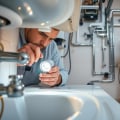
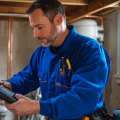
When it comes to maintaining a safe and functional home, plumbing inspections play a crucial role. These assessments are not merely a formality; they are essential for identifying potential issues that could lead to significant damage or costly repairs down the line. A thorough plumbing inspection can uncover hidden leaks, faulty installations, and outdated systems that may compromise the integrity of your home. By prioritizing these inspections, homeowners can ensure that their plumbing systems operate efficiently and safely. Understanding the importance of plumbing inspections goes beyond just preventing immediate problems.
Regular inspections contribute to the longevity of your plumbing system, helping you avoid emergency situations that can disrupt your daily life. Moreover, they provide peace of mind, knowing that your home is equipped with a reliable plumbing infrastructure. This proactive approach not only protects your investment but also enhances the overall value of your property. In an era where DIY solutions are often favored, it’s vital to recognize that some tasks require professional expertise. Finding a reputable plumbing inspector in your area is key to ensuring that you receive a comprehensive evaluation of your plumbing system.
A qualified inspector will not only identify existing issues but also offer recommendations for maintenance and upgrades, making them an invaluable resource for any homeowner.
What to Look for in a Plumbing Inspector
When searching for a reputable plumbing inspector, it’s essential to consider several key qualities and qualifications that can significantly impact the quality of the inspection. Here are some important factors to keep in mind:- Certifications and Licenses: A qualified plumbing inspector should hold relevant certifications and licenses. These credentials indicate that they have undergone the necessary training and adhere to industry standards. Look for inspectors who are certified by recognized organizations, such as the International Association of Plumbing and Mechanical Officials (IAPMO) or the National Association of Home Inspectors (NAHI).
- Experience: Experience plays a crucial role in the effectiveness of a plumbing inspection.
An inspector with several years in the field is likely to have encountered a wide range of plumbing issues, enabling them to identify potential problems more accurately. Ask about their experience with residential inspections specifically, as this can differ from commercial inspections.
- Customer Reviews: One of the best ways to gauge an inspector's reliability is through customer reviews. Check online platforms like Google, Yelp, or Angie's List for feedback from previous clients. Look for inspectors who consistently receive positive reviews regarding their thoroughness, professionalism, and communication skills.
- Detailed Reporting: A good plumbing inspector should provide a comprehensive report detailing their findings.
This report should include photographs, descriptions of any issues found, and recommendations for repairs or further evaluations. A clear and detailed report can help you understand the condition of your plumbing system better.
- Insurance: Ensure that the plumbing inspector carries liability insurance. This protects you in case of any accidents or damages that may occur during the inspection process.
Where to Find Reputable Plumbing Inspectors
Finding a reputable plumbing inspector in your area is crucial for ensuring the integrity of your plumbing system. Here are several effective resources to help you locate qualified professionals:- Online Directories: Websites like HomeAdvisor and Angie's List provide comprehensive listings of local plumbing inspectors.
These platforms often include customer reviews and ratings, which can give you insight into the inspector's reliability and quality of service.
- Local Referrals: One of the best ways to find trustworthy plumbing inspectors is through word-of-mouth recommendations. Ask friends, family, or neighbors if they have had positive experiences with any local inspectors. Personal referrals can often lead you to inspectors who have a proven track record.
- Professional Associations: Organizations such as the International Association of Certified Home Inspectors (InterNACHI) or the American Society of Home Inspectors (ASHI) maintain directories of certified inspectors. These associations require members to adhere to strict ethical standards, ensuring that you are hiring a qualified professional.
- Local Building Departments: Your city or county's building department can be a valuable resource for finding licensed plumbing inspectors.
They often have lists of approved inspectors who meet local regulations and standards.
Questions to Ask Potential Plumbing Inspectors
When searching for a reputable plumbing inspector, asking the right questions can significantly impact your decision. Here are some essential questions to consider during your interviews:- What are your qualifications and experience? It's crucial to know if the inspector has the necessary certifications and how long they have been in the industry.
A seasoned inspector will have a wealth of knowledge about various plumbing systems.
- Can you provide references? Requesting references from previous clients can give you insight into the inspector's reliability and quality of work. Don't hesitate to follow up with these references to ask about their experiences.
- What does your inspection process entail? Understanding the steps involved in the inspection can help you gauge the thoroughness of their work. A comprehensive inspection should cover all aspects of your plumbing system, including pipes, fixtures, and drainage.
- How do you handle potential issues? Inquire about how the inspector addresses problems they discover during the inspection. A good inspector should provide clear explanations and recommendations for repairs or further evaluations.
- What is included in your report? A detailed inspection report is essential for understanding the condition of your plumbing system.
Ask what information will be included and whether it will be easy to understand.
- Do you carry insurance? Ensuring that the inspector has liability insurance protects you in case of any accidents or damages that may occur during the inspection process.
Understanding Plumbing Inspection Costs
When considering a plumbing inspection, understanding the associated costs is essential for homeowners. The price of a plumbing inspection can vary significantly based on several factors, including the location, the complexity of the plumbing system, and the inspector's experience. On average, homeowners can expect to pay between $100 and $300 for a standard plumbing inspection.However, this range can fluctuate based on specific circumstances:
- Location: Urban areas may have higher inspection fees compared to rural regions due to increased demand and cost of living.
- Property Size: Larger homes with more extensive plumbing systems may incur higher costs as they require more time and effort to inspect thoroughly.
- Inspector Qualifications: Highly experienced or certified inspectors may charge more for their services, but they often provide a more comprehensive evaluation.
- Type of Inspection: A basic visual inspection will generally cost less than a detailed inspection that includes advanced diagnostic tools.
Investing in a reputable inspector can save you money in the long run by preventing future plumbing problems.
Red Flags to Watch Out For When Choosing an Inspector
When searching for a reputable plumbing inspector, it’s crucial to be aware of potential red flags that may indicate an untrustworthy professional. Recognizing these warning signs can save you from costly mistakes and ensure that you receive a thorough and honest assessment of your plumbing system.- Lack of Credentials: Always verify that the inspector holds the necessary licenses and certifications. A qualified plumbing inspector should have relevant training and experience. If they cannot provide proof of their credentials, consider this a significant red flag.
- Negative Reviews: Check online reviews and testimonials from previous clients.
If you notice a pattern of negative feedback or complaints about their service, it’s wise to proceed with caution. Look for inspectors with consistently positive reviews.
- High-Pressure Sales Tactics: Be wary of inspectors who push for immediate decisions or try to upsell unnecessary services. A trustworthy inspector will provide you with a clear assessment and allow you time to make informed choices.
- Vague Estimates: If an inspector provides a quote without a detailed breakdown of services, it may indicate a lack of transparency. Reputable inspectors should offer clear, itemized estimates that outline what you can expect.
- No Written Report: A professional plumbing inspection should conclude with a comprehensive written report detailing findings and recommendations.
If an inspector does not provide this documentation, it raises questions about their thoroughness and professionalism.
The Role of Reviews and Testimonials in Choosing an Inspector
When searching for a reputable plumbing inspector, online reviews and testimonials can serve as invaluable resources. They provide insights into the experiences of previous clients, helping you gauge the reliability and professionalism of potential inspectors.Understanding the Importance of Reviews
- Transparency: Reviews often highlight both positive and negative experiences, offering a balanced view of the inspector's capabilities.
- Consistency: Look for patterns in reviews. If multiple clients mention similar strengths or weaknesses, it’s likely indicative of the inspector's overall performance.
- Response to Feedback: Pay attention to how inspectors respond to reviews.
A professional who addresses concerns shows commitment to customer satisfaction.
Where to Find Reliable Reviews
- Google Reviews: A quick search can yield numerous reviews from local clients, providing a broad perspective on the inspector's reputation.
- Yelp: This platform is known for its detailed customer feedback and can help you find inspectors with high ratings.
- Angie's List: This site specializes in home services and often features verified reviews, ensuring authenticity.
The Value of Testimonials
In addition to online reviews, personal testimonials can be particularly persuasive. If you know someone who has recently hired a plumbing inspector, ask about their experience. Personal recommendations often carry more weight than anonymous online reviews.
Final Thoughts
Utilizing online reviews and personal testimonials is essential in your search for a trustworthy plumbing inspector. By carefully evaluating feedback from past clients, you can make an informed decision that ensures your plumbing inspection is conducted by a qualified professional.
Frequently Asked Questions About Plumbing Inspections
When it comes to plumbing inspections, homeowners often have several questions.Here are some of the most frequently asked questions that can help clarify your doubts:
- What is a plumbing inspection?
A plumbing inspection is a thorough examination of your plumbing system, including pipes, fixtures, and appliances, to ensure everything is functioning properly and meets local codes. - Why do I need a plumbing inspection?
Regular inspections can help identify potential issues before they become major problems, saving you time and money in repairs. They are also essential when buying or selling a home. - How often should I schedule a plumbing inspection?
It is recommended to have a plumbing inspection at least once every two years. However, if you live in an older home or have experienced plumbing issues in the past, more frequent inspections may be necessary. - What does a plumbing inspector look for?
Inspectors check for leaks, water pressure issues, drainage problems, and the condition of pipes and fixtures. They also ensure that your system complies with local building codes. - How long does a plumbing inspection take?
Typically, a plumbing inspection can take anywhere from 30 minutes to two hours, depending on the size of your home and the complexity of your plumbing system. - What should I do if problems are found during the inspection?
If issues are identified, it’s crucial to address them promptly.Your inspector can provide recommendations for repairs or further evaluations by licensed plumbers.
Conclusion: Making an Informed Choice for Your Plumbing Inspection Needs
In conclusion, finding a reputable and trustworthy plumbing inspector is crucial for ensuring the integrity of your plumbing system. As we have discussed, a thorough plumbing inspection can save you from costly repairs and potential hazards down the line. Here are the key takeaways to keep in mind:- Research and Reviews: Start by researching local inspectors and reading reviews from previous clients.
Websites like Yelp and Angie's List can provide valuable insights into their reliability and quality of service.
- Credentials Matter: Always check for proper licensing and certifications. A qualified inspector should have the necessary credentials to perform inspections in your area.
- Ask Questions: Don’t hesitate to ask potential inspectors about their experience, inspection process, and what specific issues they look for. A knowledgeable inspector will be happy to share this information.
- Get Multiple Quotes: Comparing quotes from different inspectors can help you gauge the average cost and ensure you’re not overpaying for services.
- Trust Your Instincts: Finally, trust your gut feeling. If something feels off during your interactions with an inspector, it’s okay to seek out someone else.
Remember, investing time in selecting the right inspector now can prevent significant issues in the future. Take action today to protect your home and ensure your plumbing system is in top condition.