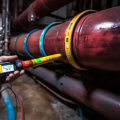
Plumbing Inspection and Mechanical Movement
Plumbing inspection often focuses on pipes, fittings, leaks, and water flow, but mechanical components can also require careful evaluation. Valves, actuators, and related equipment may move linearly or rotate during normal operation. Measuring this movement can help engineers determine whether a component is operating within its intended range.
For testing systems used alongside plumbing equipment, reliable position feedback can provide useful information about component performance. UniMeasure offers displacement measurement products that can support engineering applications where accurate movement data matters.
Linear Measurement for Plumbing Equipment
In plumbing-related equipment, some components move along a straight path. Valve stems and actuator shafts, for example, may extend or retract as a system operates. Linear displacement measurement can help engineers monitor these movements and compare actual travel against expected specifications.
Linear variable displacement transducers are designed to measure this type of movement with precision. They can be useful in equipment testing, development, and automated systems where consistent position feedback is important. Their applications can extend well beyond plumbing, including machinery, laboratory equipment, and industrial controls.
Rotary Measurement for Industrial Applications
Not every mechanical component moves in a straight line. Some valves, controls, and machinery operate through angular movement. In these situations, rotary displacement measurement can provide information about the position or rotation of a moving component.
RVDTs can be used when engineers need repeatable angular position feedback. When evaluating different sensing options, application requirements such as rotational range, installation space, operating conditions, and required accuracy should be considered. A linear and rotary variable displacement transducers supplier can help buyers identify products suited to these technical requirements.
Selecting Sensors for Engineering Systems
Choosing a displacement sensor involves more than selecting between linear and rotary measurement. Engineers may need to consider:
- Required measurement range
- Accuracy and repeatability
- Mechanical configuration
- Environmental conditions
- Mounting requirements
- Compatibility with existing instrumentation
An experienced supplier can help clarify these factors before a purchase is made. UniMeasure Inc. provides displacement measurement solutions for engineering and industrial applications, giving customers access to products intended for different measurement requirements.
Upgrade Inspection and Testing With UniMeasure
Accurate movement data can add another layer of understanding when plumbing inspection involves mechanically operated components. Whether a project requires monitoring valve travel, actuator movement, or rotational position, the appropriate displacement sensor can provide valuable feedback during testing and development.
UniMeasure Inc. can help businesses and engineers explore suitable linear and rotary variable displacement transducers for their specific applications. Contact UniMeasure today to discuss your measurement requirements and find the right displacement sensing solution for your project.