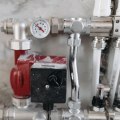
A plumbing inspection is a critical evaluation of a property's plumbing system, designed to identify any existing issues or potential problems that could lead to costly repairs down the line. This process typically involves a thorough examination of pipes, fixtures, and appliances to ensure they are functioning correctly and comply with local building codes. Understanding what a plumbing inspection entails is essential for homeowners and prospective buyers alike, as it can significantly impact property value and safety. The primary purpose of a plumbing inspection is to assess the condition of the plumbing system and to detect any leaks, clogs, or other malfunctions that may not be immediately visible. During the inspection process, a licensed plumber will check various components, including water supply lines, drainage systems, and sewer connections.
They may also utilize advanced tools such as cameras to inspect hard-to-reach areas, ensuring a comprehensive evaluation. Typically, the plumbing inspection process begins with a visual assessment of accessible plumbing fixtures and systems. The inspector will look for signs of wear and tear, corrosion, or any irregularities that could indicate underlying issues. Following this initial assessment, more detailed inspections may be conducted, including pressure tests and water quality assessments. By understanding the intricacies of this process, homeowners can better appreciate the importance of regular plumbing inspections in maintaining their property’s integrity.
Why Are Plumbing Inspections Necessary?
Plumbing inspections are a crucial aspect of maintaining the integrity and safety of any property.They serve multiple purposes that benefit homeowners and property managers alike.
Safety First
: One of the primary reasons for conducting a plumbing inspection is to ensure the safety of the occupants. Undetected leaks or faulty installations can lead to significant hazards, including water damage, mold growth, and even structural issues. Regular inspections help identify these problems before they escalate.
Compliance with Regulations
: Many local building codes require plumbing systems to meet specific standards. A plumbing inspection ensures that your system complies with these regulations, helping you avoid potential fines or legal issues.
This is particularly important for property managers who must adhere to strict compliance guidelines.
Preventive Maintenance
: Regular plumbing inspections can save homeowners money in the long run. By identifying minor issues early, such as slow leaks or corroded pipes, you can address them before they develop into costly repairs. This proactive approach not only extends the lifespan of your plumbing system but also enhances its efficiency.
- Increased Property Value: A well-maintained plumbing system can significantly increase the value of your property. Prospective buyers are more likely to invest in a home that has been regularly inspected and maintained.
- Peace of Mind: Knowing that your plumbing system has been thoroughly inspected provides peace of mind.
Homeowners can rest easy knowing that their home is safe and compliant with local regulations.
- Expert Insights: During an inspection, licensed plumbers can offer valuable insights into your plumbing system's condition and recommend necessary upgrades or repairs.
The Role of the Homeowner During a Plumbing Inspection
When it comes to a plumbing inspection, the role of the homeowner can significantly influence the outcome of the process. While it is not strictly necessary to be present during the inspection, there are several compelling reasons why your presence can be beneficial.Understanding the Inspection Process
- Being on-site allows you to gain firsthand knowledge about the condition of your plumbing system.
- You can ask questions directly to the inspector, clarifying any concerns or uncertainties you may have.
- Observing the inspection can help you understand potential issues that may arise in the future.
Addressing Concerns and Questions
Homeowners often have specific concerns regarding their plumbing systems. By being present, you can:
- Point out areas of concern that may not be immediately visible to the inspector.
- Discuss any previous plumbing issues you've encountered, which can provide context for the inspector.
- Receive immediate feedback on any potential problems and suggested solutions.
Building a Relationship with Your Inspector
Your presence during a plumbing inspection fosters a relationship with the inspector, which can be advantageous for future inspections or repairs.
Establishing rapport can lead to:
- A more thorough inspection as the inspector may feel more accountable to you.
- Better communication in case follow-up work is needed.
- A trusted resource for ongoing maintenance advice and recommendations.
What Happens If You’re Not Present?
When a homeowner is not present during a plumbing inspection, several potential risks and drawbacks can arise. One of the most significant issues is the possibility of miscommunication between the inspector and the homeowner. Without direct interaction, important details about the plumbing system may be overlooked or misunderstood.Additionally, being absent means missing out on valuable opportunities to ask questions.Homeowners often have specific concerns or curiosities about their plumbing systems that can be addressed during the inspection. Without their presence, these questions may go unasked, leaving the homeowner with lingering uncertainties.
Consequences of Not Being Present
- Inaccurate Reporting: Inspectors may not fully understand the context of certain plumbing issues without the homeowner's input, leading to incomplete or inaccurate reports.
- Missed Recommendations: Homeowners might miss out on crucial recommendations for repairs or upgrades that could enhance their plumbing system's efficiency and longevity.
- Lack of Understanding: Without firsthand experience during the inspection, homeowners may struggle to grasp the significance of findings, making it harder to prioritize necessary actions.
- Delayed Decisions: If questions arise after the inspection, homeowners may face delays in making informed decisions about repairs or maintenance.
Common Questions About Plumbing Inspections
When it comes to plumbing inspections, many homeowners have questions about the process and their role in it. Here are some of the most common inquiries:- Do I need to be present during the plumbing inspection? While it is not strictly necessary for homeowners to be present, it is highly recommended.
Being on-site allows you to ask questions and gain immediate insights into any issues that may arise.
- What will the inspector look for? Inspectors typically check for leaks, pipe integrity, drainage issues, and compliance with local codes. They may also assess the condition of fixtures and appliances connected to the plumbing system.
- How long does a plumbing inspection take? The duration can vary based on the size of your home and the complexity of your plumbing system, but most inspections last between 1 to 3 hours.
- What happens if problems are found? If the inspector identifies any issues, they will provide a detailed report outlining necessary repairs or upgrades. This information is crucial for making informed decisions about your plumbing system.
- Can I prepare for a plumbing inspection? Yes! Clear access to all plumbing areas, including under sinks and around appliances, can help facilitate a smoother inspection process. Additionally, having any relevant documents, such as previous inspection reports or maintenance records, can be beneficial.
Engaging with your inspector can lead to valuable insights that enhance your home's plumbing health.
Tips for Homeowners During a Plumbing Inspection
Preparing for a plumbing inspection can significantly impact the outcome and ensure that everything runs smoothly. Here are some practical tips for homeowners to consider:- Know What to Expect: Familiarize yourself with the plumbing inspection process. Typically, an inspector will check for leaks, water pressure, drainage issues, and the condition of pipes and fixtures.
- Clear Access Points: Ensure that the inspector has easy access to all plumbing areas, including under sinks, in basements, and around water heaters. Move any furniture or items that may obstruct access.
- Document Existing Issues: If you are aware of any plumbing problems, such as slow drains or leaks, document them.
This information can help the inspector focus on specific areas that may need attention.
- Be Available for Questions: While it’s not mandatory to be present during the inspection, being available can be beneficial. You can ask questions and gain insights into potential issues or maintenance tips directly from the inspector.
- Review Local Codes: Understanding local plumbing codes can help you know what standards your plumbing system should meet. This knowledge can also assist in discussions with the inspector.
Conclusion: The Value of Being Present During Your Plumbing Inspection
In conclusion, being present during your plumbing inspection is not just a matter of convenience; it is a crucial step in ensuring the integrity and safety of your home’s plumbing system. Throughout this article, we have explored several key reasons why your presence can make a significant difference. Firstly, being on-site allows you to ask questions and gain immediate insights into the condition of your plumbing.This direct communication with the inspector can clarify any concerns you may have and provide you with a better understanding of potential issues. Secondly, your presence enables you to witness the inspection process firsthand. This transparency can help you feel more confident in the findings and recommendations provided by the inspector. You can also ensure that all areas of concern are thoroughly examined, which might not be the case if you were absent. Moreover, being involved in the inspection can foster a sense of ownership over your home maintenance. Understanding the state of your plumbing system empowers you to make informed decisions about repairs or upgrades, ultimately saving you time and money in the long run. Lastly, having a proactive approach by attending the inspection can help build a rapport with your plumbing professional.
This relationship can be beneficial for future maintenance needs and emergencies. In summary, while it may seem convenient to skip out on the plumbing inspection, the benefits of being present far outweigh any perceived drawbacks. By taking an active role in this process, you are investing in the longevity and functionality of your home’s plumbing system.