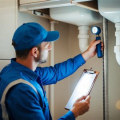
A plumbing inspection is a comprehensive evaluation of a building's plumbing system, designed to identify potential issues and ensure everything is functioning correctly. This process involves a thorough examination of pipes, fixtures, and appliances to detect leaks, corrosion, or any signs of wear and tear. By conducting regular inspections, homeowners can maintain the integrity of their plumbing systems and avoid costly repairs down the line. The primary purpose of a plumbing inspection is to safeguard the health and safety of the occupants. Plumbing systems are crucial for delivering clean water and removing waste efficiently.
Any malfunction can lead to serious health risks, such as contamination or flooding. Therefore, understanding what a plumbing inspection entails is essential for homeowners who want to protect their property and ensure a reliable water supply. During a plumbing system inspection, licensed professionals utilize specialized tools to assess various components, including pipes, drains, water heaters, and sewer lines. They look for signs of leaks, blockages, or deterioration that could compromise the system's performance. Additionally, inspectors often provide valuable insights into maintenance practices that can prolong the life of your plumbing system.
By being proactive and scheduling regular inspections, homeowners can not only enhance their plumbing's efficiency but also contribute to a healthier living environment.
Why Are Plumbing Inspections Necessary?
Plumbing inspections are a crucial aspect of home maintenance that often go overlooked. Regular inspections can save homeowners from costly repairs down the line, ensuring that minor issues are addressed before they escalate into major problems. For instance, a small leak can lead to significant water damage if not detected early, resulting in expensive repairs and potential mold growth.Moreover, plumbing inspections play a vital role in ensuring the safety of your home. Faulty plumbing can lead to hazardous situations, such as gas leaks or sewage backups, which pose serious health risks to residents.By having a professional inspect your plumbing system, you can identify and rectify these dangers before they become critical.Another important benefit of plumbing inspections is the maintenance of your property value. A well-maintained plumbing system is an attractive feature for potential buyers. If you plan to sell your home in the future, having documented inspections can provide assurance to buyers that the plumbing is in good condition, potentially increasing your home's market value.
- Prevent Costly Repairs: Early detection of issues can save thousands in repair costs.
- Ensure Safety: Identifying hazards protects your family from health risks.
- Maintain Property Value: Regular inspections enhance buyer confidence and property appeal.
Can You Request Specific Areas of the Plumbing System to Be Inspected?
When it comes to plumbing inspections, many homeowners wonder if they can request specific areas of their plumbing system to be examined.The good news is that, in most cases, you can indeed make custom requests for your plumbing inspection.Here are some key points to consider when requesting specific areas:
- Identify Concerns: If you have noticed issues such as leaks, slow drains, or unusual noises, it’s important to communicate these concerns to your plumber. This will help them focus on the areas that need the most attention.
- Type of Inspection: Different types of inspections may allow for varying levels of customization. For example, a routine inspection might cover the entire system, while a targeted inspection can focus on specific areas like the kitchen or bathroom.
- Plumber's Expertise: A qualified plumber will often welcome your input and may even suggest additional areas to inspect based on their experience. They can provide insights into common problem areas that you might not have considered.
- Water Heaters: If your water heater is aging or showing signs of wear, it’s wise to have it inspected thoroughly.
- Sewage Lines: If you experience frequent clogs or backups, a focused inspection of your sewage lines can help identify blockages or damage.
- Pipes and Fittings: Older homes may have outdated piping materials that require closer examination for leaks or corrosion.
Don’t hesitate to discuss your specific needs with your plumber; they are there to help ensure your home’s plumbing operates smoothly and efficiently.
Common Areas Homeowners Might Want Inspected
When it comes to a plumbing inspection, homeowners often have specific areas in mind that they want to be thoroughly examined. Understanding these common areas can help you prioritize your inspection and ensure that potential issues are addressed before they escalate.- Water Heaters: One of the most critical components of your plumbing system, water heaters should be inspected for signs of leaks, corrosion, and sediment buildup. Regular checks can prevent unexpected failures and extend the lifespan of the unit.
- Sewer Lines: Problems in sewer lines can lead to significant damage and health hazards. Homeowners should request inspections for blockages, tree root intrusions, or cracks in the pipes.
A video inspection can provide a clear view of the condition of your sewer system.
- Faucets and Fixtures: Dripping faucets and malfunctioning fixtures can waste water and increase utility bills. Inspecting these areas can help identify leaks or wear that may require repair or replacement.
- Toilets: Toilets are another area that often requires inspection. Homeowners should look for signs of leaks around the base, running water, or issues with flushing. A thorough inspection can help identify problems that may not be immediately visible.
- Pipes and Connections: Inspecting visible pipes for signs of corrosion, rust, or leaks is essential.
Pay attention to connections under sinks and behind appliances where leaks are more likely to occur.
How to Communicate Your Inspection Needs to a Plumber
When it comes to a plumbing inspection, clear communication with your plumber is essential to ensure that all your specific concerns are addressed. Here are some effective strategies to communicate your inspection needs:- Prepare a List of Concerns: Before the inspection, jot down any specific areas or issues you want the plumber to focus on. This could include problems like slow drains, unusual noises, or visible leaks.
- Be Specific: When discussing your concerns, use precise language. Instead of saying "the plumbing is bad," specify which part of the system you believe is problematic, such as "the kitchen sink drain seems clogged" or "there's a leak under the bathroom sink."
- Ask Questions: Don’t hesitate to ask your plumber questions about the inspection process.
Inquire about what they will be looking for and how they will conduct the inspection. This not only shows your interest but also helps you understand what to expect.
- Request a Detailed Report: After the inspection, ask for a detailed report outlining their findings. This should include any issues discovered, recommended repairs, and potential future problems. A thorough report can help you make informed decisions about necessary repairs.
This allows you to point out specific areas of concern in real-time and ask questions as they arise. By being proactive and engaged in the process, you can ensure that your plumbing inspection is comprehensive and tailored to your needs.
What to Expect During a Plumbing Inspection
When you schedule a plumbing inspection, it’s essential to understand what to expect during the process. A typical inspection usually lasts between 1 to 2 hours, depending on the size of your home and the complexity of your plumbing system.Plumbers
will begin by assessing the visible plumbing fixtures, including sinks, toilets, and bathtubs. They will check for any signs of leaks, corrosion, or damage.Additionally, they will inspect the water supply lines and drainage systems to ensure everything is functioning correctly.
Key Areas of Focus
- Water Pressure: The plumber will measure the water pressure to ensure it meets local standards.
- Drainage: They will examine the drainage system for clogs or slow drainage issues.
- Pipe Condition: Inspecting pipes for rust, leaks, or deterioration is crucial for preventing future problems.
- Water Heater: The condition and efficiency of your water heater will also be evaluated.
FAQs About Plumbing Inspections
When it comes to plumbing inspections, homeowners often have specific concerns and questions.Here are some of the most frequently asked questions regarding plumbing inspections:
- Can I request specific areas of the plumbing system to be inspected?
Yes, you can absolutely request specific areas to be inspected. Whether you are concerned about a particular leak, drainage issue, or the condition of your pipes, informing your plumber about your specific concerns will help them focus their inspection on those areas. - How often should I have a plumbing inspection?
It is generally recommended to have a plumbing inspection at least once every two years. However, if you live in an older home or have experienced plumbing issues in the past, more frequent inspections may be beneficial. - What does a plumbing inspection typically include?
A standard plumbing inspection usually includes checking for leaks, assessing the condition of pipes, inspecting water heaters, examining fixtures, and evaluating drainage systems. Your plumber may also check for signs of mold or water damage. - Are plumbing inspections necessary before buying a home?
Yes, having a plumbing inspection before purchasing a home is crucial.It can uncover potential issues that could lead to costly repairs down the line and provide peace of mind about your investment.
Conclusion: The Importance of Tailored Plumbing Inspections
In conclusion, tailored plumbing inspections are essential for maintaining the integrity and functionality of your home’s plumbing system. As we have discussed, being proactive about these inspections can save you from costly repairs and unexpected emergencies down the line. By requesting specific areas to be inspected, you can ensure that potential issues are identified before they escalate.Homeowners should not hesitate to communicate their concerns with plumbing professionals.Whether it’s a recurring leak, low water pressure, or signs of mold, pinpointing these issues allows for a more focused inspection. This targeted approach not only enhances the efficiency of the inspection process but also provides peace of mind knowing that critical areas are being thoroughly evaluated.
- Cost Savings: Addressing plumbing issues early can prevent expensive repairs in the future.
- Increased Safety: Regular inspections help identify hazards such as gas leaks or sewage backups.
- Improved Efficiency: A well-maintained plumbing system operates more efficiently, saving you money on utility bills.