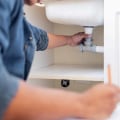
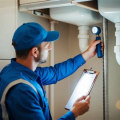
A plumbing inspection is a critical process that involves a thorough examination of a building's plumbing system to ensure its functionality and safety. This inspection is not just a routine check; it plays a vital role in identifying potential issues before they escalate into costly repairs. By assessing the condition of pipes, fixtures, and drainage systems, homeowners and property managers can maintain the integrity of their plumbing systems and avoid unexpected emergencies. The importance of a plumbing inspection cannot be overstated. Regular inspections help in detecting leaks, corrosion, and blockages that may not be immediately visible.
These hidden problems can lead to significant water damage, mold growth, and even structural issues if left unaddressed. Moreover, a comprehensive inspection can enhance the efficiency of the plumbing system, ultimately saving money on water bills and reducing environmental impact. As we delve deeper into the tools and equipment used during a plumbing inspection, it becomes clear that these instruments are essential for accurately diagnosing issues within the plumbing infrastructure. From advanced cameras to pressure gauges, each tool serves a specific purpose in ensuring that every aspect of the plumbing system is thoroughly evaluated. Understanding these tools will not only highlight their significance but also empower homeowners to make informed decisions regarding their plumbing maintenance.
Key Tools Used in Plumbing Inspections
When it comes to a plumbing inspection, having the right tools is essential for accurately assessing the condition of plumbing systems.Below is a list of key tools commonly used during these inspections, along with their functions and importance.
- Pipe Inspection Camera: This tool allows plumbers to visually inspect the interior of pipes without invasive procedures. The camera transmits real-time video, helping to identify blockages, leaks, and structural issues.
- Drain Snake: Also known as a plumbing auger, this tool is used to clear clogs in drains and pipes. It can reach deep into plumbing systems to remove stubborn blockages that may not be visible.
- Pressure Gauge: A pressure gauge measures the water pressure within the plumbing system. This is crucial for identifying issues such as leaks or inadequate pressure that could affect water flow.
- Moisture Meter: This device detects moisture levels in walls and floors, helping to identify hidden leaks or water damage that may not be immediately visible during a plumbing inspection.
- Thermal Imaging Camera: This advanced tool detects temperature variations in plumbing systems, which can indicate leaks or insulation issues.
It provides a non-invasive way to assess the condition of pipes behind walls.
Inspection Cameras: A Closer Look
Inspection cameras, often referred to as plumbing inspection cameras, are essential tools in modern plumbing inspections. These specialized cameras allow plumbers to visually assess the condition of pipes and drainage systems without the need for invasive procedures.How Inspection Cameras Work
- Inspection cameras are equipped with a small, high-resolution camera attached to a flexible rod or cable.
- The camera is inserted into the plumbing system through access points such as cleanouts or drains.
- As the camera moves through the pipes, it transmits real-time video footage to a monitor, allowing plumbers to see any issues up close.
- Blockages caused by debris or tree roots
- Corrosion or deterioration of pipe materials
- Misalignments or breaks in the plumbing system
Benefits of Inspection Cameras
- Non-invasive: Unlike traditional methods that may require digging or cutting into walls, inspection cameras allow for a thorough examination without damaging property.
- Time-efficient: The ability to quickly locate issues saves time and reduces labor costs associated with plumbing repairs.
- Accurate diagnosis: With clear visuals, plumbers can make informed decisions about necessary repairs, ensuring that the right solutions are applied.
Additionally, they are invaluable during routine maintenance checks, helping to prevent future plumbing disasters by identifying potential issues before they escalate.
Pressure Testing Equipment
During a plumbing inspection, one of the critical components is the use of pressure testing equipment. This equipment is essential for assessing the integrity of plumbing systems, ensuring that they can withstand the necessary pressure without leaking or failing. Pressure testing helps identify potential issues before they escalate into costly repairs.Types of Pressure Tests
- Water Pressure Test: This method involves filling the plumbing system with water and pressurizing it to a specified level. It helps detect leaks in pipes and fittings.
- Air Pressure Test: In this test, air is introduced into the plumbing system.
The pressure is monitored to check for any drops, indicating leaks. This method is often quicker and less messy than water testing.
- Hydrostatic Test: This test uses water to check for leaks in a closed system. It is particularly useful for underground pipes and can reveal weaknesses in joints and connections.
Importance of Pressure Testing
Pressure testing is crucial for several reasons:- Leak Detection: Early identification of leaks can prevent extensive damage and costly repairs.
- System Integrity: Ensures that all components of the plumbing system are functioning correctly and can handle operational pressures.
- Compliance: Many building codes require pressure testing to ensure safety standards are met.
By employing these tests, plumbers can provide peace of mind to homeowners and businesses alike, ensuring their plumbing systems are reliable and efficient.
Leak Detection Tools
During a plumbing inspection, identifying hidden leaks is crucial to prevent extensive damage and costly repairs. Various leak detection tools and methods are employed to ensure thorough inspections.Common Leak Detection Tools
- Acoustic Leak Detectors: These devices amplify the sound of water escaping from pipes, allowing inspectors to pinpoint the location of leaks even behind walls or underground.
- Infrared Cameras: Utilizing thermal imaging, these cameras detect temperature differences in surfaces, indicating potential leaks. They are particularly effective in identifying moisture in walls and ceilings.
- Moisture Meters: These handheld devices measure the moisture content in materials, helping inspectors identify areas that may be affected by leaks.
- Pressure Testing Equipment: By pressurizing the plumbing system, inspectors can determine if there are any drops in pressure that indicate leaks.
Leak Detection Methods
In addition to tools, various methods are used to detect leaks:- Visual Inspection: A thorough visual examination of visible pipes, joints, and fixtures can reveal signs of leaks such as water stains or corrosion.
- Dye Testing: This method involves adding a colored dye to the water supply. If the dye appears in unwanted areas, it indicates a leak.
- Smoke Testing: Smoke is introduced into the plumbing system to identify leaks.
If smoke escapes from any part of the system, it signals a breach.
Thermal Imaging Devices in Plumbing Inspections
Thermal imaging devices have become an essential tool in plumbing inspections, offering a non-invasive method to identify issues that may not be visible to the naked eye. These devices detect infrared radiation emitted by objects, allowing inspectors to visualize temperature variations within plumbing systems.How Thermal Imaging Works in Plumbing Inspections
- Thermal imaging cameras capture the heat emitted from pipes, walls, and other surfaces.
- By analyzing the thermal patterns, inspectors can identify areas of concern, such as leaks or blockages.
- Temperature differences can indicate moisture accumulation, which is often a sign of plumbing issues.
- Early Detection: By identifying problems before they escalate, thermal imaging helps prevent costly repairs and extensive damage.
- Non-Invasive Method: Inspectors can assess plumbing systems without the need for invasive procedures, preserving the integrity of walls and floors.
- Comprehensive Analysis: Thermal imaging provides a complete view of the plumbing system's condition, allowing for more informed decision-making.
Safety Equipment for Inspectors
When conducting a plumbing inspection, safety should always be a top priority.Inspectors face various hazards, from exposure to harmful substances to physical injuries. Therefore, utilizing the right safety equipment is essential to ensure a safe working environment.
- Personal Protective Equipment (PPE): This includes items such as gloves, goggles, and hard hats. Each piece of PPE serves a specific purpose:
- Gloves: Protect hands from sharp objects, chemicals, and bacteria commonly found in plumbing systems.
- Goggles: Shield eyes from debris and splashes that can occur during inspections.
- Hard Hats: Essential for protecting the head from falling objects, especially in construction or renovation sites.
- Respirators: In situations where inspectors may encounter mold, asbestos, or other airborne contaminants, wearing a respirator can prevent inhalation of harmful particles.
- Fall Protection Gear: When inspecting roofs or elevated areas, harnesses and lanyards are vital for preventing falls.
- First Aid Kits: Having a well-stocked first aid kit on hand is essential for addressing minor injuries that may occur on-site.
By prioritizing safety and utilizing appropriate equipment, plumbers can protect themselves while effectively performing their duties.
Common Challenges Faced During Plumbing Inspections
Plumbing inspections are crucial for identifying potential issues within a plumbing system, but they are not without their challenges. Inspectors often face various obstacles that can hinder the effectiveness of their evaluations. Understanding these challenges and utilizing the right tools can significantly enhance the inspection process. One common challenge is accessibility. Many plumbing systems are located in tight spaces, such as crawl spaces or behind walls, making it difficult for inspectors to thoroughly examine pipes and fixtures.To overcome this, inspectors often use inspection cameras, which allow them to view hard-to-reach areas without extensive dismantling. Another difficulty is identifying leaks. Small leaks can be elusive and may not be immediately visible. Utilizing moisture meters and thermal imaging cameras can help inspectors detect moisture levels and temperature variations that indicate hidden leaks.Common Challenges in Plumbing Inspections:
- Accessibility: Tight spaces can limit visibility and access to plumbing systems.
- Identifying leaks: Small or hidden leaks can be challenging to detect without specialized tools.
- Corrosion and wear: Aging pipes may show signs of corrosion that require careful evaluation.
- Code compliance: Ensuring that all plumbing meets local codes can be complex, especially in older homes.
By leveraging these tools, inspectors can not only overcome obstacles but also provide more accurate assessments of a property's plumbing health. In conclusion, while plumbing inspections come with their set of challenges, being prepared with the right equipment can make a significant difference. By addressing accessibility issues, detecting leaks, and ensuring compliance with codes, inspectors can deliver thorough evaluations that ultimately protect property owners from costly repairs down the line.
FAQs About Plumbing Inspection Tools and Equipment
When it comes to plumbing inspections, having the right tools and equipment is essential for ensuring a thorough evaluation of the plumbing system. Here are some frequently asked questions regarding the tools used during these inspections:What are the most common tools used in plumbing inspections?
- Video Inspection Cameras: These cameras allow plumbers to see inside pipes and identify blockages, leaks, or other issues without invasive procedures.
- Pipe Locators: These devices help locate underground pipes, making it easier to assess their condition and identify potential problems.
- Moisture Meters: Used to detect moisture levels in walls and floors, these meters can indicate hidden leaks or water damage.
- Pressure Gauges: These gauges measure the water pressure in the plumbing system, helping to identify issues related to pressure fluctuations.
How do plumbers use these tools during an inspection?
Plumbers utilize these tools in various ways during a plumbing inspection. For instance, a video inspection camera is inserted into the plumbing system to provide real-time visuals of the interior condition of pipes.This allows for accurate diagnosis without unnecessary digging or disruption. Similarly, moisture meters are employed to assess areas that may not be visible but could indicate underlying problems.
Are there any specialized tools for specific plumbing issues?
Yes, certain tools are tailored for specific plumbing challenges. For example:- Thermal Imaging Cameras: These are particularly useful for detecting heat loss or identifying leaks in heating systems.
- Drain Snakes: While primarily used for clearing clogs, they can also help assess the condition of drain lines during an inspection.
Conclusion: The Importance of Proper Tools in Plumbing Inspections
In conclusion, the significance of utilizing the right tools and equipment during a plumbing inspection cannot be overstated. The effectiveness of an inspection largely hinges on the quality and appropriateness of the tools employed.From basic hand tools to advanced technology, each piece of equipment plays a crucial role in identifying potential issues within plumbing systems. For instance, video inspection cameras allow plumbers to visually assess the condition of pipes without invasive procedures, providing clear insights into blockages or damage. Similarly, pipe locators are essential for accurately determining the location of underground plumbing, which can save time and prevent unnecessary digging. Moreover, using pressure gauges helps in evaluating the water pressure within the system, ensuring that it meets safety standards and functions efficiently.
Thermal imaging cameras
can detect leaks and insulation issues that are not visible to the naked eye, further enhancing the thoroughness of an inspection. Ultimately, investing in high-quality tools not only improves the accuracy of inspections but also enhances overall customer satisfaction. Homeowners can have peace of mind knowing that their plumbing systems are being evaluated with precision and care.As such, whether you are a professional plumber or a DIY enthusiast, understanding and utilizing the right tools for a plumbing inspection is essential for maintaining healthy plumbing systems. In summary, proper tools are not just accessories; they are integral to conducting effective plumbing inspections that safeguard both property and health.