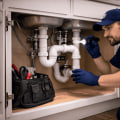
A plumbing inspection is a comprehensive evaluation of a home's plumbing system, designed to identify potential issues that could lead to costly repairs or health hazards. This process involves a thorough examination of pipes, fixtures, and appliances to ensure they are functioning correctly and efficiently. By conducting regular plumbing inspections, homeowners can maintain the integrity of their plumbing systems and prevent minor problems from escalating into major concerns. The primary purpose of a plumbing inspection is to assess the overall condition of the plumbing infrastructure. Inspectors look for signs of leaks, corrosion, and blockages, as well as evaluate the water pressure and drainage systems.
Additionally, they may check for compliance with local building codes and regulations, ensuring that all installations meet safety standards. This proactive approach not only enhances the longevity of the plumbing system but also contributes to the overall safety and comfort of the home. Understanding what a plumbing inspection entails is crucial for homeowners who wish to safeguard their property. It serves as an essential tool in identifying potential water quality issues, such as contamination or improper drainage, which can have serious implications for health and well-being. By prioritizing regular inspections, homeowners can enjoy peace of mind knowing that their plumbing systems are in optimal condition, ultimately protecting their investment and enhancing their quality of life.
The Scope of a Plumbing Inspection
A plumbing inspection is a comprehensive evaluation of a home's plumbing system, designed to identify potential issues and ensure everything is functioning correctly.The scope of a plumbing inspection typically includes several key components that are crucial for maintaining the integrity of your plumbing system.
- Pipe Inspection: Inspectors will examine all visible pipes for signs of leaks, corrosion, or damage. This includes checking both supply and drainage pipes to ensure they are in good condition.
- Fixture Assessment: All plumbing fixtures, such as sinks, toilets, and bathtubs, will be evaluated for proper operation. Inspectors will look for leaks, clogs, and any signs of wear that could lead to future problems.
- Drainage System Evaluation: A thorough inspection of the drainage system is essential. This includes checking the flow of water through drains and ensuring there are no blockages or slow drains that could indicate deeper issues.
- Water Heater Check: The water heater will be inspected for leaks, proper temperature settings, and overall functionality.
This is important for both safety and efficiency.
- Sump Pump Functionality: If applicable, the sump pump will be tested to ensure it operates correctly, especially in areas prone to flooding.
Water Quality Issues: An Overview
Water quality issues can significantly impact the health and safety of your household. Understanding these common water quality problems is essential for maintaining a safe living environment.Here are some prevalent issues that homeowners may encounter:
- Contaminants: Water can be contaminated by various substances, including heavy metals like lead and copper, bacteria, and chemicals from agricultural runoff. These contaminants can pose serious health risks.
- Hard Water: Hard water contains high levels of minerals such as calcium and magnesium. While not harmful to health, it can lead to scale buildup in pipes and appliances, reducing their efficiency.
- Chlorine and Chloramine: Municipal water supplies often use chlorine or chloramine for disinfection. While effective at killing pathogens, these chemicals can affect the taste and odor of water, making it less palatable.
- pH Imbalance: The pH level of water affects its corrosiveness and the solubility of minerals.
Water that is too acidic or too alkaline can lead to plumbing issues and affect the taste of drinking water.
- Microbial Contaminants: Bacteria, viruses, and parasites can enter the water supply through various means, including sewage leaks or animal waste. Regular testing is crucial to ensure that microbial levels are within safe limits.
Can Plumbing Inspections Identify Water Quality Issues?
When considering a plumbing inspection, many homeowners may wonder if these assessments can also address potential water quality issues.While the primary focus of a plumbing inspection is to evaluate the condition of pipes, fixtures, and overall system functionality, it can indeed provide insights into water quality.
What Plumbing Inspections Can Reveal
- Corrosion and Rust: Inspectors often look for signs of corrosion in pipes, which can lead to rust entering the water supply. This not only affects the taste and appearance of water but can also pose health risks.
- Leaks and Contaminants: A thorough inspection may uncover leaks that allow contaminants from soil or other sources to infiltrate the plumbing system, potentially compromising water quality.
- Water Pressure Issues: Abnormal water pressure can indicate underlying problems that might affect water quality, such as blockages or pipe deterioration.
Limitations of Plumbing Inspections
While plumbing inspections can identify some indicators of water safety, they are not comprehensive water quality tests. For example, inspectors typically do not conduct chemical analyses or microbiological testing of the water itself. Therefore, if you suspect serious water quality issues, it is advisable to follow up with a specialized water quality assessment.
Conclusion
In summary, while a plumbing inspection can highlight potential issues that may affect water quality, it should be viewed as a preliminary step.
Homeowners concerned about water safety should consider additional testing to ensure their drinking water meets health standards.
Common Water Quality Tests Conducted During Plumbing Inspections
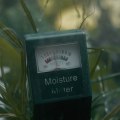
During a plumbing inspection, various tests can be conducted to evaluate the quality of water in your home. These tests are crucial for identifying potential contaminants and ensuring that your water supply is safe for consumption. Here are some common water quality tests that may be included in a plumbing inspection:- pH Level Test: This test measures the acidity or alkalinity of the water. A pH level between 6.5 and 8.5 is generally considered safe for drinking.
Deviations from this range can indicate corrosive water, which may lead to plumbing issues.
- Hardness Test: Water hardness is determined by the concentration of calcium and magnesium ions. Hard water can cause scale buildup in pipes and appliances, leading to reduced efficiency and potential damage.
- Chlorine Test: Many municipal water supplies use chlorine as a disinfectant. Testing for chlorine levels helps ensure that the water is adequately treated without excessive chemical exposure, which can affect taste and health.
- Lead Test: Lead contamination can occur from old pipes or plumbing fixtures. A lead test is essential, especially in older homes, to ensure that drinking water is free from this harmful metal.
- Bacteria Test: Testing for coliform bacteria and E.
coli is vital for assessing microbiological safety. The presence of these bacteria indicates potential contamination from sewage or animal waste.
- Nitrate Test: High levels of nitrates in drinking water can be harmful, particularly to infants. This test checks for agricultural runoff or septic system leaks that may introduce nitrates into the water supply.
Signs You May Need a Plumbing Inspection for Water Quality Issues
Recognizing the signs that indicate a need for a plumbing inspection can help you address potential water quality issues before they escalate.Here are some key indicators to watch for:
- Unusual Taste or Odor: If your tap water has a metallic, chlorine, or sulfur-like taste or smell, it may signal contamination. This is a strong indicator that a plumbing inspection is necessary.
- Discoloration: Water that appears brown, yellow, or cloudy can suggest rust or sediment in your pipes. This discoloration often points to aging plumbing systems that require immediate attention.
- Frequent Plumbing Issues: If you experience recurring clogs, leaks, or low water pressure, these problems may be linked to underlying water quality issues. A thorough plumbing inspection can help identify the root cause.
- Staining on Fixtures: Brown or orange stains on sinks, tubs, and toilets can indicate high levels of iron or other minerals in your water supply.
This not only affects aesthetics but can also impact your health.
- Health Symptoms: Unexplained health issues among family members, such as gastrointestinal problems or skin irritations, may be related to poor water quality. If you suspect this connection, a plumbing inspection is warranted.
- Age of Plumbing System: Older homes with outdated plumbing systems are more susceptible to water quality issues. If your home is over 50 years old and hasn’t had an inspection recently, it’s time to schedule one.
The Importance of Regular Plumbing Inspections for Water Safety
Regular plumbing inspections are essential not only for maintaining the integrity of your plumbing system but also for ensuring the safety of your drinking water.Over time, pipes can corrode, develop leaks, or become clogged with debris, which can compromise both the functionality of your plumbing and the quality of the water that flows through it.One of the primary benefits of scheduling regular plumbing inspections is the early detection of potential issues. By identifying problems such as leaks, blockages, or signs of corrosion early on, homeowners can avoid costly repairs and extensive damage to their property. Additionally, these inspections can help prevent health hazards associated with contaminated water.
Key Benefits of Regular Plumbing Inspections:
- Improved Water Quality: Inspections can identify sources of contamination, such as rust or sediment buildup in pipes, ensuring that your drinking water remains safe.
- Increased System Longevity: Regular maintenance helps extend the life of your plumbing system by addressing minor issues before they escalate into major problems.
- Cost Savings: Preventative measures taken during inspections can save homeowners significant amounts in repair costs and water bills due to leaks.
- Peace of Mind: Knowing that your plumbing system is regularly checked provides reassurance that your home’s water supply is safe and reliable.
FAQs About Plumbing Inspections and Water Quality
When it comes to plumbing inspections, many homeowners have questions about how these assessments relate to water quality.Here are some frequently asked questions that can help clarify this connection.
- Can a plumbing inspection identify water quality issues?
Yes, a thorough plumbing inspection can reveal potential water quality issues. Inspectors often check for signs of corrosion, leaks, and the presence of contaminants in the plumbing system that could affect water quality. - What specific water quality problems can be detected during a plumbing inspection?
Common issues include: - Lead contamination: Older pipes may contain lead, which can leach into drinking water.
- Rust and sediment: Corroded pipes can introduce rust particles into the water supply.
- Bacterial growth: Stagnant water in pipes can lead to bacterial contamination.
- How often should I have a plumbing inspection for water quality?
It is recommended to have a plumbing inspection at least once every few years, especially if you live in an older home or have experienced any plumbing issues. Regular inspections can help catch potential problems before they affect your water quality. - What should I do if my plumbing inspection reveals water quality issues?
If your inspection uncovers any concerns regarding water quality, it’s essential to consult with a licensed plumber or a water quality specialist. They can provide solutions such as replacing old pipes, installing filtration systems, or conducting further testing.
Regular inspections not only ensure the integrity of your plumbing system but also safeguard the quality of your drinking water.
Conclusion: Ensuring Safe Water Through Plumbing Inspections
In conclusion, plumbing inspections play a crucial role in maintaining not only the integrity of your plumbing system but also the quality of the water that flows through it. As we have discussed, these inspections can uncover a variety of issues that may compromise water safety, including leaks, corrosion, and the presence of harmful contaminants.Regular plumbing inspections are essential for:- Identifying potential hazards: Early detection of problems such as lead pipes or bacterial contamination can prevent serious health risks.
- Ensuring compliance: Many local regulations require periodic inspections to ensure that plumbing systems meet safety standards.
- Enhancing water quality: By addressing issues like sediment buildup or pipe deterioration, you can significantly improve the quality of your drinking water.
By prioritizing these inspections, homeowners can enjoy peace of mind knowing that their water supply is safe and clean. Don’t wait for a problem to arise—schedule your plumbing inspection today to ensure that your home’s water quality remains uncompromised.