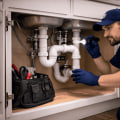
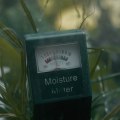
Understanding your plumbing system is essential for any homeowner, especially if you have concerns about its functionality. A typical home plumbing system consists of a network of pipes, fixtures, and appliances that work together to deliver clean water and remove waste. By familiarizing yourself with the basic components, such as pipes, faucets, drains, and water heaters, you can better identify potential issues before they escalate into costly repairs. The plumbing system operates on a simple principle: it relies on gravity and pressure to move water throughout your home. Water enters your home through a main supply line, which branches off into various pipes that lead to sinks, showers, and toilets.
Meanwhile, wastewater is directed away from your home through a separate drainage system. Understanding how these components interact can help you pinpoint areas that may require attention. Moreover, being aware of common plumbing problems—such as leaks, clogs, and low water pressure—can empower you to take proactive measures. For instance, if you notice a sudden drop in water pressure or hear unusual sounds from your pipes, these could be early signs of an underlying issue. By grasping the fundamentals of your plumbing system, you can make informed decisions about whether to seek a full plumbing inspection or address minor concerns on your own.
Common Signs of Plumbing Issues
Being aware of the common signs of plumbing issues can save you from costly repairs and extensive damage to your home.Here are some symptoms to watch for:
- Unusual Sounds: If you hear gurgling, banging, or hissing noises coming from your pipes, it may indicate air trapped in the system or a blockage.
- Water Stains: Discoloration on walls or ceilings can signal leaks. Pay attention to any brown or yellow stains, as they often point to water damage.
- Slow Drains: If multiple drains in your home are slow, it could suggest a clog in the main sewer line rather than isolated issues.
- Low Water Pressure: A sudden drop in water pressure can indicate a leak or blockage somewhere in your plumbing system.
- Foul Odors: Unpleasant smells, especially near drains, may suggest sewage issues or decaying organic matter trapped in the pipes.
- Increased Water Bills: A spike in your water bill without an increase in usage can be a sign of hidden leaks.
Similarly, if you experience slow drains, try using a plunger or drain cleaner before calling a professional. Ultimately, knowing when to worry about plumbing is crucial. If the symptoms persist or worsen despite your efforts, it may be time to consult a plumber for a more thorough evaluation. Early intervention can help maintain the integrity of your plumbing system and protect your home from potential damage.
DIY Checks for Plumbing Concerns
If you have concerns about your home's plumbing system but aren't ready for a full plumbing inspection, there are several DIY checks you can perform to assess the situation. These simple methods can help you identify potential issues before they escalate.- Check for Leaks: Inspect all visible pipes, faucets, and fixtures for any signs of water leakage.
Look for damp spots, water stains, or mold growth, which can indicate a leak.
- Monitor Water Pressure: Use a water pressure gauge to check the pressure in your home. Ideal pressure should be between 40-60 psi. If it's too high or too low, it may indicate underlying plumbing issues.
- Inspect Drains: Run water in sinks and tubs to check for slow drainage. If water backs up or drains slowly, it could signal a clog or blockage in the pipes.
- Examine Toilets: Listen for any hissing sounds when the toilet is not in use, which may indicate a running toilet.
You can also add food coloring to the tank; if it seeps into the bowl without flushing, there’s a leak.
- Check Water Heater: Look for any signs of rust or corrosion on your water heater. Ensure that the temperature is set correctly (around 120°F) to prevent scalding and save energy.
When to Call a Professional Plumber
While it’s understandable to want to avoid a full plumbing inspection, there are specific scenarios where calling a professional plumber is not just advisable but necessary.Recognizing these signs can save you from more significant issues down the line.
- Persistent Leaks: If you notice water pooling under sinks or around fixtures, it’s a clear indication that something is amiss. Even small leaks can lead to extensive water damage and mold growth if left unaddressed.
- Unpleasant Odors: Foul smells emanating from drains or plumbing fixtures can signal a serious problem, such as a sewer line issue or a blockage. These odors are not only unpleasant but can also pose health risks.
- Low Water Pressure: A sudden drop in water pressure can indicate a leak or blockage in your plumbing system. If you experience this, it’s wise to consult a professional rather than attempting to diagnose the issue yourself.
- Slow Drains: If multiple drains in your home are slow, it may suggest a larger issue within your plumbing system.
A plumber can help identify the root cause and prevent further complications.
- Strange Noises: Gurgling sounds or banging pipes can indicate air trapped in the plumbing system or other issues that require professional attention.
Cost Considerations for Plumbing Services
When it comes to addressing concerns about your home's plumbing system, understanding the cost considerations for plumbing services is crucial.Homeowners often find themselves weighing the benefits of a full plumbing inspection against the potential costs involved.
Average Costs of Plumbing Services
- The average cost for a basic plumbing service call can range from $50 to $150, depending on your location and the complexity of the issue.
- If you opt for a full plumbing inspection, expect to pay between $200 and $500, which typically includes a thorough assessment of your plumbing system.
- For specific repairs, such as fixing leaks or replacing fixtures, costs can vary widely. Simple repairs might cost around $150 to $300, while more extensive work could exceed $1,000.
Budgeting for Plumbing Repairs
When budgeting for plumbing repairs, consider the following:
- Emergency Repairs: These can be significantly more expensive due to the urgent nature of the work. Always set aside a portion of your budget for unexpected issues.
- Preventive Maintenance: Investing in regular maintenance can save you money in the long run. Routine checks can help identify potential problems before they escalate into costly repairs.
- DIY vs.
Professional Help: While some minor issues may be manageable on your own, complex problems should always be handled by professionals to avoid further damage and expenses.
Preventative Measures for Plumbing Maintenance
Maintaining your plumbing system is crucial for preventing costly repairs and ensuring the longevity of your home. Here are some effective plumbing maintenance tips that can help you avoid future issues:- Regularly Check for Leaks: Inspect under sinks, around toilets, and near appliances for any signs of water leaks. Even small leaks can lead to significant damage over time.
- Monitor Water Pressure: High water pressure can strain your plumbing system.
Consider using a pressure gauge to ensure it stays within the recommended range (typically between 40-60 psi).
- Clear Drains: Regularly clean your drains to prevent clogs. Use a mixture of baking soda and vinegar followed by hot water to keep them flowing smoothly.
- Inspect Hoses and Connections: Check washing machine hoses and connections for wear and tear. Replace any that show signs of damage to prevent leaks.
- Maintain Your Water Heater: Flush your water heater annually to remove sediment buildup, which can affect efficiency and lifespan.
- Checking the sump pump functionality.
- Inspecting the main sewer line for tree root intrusion.
- Testing all faucets and showerheads for proper flow.
- Reviewing the condition of your plumbing insulation, especially in colder months.
Regular attention to your plumbing system not only saves you money but also enhances the overall comfort and safety of your home.
Frequently Asked Questions About Plumbing Inspections
When it comes to plumbing inspections, many homeowners have questions that can help them understand the process and its importance. Here are some frequently asked questions:- What is a plumbing inspection? A plumbing inspection is a thorough examination of your home's plumbing system, including pipes, fixtures, and appliances, to identify any potential issues or areas of concern.
- How often should I have a plumbing inspection? It is generally recommended to have a plumbing inspection every 2-3 years, but if you notice any signs of trouble, such as leaks or unusual noises, you should consider scheduling one sooner.
- What are the signs that I need a plumbing inspection? Look for signs like slow drains, water stains on walls or ceilings, an increase in your water bill, or any persistent odors. These can indicate underlying plumbing issues that may require attention.
- Can I perform my own plumbing inspection? While you can check for visible signs of trouble, such as leaks or corrosion, a professional plumber has the expertise and tools to conduct a comprehensive inspection that includes hidden areas.
- What should I expect during a plumbing inspection? During an inspection, the plumber will assess your entire plumbing system, checking for leaks, water pressure issues, and the condition of pipes and fixtures. They may also use cameras to inspect hard-to-reach areas.
They can provide targeted advice and may suggest partial inspections focused on areas of concern.Understanding these common questions can help you make informed decisions about your home's plumbing system and ensure it remains in good working order.
Conclusion: Taking Control of Your Plumbing Concerns
In conclusion, addressing your plumbing concerns proactively is essential for maintaining a healthy and functional home. While a plumbing inspection can provide comprehensive insights into your system, there are several steps you can take to manage your worries without committing to a full inspection. First, familiarize yourself with the common signs of plumbing issues. Look for:- Unusual noises from pipes, such as banging or gurgling.
- Water stains on walls or ceilings, which may indicate leaks.
- Low water pressure, which can signal blockages or pipe deterioration.
- Unpleasant odors that could suggest sewer line problems.
- Conduct a visual inspection: Check exposed pipes for signs of corrosion or leaks.
- Monitor your water bill: A sudden increase may indicate hidden leaks.
- Test your water quality: If you suspect issues, consider using a home testing kit.
This way, you can gain peace of mind without the need for a full plumbing inspection.Ultimately, being proactive about your plumbing concerns not only helps prevent costly repairs down the line but also ensures that your home remains a safe and comfortable environment. By staying informed and vigilant, you can take control of your plumbing system and address any issues before they escalate.