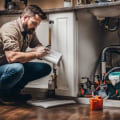
Plumbing inspections are a critical component of maintaining safe and efficient plumbing systems in both residential and commercial properties. A plumbing inspection involves a thorough examination of the plumbing infrastructure, including pipes, fixtures, and drainage systems, to ensure they meet local codes and regulations. This process not only identifies potential issues but also helps prevent costly repairs down the line, making it an essential practice for homeowners and property managers alike. The importance of plumbing inspections cannot be overstated. They serve as a proactive measure to detect leaks, corrosion, and other plumbing failures that could lead to significant water damage or health hazards.
By ensuring that all plumbing components are functioning correctly, inspections contribute to the overall safety and comfort of a building's occupants. Furthermore, regular inspections can enhance property value by demonstrating compliance with safety standards and reducing the risk of future plumbing emergencies. As we delve deeper into the qualifications necessary for a plumbing inspector, it is crucial to understand that not all inspectors are created equal. Their expertise and certifications play a vital role in the reliability of the inspection process. Knowing what to look for in a qualified inspector will empower you to make informed decisions regarding your plumbing system's maintenance and safety.
Key Certifications for Plumbing Inspectors
When seeking a qualified plumbing inspector, it is crucial to consider their certifications and licenses.These credentials not only demonstrate the inspector's knowledge and expertise but also ensure that they adhere to industry standards and regulations. Here are some key certifications to look for:
- International Association of Plumbing and Mechanical Officials (IAPMO) : This organization offers the Certified Plumbing Inspector (CPI) credential, which is recognized nationally. Inspectors with this certification have proven their understanding of plumbing codes and inspection processes.
- National Inspection Testing and Certification Corporation (NITC) : The NITC provides various certifications, including the Plumbing Inspector Certification. This certification focuses on the inspector's ability to evaluate plumbing systems effectively.
- American Society of Home Inspectors (ASHI) : While primarily focused on home inspections, ASHI offers training that includes plumbing inspection.
Inspectors certified by ASHI are trained in various aspects of home systems, including plumbing.
- State-Level Certifications : Many states have their own licensing requirements for plumbing inspectors. It is essential to verify that the inspector holds a valid state license, which often requires passing an exam and completing continuing education courses.
Licenses Required for Plumbing Inspectors
When considering a plumbing inspector, it is crucial to understand the licensing requirements that vary significantly from state to state. Each state has its own set of regulations governing who can perform plumbing inspections, and these regulations are designed to ensure that inspectors have the necessary knowledge and skills to assess plumbing systems effectively.In general, most states require plumbing inspectors to hold a valid state plumbing license.This license typically involves a combination of education, experience, and passing a comprehensive examination. Here are some common requirements:
- Education: Many states require inspectors to have a high school diploma or equivalent, along with specialized training in plumbing systems.
- Experience: A certain number of years working in the plumbing field is often required. This experience can include roles such as a plumber or plumbing contractor.
- Examination: Prospective inspectors usually must pass a state-administered exam that tests their knowledge of plumbing codes, safety regulations, and inspection procedures.
These certifications often require ongoing education to maintain, ensuring that inspectors stay current with industry standards.It is important to note that operating as a plumbing inspector without the proper licensing can lead to serious legal consequences, including fines and the inability to perform inspections legally. Homeowners and businesses should always verify an inspector's credentials before hiring them to ensure compliance with local laws and regulations.In summary, when looking for a plumbing inspector, always check for their state plumbing license, relevant experience, and any additional certifications they may hold. This diligence will help ensure that you receive a thorough and professional inspection of your plumbing systems.
Additional Qualifications and Skills for Plumbing Inspectors
When considering a plumbing inspector, it’s essential to look beyond basic certifications and licenses. Several additional qualifications and skills can significantly enhance an inspector's effectiveness in ensuring compliance with plumbing codes and standards.Experience
Experience plays a crucial role in the competency of a plumbing inspector.Inspectors with hands-on experience in plumbing installation and repair are often better equipped to identify potential issues. This practical knowledge allows them to understand the nuances of various plumbing systems, making their inspections more thorough and insightful.
Training Programs
Many states require plumbing inspectors to complete specific training programs that cover local codes, safety regulations, and inspection techniques. These programs often include:- Code Compliance: Understanding local, state, and national plumbing codes is vital for effective inspections.
- Safety Protocols: Training in safety measures ensures that inspectors can conduct their work without risking their health or safety.
- Technical Skills: Courses that focus on the latest plumbing technologies and systems can keep inspectors up-to-date with industry advancements.
Soft Skills
In addition to technical knowledge, soft skills are equally important for plumbing inspectors. Effective communication skills are necessary for explaining findings to contractors and homeowners clearly.Furthermore, strong analytical skills enable inspectors to assess complex situations and make informed decisions.
Attention to detail
is another critical skill; even minor oversights can lead to significant issues down the line.In summary, while certifications and licenses are fundamental for plumbing inspectors, additional qualifications such as relevant experience, specialized training programs, and essential soft skills greatly enhance their ability to perform thorough inspections. By prioritizing these attributes, you can ensure that your plumbing inspection is conducted by a qualified professional who is well-equipped to safeguard your property’s plumbing integrity.Frequently Asked Questions about Plumbing Inspector Certifications and Licenses
When considering a plumbing inspector, it's essential to understand the various certifications and licenses that signify their qualifications. Here are some frequently asked questions regarding these credentials:- What certifications should a plumbing inspector have?
A reputable plumbing inspector should hold certifications from recognized organizations such as the International Association of Plumbing and Mechanical Officials (IAPMO) or the National Inspection Testing Certification Corporation (NITC).These certifications ensure that the inspector is knowledgeable about current plumbing codes and standards.
- Are state licenses required for plumbing inspectors?
Yes, most states require plumbing inspectors to be licensed. The specific requirements can vary by state, so it’s important to check local regulations. A valid state license indicates that the inspector has met the necessary educational and experience requirements. - How can I verify a plumbing inspector's credentials?
You can verify an inspector's credentials by checking with the issuing organization or state licensing board. Many organizations provide online databases where you can confirm an inspector's certification status. - What additional training might a plumbing inspector have?
In addition to basic certifications, many inspectors pursue further training in specialized areas such as backflow prevention, green plumbing, or energy efficiency.This additional training can enhance their expertise and ability to conduct thorough inspections.
- Is experience important for a plumbing inspector?
Absolutely. While certifications are crucial, practical experience is equally important. An inspector with several years of hands-on experience is likely to be more adept at identifying potential issues during a plumbing inspection.
How to Verify a Plumbing Inspector's Credentials
When hiring a plumbing inspector, it’s crucial to ensure that they possess the necessary qualifications and certifications. Here are some steps to help you verify plumbing inspector credentials effectively:- Check State Licensing Requirements: Each state has its own regulations regarding plumbing inspectors.
Start by visiting your state’s licensing board website to understand the specific requirements for plumbing inspectors in your area.
- Request Documentation: Ask the inspector for copies of their licenses and certifications. A qualified inspector should be willing to provide proof of their credentials, including any relevant training or continuing education courses they have completed.
- Look for National Certifications: In addition to state licenses, many plumbing inspectors hold national certifications from organizations such as the International Association of Plumbing and Mechanical Officials (IAPMO) or the National Inspection Testing Certification (NITC). These certifications indicate a higher level of expertise and adherence to industry standards.
- Verify with Professional Associations: Check if the inspector is a member of professional associations like the American Society of Home Inspectors (ASHI). Membership in these organizations often requires adherence to strict ethical guidelines and ongoing education.
- Read Reviews and Testimonials: Look for online reviews or ask for references from previous clients.
Feedback from others can provide insight into the inspector’s reliability and professionalism.
Conclusion: Ensuring Quality in Plumbing Inspections
In conclusion, ensuring quality in plumbing inspections is paramount for maintaining the safety and functionality of your plumbing systems. As we have discussed, hiring a qualified plumbing inspector with the appropriate certifications and licenses can make a significant difference in the thoroughness and reliability of the inspection process. When selecting a plumbing inspector, it is essential to look for specific credentials that indicate their expertise and adherence to industry standards. Key certifications to consider include:- Certified Plumbing Inspector (CPI): This certification demonstrates that the inspector has undergone rigorous training and has a comprehensive understanding of plumbing codes and standards.
- Licensed Master Plumber: A master plumber has extensive experience and knowledge, ensuring that they can identify potential issues that may not be apparent to less experienced inspectors.
- State Licenses: Many states require plumbing inspectors to hold a valid state license, which ensures they are familiar with local codes and regulations.
The plumbing industry is constantly evolving, with new technologies and regulations emerging regularly. An inspector who stays updated through continuing education is more likely to provide a thorough and accurate assessment. Ultimately, investing time in finding a qualified plumbing inspector will pay off in the long run. Not only will it help you avoid costly repairs due to overlooked issues, but it will also give you peace of mind knowing that your plumbing system is in good hands. Remember, when it comes to plumbing inspections, quality should always be your top priority.