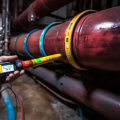
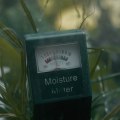
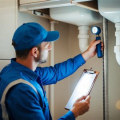
Plumbing inspection is a critical process that ensures the safety, functionality, and compliance of plumbing systems within residential and commercial properties. This comprehensive evaluation involves examining various components, including pipes, fixtures, and drainage systems, to identify potential issues that could lead to costly repairs or hazardous situations. By conducting thorough plumbing inspections, property owners can safeguard their investments and maintain a healthy living environment. The importance of plumbing inspection cannot be overstated. It serves as a proactive measure to detect problems before they escalate into major concerns.
For instance, undetected leaks can cause significant water damage, mold growth, and structural issues over time. Additionally, plumbing inspections are often required by local building codes and regulations, ensuring that all systems meet safety standards. This not only protects the occupants but also enhances the overall value of the property. In essence, plumbing inspection is an essential practice that plays a vital role in maintaining the integrity of plumbing systems. It provides peace of mind for homeowners and business operators alike, knowing that their plumbing infrastructure is functioning correctly and safely.
As we delve deeper into this topic, it becomes clear that the qualifications of a professional plumbing inspector are paramount in delivering reliable and accurate assessments.
Educational Background Required for Plumbing Inspectors
To become a successful plumbing inspector, a solid educational background is essential. This foundation not only equips inspectors with the necessary knowledge of plumbing systems but also ensures they are well-versed in local codes and regulations.1.High School Diploma or GED
- The first step towards becoming a plumbing inspector is obtaining a high school diploma or GED. This basic education is crucial as it lays the groundwork for further studies.
2.Relevant Associate or Bachelor’s Degree
- Many aspiring plumbing inspectors choose to pursue an associate degree in plumbing technology or a related field. This program typically covers essential topics such as plumbing design, installation, and maintenance.
- A bachelor’s degree in construction management or engineering can also be beneficial, providing a broader understanding of building systems and project management.
3.Specialized Training Programs
- In addition to formal degrees, specialized training programs focusing on plumbing inspection are highly recommended.
These programs often include hands-on training and cover critical areas such as safety standards, inspection techniques, and code compliance.
4.Certifications
- Obtaining certifications from recognized organizations, such as the International Association of Plumbing and Mechanical Officials (IAPMO) or the National Inspection Testing Certification Corporation (NITC), can enhance an inspector's credentials and job prospects.
- These certifications often require passing exams that test knowledge of plumbing codes, inspection procedures, and safety regulations.
5.Continuing Education
- The field of plumbing is constantly evolving with new technologies and regulations. Therefore, ongoing education through workshops, seminars, and courses is vital for plumbing inspectors to stay current with industry standards.
Licensing and Certification for Plumbing Inspectors
To ensure the safety and quality of plumbing systems, plumbing inspectors must meet specific licensing and certification requirements. These credentials not only validate an inspector's expertise but also enhance their credibility in the field.Licensing Requirements
- Most states require plumbing inspectors to hold a valid license, which typically involves passing a comprehensive examination that covers local plumbing codes, regulations, and best practices.
- Some states may also mandate a certain number of hours of practical experience in plumbing or a related field before granting a license.
- It is essential for inspectors to stay updated on changes in plumbing codes and regulations, as these can vary significantly from one jurisdiction to another.
Certification for Plumbing Inspectors
- In addition to state licensing, many plumbing inspectors pursue certifications from recognized organizations such as the International Association of Plumbing and Mechanical Officials (IAPMO) or the National Association of Plumbing Inspectors (NAPI).
- These certifications often require passing specialized exams and may involve continuing education to maintain the credential.
- Certifications can demonstrate an inspector's commitment to professional development and adherence to industry standards.
How to Become a Licensed Plumbing Inspector
- Education: Start with a high school diploma or equivalent. Many inspectors benefit from further education in plumbing technology or engineering.
- Experience: Gain hands-on experience in plumbing through apprenticeships or working under licensed plumbers.
- Examination: Prepare for and pass the required licensing exam in your state.
- Certification: Consider obtaining additional certifications to enhance your qualifications and job prospects.
By meeting these licensing and certification requirements, inspectors can provide valuable services that protect public health and safety.
Experience and Training in Plumbing Inspection
When it comes to plumbing inspection, having the right experience and training is crucial for ensuring that inspectors can accurately assess plumbing systems. This field requires a blend of theoretical knowledge and practical skills, which can be acquired through various means.On-the-Job Training
Many aspiring plumbing inspectors begin their careers as apprentices or trainees under the guidance of seasoned professionals. This on-the-job training is invaluable, as it allows them to learn the intricacies of plumbing systems in real-world settings. During this period, they gain hands-on experience in identifying potential issues, understanding local codes, and applying best practices in plumbing inspection.
Internships and Apprenticeships
Internships and apprenticeships are essential components of a comprehensive training program for plumbing inspectors.
These opportunities not only provide practical experience but also help build a network within the industry. Through these programs, trainees can:
- Work alongside experienced inspectors to learn inspection techniques.
- Gain exposure to various types of plumbing systems and materials.
- Understand the importance of safety regulations and compliance.
Practical Experience
Practical experience in plumbing inspection goes beyond just observing; it involves actively participating in inspections, documenting findings, and making recommendations. This hands-on approach helps inspectors develop critical thinking skills necessary for evaluating complex plumbing issues. Furthermore, practical experience allows them to stay updated on the latest technologies and methods used in the field.In conclusion, a combination of formal education, on-the-job training, internships, and practical experience is essential for anyone looking to become a qualified plumbing inspector.
This multifaceted approach ensures that inspectors are well-equipped to handle the challenges they may face in their careers.
Key Skills Required for Plumbing Inspectors
To excel as a plumbing inspector, several key skills are essential. These competencies not only enhance the effectiveness of inspections but also ensure compliance with safety regulations and building codes.- Attention to Detail: A plumbing inspector must possess a keen eye for detail. This skill is crucial for identifying potential issues that may not be immediately visible. Inspectors need to thoroughly examine plumbing systems, including pipes, fixtures, and drainage systems, to ensure everything is functioning correctly.
- Analytical Thinking: The ability to analyze complex systems and troubleshoot problems is vital.
Plumbing inspectors often encounter unique challenges that require them to think critically and develop effective solutions. This skill helps in assessing the condition of plumbing installations and determining necessary repairs or upgrades.
- Communication Skills: Effective communication is essential for plumbing inspectors. They must clearly convey their findings to clients, contractors, and other stakeholders. This includes writing detailed reports and explaining technical issues in a way that is easily understood by non-professionals.
- Technical Knowledge: A strong foundation in plumbing systems, codes, and regulations is necessary.
Inspectors should stay updated on industry standards and advancements in plumbing technology to provide accurate assessments.
- Problem-Solving Skills: Plumbing inspectors often face unexpected challenges during inspections. The ability to quickly devise solutions is crucial for maintaining project timelines and ensuring safety.
Continuing Education and Professional Development
In the ever-evolving field of plumbing inspection, staying current with industry standards and regulations is crucial for professionals.Continuing education
and professional development play a significant role in ensuring that plumbing inspectors are equipped with the latest knowledge and skills necessary to perform their duties effectively.Importance of Continuing Education
- Regulatory Compliance: Plumbing codes and regulations frequently change, and ongoing education helps inspectors stay compliant with local, state, and federal laws.
- Technological Advancements: New technologies in plumbing systems require inspectors to understand modern tools and techniques, enhancing their inspection capabilities.
- Safety Standards: Continuous training ensures that inspectors are aware of the latest safety protocols, reducing risks during inspections.
Professional Development Opportunities
- Workshops and Seminars: Many organizations offer workshops that focus on specific areas of plumbing inspection, providing hands-on experience and expert insights.
- Certification Programs: Pursuing additional certifications can enhance an inspector's credentials, making them more competitive in the job market.
- Online Courses: With the rise of digital learning platforms, inspectors can access a variety of courses that fit their schedules, covering topics from advanced plumbing systems to regulatory updates.
Ongoing Training for Inspectors
Regular training sessions not only improve an inspector's technical skills but also foster a culture of continuous improvement within the industry.
Networking with peers during these training events can lead to valuable exchanges of knowledge and best practices. By committing to ongoing education, plumbing inspectors can ensure they remain at the forefront of their profession, ultimately benefiting both themselves and the communities they serve.
Common Challenges Faced by Plumbing Inspectors
Plumbing inspectors face a variety of challenges that can complicate their work and impact the quality of their inspections. Understanding these challenges is crucial for anyone considering a career in plumbing inspection.- Complex Systems: Modern plumbing systems are intricate, often involving multiple components such as pipes, fixtures, and appliances. Inspectors must have a thorough understanding of how these systems interact to identify potential issues.
- Regulatory Compliance: Plumbing codes and regulations can vary significantly by location.
Inspectors must stay updated on local laws and ensure that all installations meet these standards, which can be a daunting task.
- Access Issues: Inspectors often encounter difficulties accessing certain areas of a property, such as crawl spaces or attics. This can hinder their ability to conduct a comprehensive inspection.
- Time Constraints: Many inspections are time-sensitive, especially in real estate transactions. Inspectors must balance thoroughness with efficiency, which can lead to stress and oversight.
- Communication Barriers: Inspectors frequently interact with homeowners, contractors, and real estate agents. Miscommunication can lead to misunderstandings about the scope of work or the findings of an inspection.
Qualifications such as formal training in plumbing systems, certification from recognized organizations, and hands-on experience are essential. These credentials not only enhance an inspector's ability to identify issues but also equip them with the tools to communicate findings clearly and effectively.In conclusion, while the role of a plumbing inspector is fraught with challenges, the right qualifications can significantly mitigate these obstacles. By being well-prepared and knowledgeable, inspectors can ensure that they provide valuable insights during plumbing inspections.
Frequently Asked Questions about Plumbing Inspection Qualifications
When considering a career as a plumbing inspector, many individuals have questions regarding the necessary qualifications. Here are some of the most frequently asked questions:- What education is required to become a plumbing inspector?
Most plumbing inspectors are required to have a high school diploma or equivalent.However, many employers prefer candidates with an associate degree in plumbing technology or a related field. This educational background provides essential knowledge about plumbing systems and codes.
- Is certification necessary for plumbing inspectors?
Yes, certification is often required or highly recommended. Various organizations, such as the International Association of Plumbing and Mechanical Officials (IAPMO) and the National Inspection Testing Certification Corporation (NITC), offer certification programs that validate an inspector's knowledge and skills in plumbing inspection. - What experience is needed to become a plumbing inspector?
Typically, candidates should have several years of experience in the plumbing industry, which may include working as a plumber or in a related trade. This hands-on experience is crucial for understanding the complexities of plumbing systems. - Are there continuing education requirements for plumbing inspectors?
Yes, many states require plumbing inspectors to complete continuing education courses to maintain their certification.These courses help inspectors stay updated on the latest codes, technologies, and best practices in the field.
- What skills are important for a plumbing inspector?
In addition to technical knowledge, successful plumbing inspectors should possess strong analytical skills, attention to detail, and effective communication abilities. These skills are essential for accurately assessing plumbing systems and conveying findings to clients or contractors.
Conclusion: The Path to Becoming a Qualified Plumbing Inspector
In conclusion, the journey to becoming a qualified plumbing inspector is both rigorous and essential for maintaining safety and compliance in plumbing systems. Throughout this article, we have highlighted several key qualifications that aspiring inspectors must possess. First and foremost, a solid educational background in plumbing or a related field is crucial.Many inspectors start with a high school diploma followed by specialized training or an associate degree in plumbing technology. This foundational knowledge equips them with the necessary skills to understand complex plumbing systems. Additionally, obtaining relevant certifications is vital. Certifications from recognized organizations, such as the International Association of Plumbing and Mechanical Officials (IAPMO) or the National Inspection Testing and Certification Corporation (NITC), not only validate an inspector's expertise but also enhance their credibility in the field. Experience plays a significant role as well. Many successful plumbing inspectors have spent years working in the plumbing industry, gaining hands-on experience that is invaluable when conducting inspections.
This practical knowledge allows them to identify potential issues that may not be immediately apparent. Moreover, staying updated with local codes and regulations is essential for any professional inspector. Plumbing codes can vary significantly by region, and being well-versed in these regulations ensures that inspections are thorough and compliant. Finally, strong communication skills are imperative. A qualified plumbing inspector must effectively convey findings to clients, contractors, and regulatory bodies. This ability not only fosters trust but also ensures that necessary actions are taken to address any identified issues. In summary, the path to becoming a qualified plumbing inspector involves a combination of education, certification, experience, knowledge of regulations, and communication skills.
These qualifications are not just formalities; they are critical components that contribute to effective plumbing inspections, ultimately safeguarding public health and ensuring the integrity of plumbing systems.