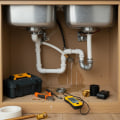
When it comes to maintaining the integrity of a home, especially older ones, plumbing inspections play a crucial role. A plumbing inspection is a thorough examination of a home's plumbing system, which includes pipes, fixtures, and appliances. This process is designed to identify any potential issues that could lead to costly repairs or health hazards down the line. For older homes, where plumbing systems may have been installed decades ago, the need for such inspections becomes even more critical. The plumbing inspection process typically involves a licensed plumber assessing various components of the plumbing system.
This includes checking for leaks, evaluating water pressure, inspecting drainage systems, and ensuring that all fixtures are functioning properly. The inspector may also use advanced tools like video cameras to examine pipes that are not easily accessible. By understanding the current state of the plumbing system, homeowners can make informed decisions about necessary repairs or upgrades. So why do plumbing inspections matter, particularly for older homes? Over time, pipes can corrode, joints can weaken, and outdated materials can pose serious risks. A proactive inspection can uncover hidden problems before they escalate into major issues, saving homeowners both time and money.
Additionally, knowing the condition of your plumbing system can enhance the overall safety and comfort of your living environment. In essence, a plumbing inspection is not just a routine check; it’s an essential step in preserving the value and functionality of an older home.
Why Older Homes Require Plumbing Inspections
Older homes often come with a unique set of challenges, particularly when it comes to their plumbing systems. Over time, pipes can corrode, joints can weaken, and materials can degrade, leading to a variety of plumbing issues that may not be immediately visible. This is why a plumbing inspection is essential for homeowners considering the purchase of an older property or those who have lived in their homes for many years.Common Plumbing Problems in Older Homes
- Corroded Pipes: Many older homes still have galvanized steel or cast iron pipes, which are prone to rust and corrosion.
This can lead to leaks and reduced water pressure.
- Leaky Faucets and Fixtures: Over time, seals and washers wear out, causing leaks that can waste water and increase utility bills.
- Clogged Drains: Aging plumbing systems often accumulate debris and buildup, leading to frequent clogs that require professional attention.
- Sewer Line Issues: Older sewer lines may be made from materials that are no longer up to code, making them susceptible to cracks and blockages.
The Risks of Neglecting Inspections
Failing to conduct a thorough plumbing inspection can result in significant risks. Undetected leaks can lead to water damage, mold growth, and structural issues within the home. Additionally, plumbing failures can disrupt daily life and incur costly repairs. By investing in a plumbing inspection, homeowners can identify potential problems early on, allowing for timely repairs that can save both money and stress in the long run.In summary, the aging infrastructure of older homes makes them particularly vulnerable to various plumbing issues.
Regular inspections are crucial for maintaining the integrity of these systems and ensuring a safe living environment.
Signs That Indicate a Plumbing Inspection is Needed
Homeowners should be vigilant about the condition of their plumbing systems, especially in older homes. Recognizing the signs of plumbing issues can save you from costly repairs and extensive damage. Here are some key indicators that a plumbing inspection is necessary:- Unexplained Water Bills: If you notice a sudden spike in your water bill without any changes in usage, it could indicate a hidden leak.
- Low Water Pressure: A significant drop in water pressure can signal a blockage or leak in your plumbing system.
- Slow Drains: If multiple drains are slow to empty, it may suggest a clog in the main sewer line.
- Mold or Mildew: The presence of mold or mildew around sinks, tubs, or walls can indicate moisture problems due to leaks.
- Strange Noises: Gurgling sounds from pipes or banging noises when water is turned on can be signs of air trapped in the plumbing system.
- Water Stains: Discoloration on walls or ceilings often points to leaks that need immediate attention.
The Plumbing Inspection Process Explained
A plumbing inspection is a crucial step in maintaining the integrity of older homes.Understanding the process can help homeowners prepare and know what to expect. Here’s a detailed overview of the plumbing inspection process, including a checklist and the steps involved.
What to Expect During a Plumbing Inspection
During a plumbing inspection, a licensed plumber will evaluate various components of your plumbing system. Homeowners can expect the following:- Visual Inspection: The plumber will start with a visual assessment of visible pipes, fixtures, and appliances.
- Water Pressure Test: They will check the water pressure to ensure it meets standard levels.
- Leak Detection: The inspector will look for signs of leaks in pipes, faucets, and toilets.
- Drainage Assessment: A thorough examination of drainage systems will be conducted to identify any blockages or slow drains.
- Fixture Evaluation: All plumbing fixtures will be tested for functionality and efficiency.
Plumbing Inspection Checklist
A comprehensive plumbing inspection checklist typically includes:- Pipes: Check for corrosion, rust, or damage.
- Water Heater: Inspect for leaks and proper functioning.
- Sewage System: Evaluate the condition of sewer lines and septic systems.
- Fixtures: Ensure all faucets, toilets, and showers are working correctly.
- Ventilation: Check that vents are clear and functioning to prevent gas buildup.
The Steps Involved in a Plumbing Inspection
The typical steps in a plumbing inspection include:- Scheduling the Inspection: Contact a licensed plumber to set up an appointment.
- Preparation: Clear access to plumbing areas such as under sinks and around water heaters.
- The Inspection: The plumber conducts the inspection using the checklist mentioned above.
- Report Generation: After the inspection, you will receive a detailed report outlining any issues found and recommendations for repairs or maintenance.
Cost of Plumbing Inspections for Older Homes
When considering a plumbing inspection for older homes, understanding the associated costs is crucial. The price of a plumbing inspection can vary significantly based on several factors.Factors Affecting Inspection Price
- Location: The cost of living in your area can greatly influence inspection fees.
Urban areas typically have higher rates compared to rural locations.
- Home Size: Larger homes may require more time and effort to inspect, leading to increased costs.
- Complexity of Plumbing Systems: Older homes often have outdated or complex plumbing systems that may require more thorough inspections, which can raise the price.
- Inspection Type: A standard inspection may cost less than a comprehensive assessment that includes advanced technologies like video camera inspections.
Budgeting for Plumbing Inspections
When budgeting for a plumbing inspection, it’s wise to consider not just the inspection fee but also potential follow-up costs. If issues are discovered during the inspection, repairs may be necessary, which can add to your overall expenses.Here are some tips for effective budgeting:
- Get Multiple Quotes: Contact several plumbing inspectors to compare prices and services offered.
- Ask About Packages: Some companies offer bundled services that include inspections and minor repairs at a discounted rate.
- Set Aside a Contingency Fund: Allocate an additional 10-20% of your budget for unexpected repairs that may arise from the inspection findings.
Benefits of Regular Plumbing Inspections
Conducting regular plumbing inspections offers numerous benefits that can significantly impact the longevity and efficiency of your home’s plumbing system. One of the primary advantages is the early detection of potential issues. By identifying problems such as leaks, corrosion, or blockages before they escalate, homeowners can avoid costly repairs down the line.Moreover, regular inspections can lead to substantial long-term savings. For instance, a small leak that goes unnoticed can waste thousands of gallons of water over time, leading to higher utility bills.By addressing these issues promptly, homeowners not only save money on their water bills but also reduce the risk of extensive damage that could require expensive repairs.
Preventing Major Issues
Another significant benefit of routine plumbing inspections is the prevention of major plumbing emergencies. A burst pipe or a backed-up sewer line can cause chaos in your home, leading to not only repair costs but also potential damage to your property and belongings. Regular inspections help ensure that your plumbing system is functioning correctly and can handle daily demands.Improved Home Value
For those considering selling their homes, having a history of regular plumbing inspections can enhance property value. Prospective buyers are often more inclined to purchase a home with a well-maintained plumbing system, knowing that they are less likely to face unexpected plumbing issues shortly after moving in.In conclusion, investing in regular plumbing inspections is a proactive approach that pays off in multiple ways.From saving money on repairs and utility bills to preventing major plumbing disasters and increasing home value, the advantages are clear. Homeowners should prioritize these inspections as part of their routine maintenance to ensure a safe and efficient plumbing system.
Frequently Asked Questions About Plumbing Inspections
When it comes to plumbing inspections, many homeowners have questions and misconceptions. Here are some of the most frequently asked questions:- What is a plumbing inspection? A plumbing inspection is a thorough examination of a home's plumbing system, including pipes, fixtures, and appliances. It helps identify potential issues before they become major problems.
- Why is a plumbing inspection necessary for older homes? Older homes often have outdated plumbing systems that may not meet current codes or standards.
A plumbing inspection can uncover hidden issues such as leaks, corrosion, or improper installations that could lead to costly repairs.
- How often should I have a plumbing inspection? It is generally recommended to have a plumbing inspection every 3 to 5 years, but if you live in an older home or notice any signs of plumbing issues, it’s wise to schedule one sooner.
- Are plumbing inspections expensive? The cost of a plumbing inspection can vary based on location and the size of the home. However, the investment is often worth it when considering the potential savings from preventing major repairs.
- Can I perform my own plumbing inspection? While homeowners can check for visible signs of trouble, such as leaks or water stains, a professional plumber has the expertise and tools to conduct a comprehensive inspection.
Myths about Plumbing Inspections:
- Myth 1: Plumbing inspections are only necessary when buying or selling a home. This is false; regular inspections can help maintain your home's plumbing system.
- Myth 2: All plumbing problems are visible. Many issues, like pipe corrosion or blockages, can be hidden from view and require professional assessment.
- Myth 3: Plumbing inspections are a waste of money.
In reality, they can save you money by identifying problems early and preventing costly repairs down the line.
Conclusion: The Necessity of Plumbing Inspections for Older Homes
In conclusion, the necessity of plumbing inspections for older homes cannot be overstated. As we have explored, older properties often come with a unique set of challenges that can significantly impact their plumbing systems. From outdated materials to potential leaks and blockages, the risks associated with neglecting a thorough inspection are substantial.Homeowners should consider the following key points:- Age of the Plumbing System: Many older homes may still have original plumbing, which can be prone to deterioration and failure.
- Hidden Issues: Problems such as corrosion, tree root intrusion, and pipe misalignment may not be visible without a professional inspection.
- Preventive Maintenance: Regular inspections can help identify issues before they escalate into costly repairs, saving homeowners time and money in the long run.
- Insurance Benefits: Some insurance companies may require proof of a plumbing inspection before providing coverage for older homes.
Doing so not only ensures the safety and functionality of your plumbing system but also provides peace of mind for you and your family.Don’t wait for a minor issue to turn into a major headache; take action today to protect your investment and ensure the longevity of your home’s plumbing system.