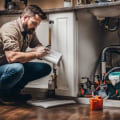
A plumbing inspection is a critical process that evaluates the condition of a home's plumbing system. This thorough examination is designed to identify potential issues that could lead to costly repairs or health hazards if left unaddressed. Homeowners often overlook the importance of regular plumbing inspections, assuming that their systems are functioning properly. However, just like any other part of a home, plumbing systems require routine checks to ensure they are in optimal condition. The significance of a plumbing inspection cannot be overstated.
It serves as a proactive measure to catch problems early, such as leaks, corrosion, or blockages, before they escalate into major issues. By identifying these concerns during an inspection, homeowners can save money and avoid the stress associated with emergency repairs. Furthermore, a well-maintained plumbing system contributes to the overall health and safety of the household, preventing water damage and mold growth that can arise from undetected leaks. In this article, we will delve deeper into the common issues found during plumbing inspections. Understanding these potential problems not only prepares homeowners for what to expect but also emphasizes the necessity of scheduling regular inspections as part of home maintenance.
Whether you are a new homeowner or have lived in your house for years, being informed about your plumbing system is essential for maintaining its integrity and functionality.
Leaking Pipes and Fixtures
During a plumbing inspection, one of the most common issues that can be identified is leaking pipes and fixtures. These leaks can occur in various locations throughout a home, including under sinks, behind walls, and even in the basement. Understanding the causes and potential consequences of these leaks is crucial for homeowners.Leaking pipes
can stem from several factors:- Corrosion: Over time, pipes can corrode due to age or exposure to harsh chemicals, leading to weak spots that may develop leaks.
- High water pressure: Excessively high water pressure can stress pipes and joints, causing them to crack or burst.
- Improper installation: If pipes are not installed correctly, they may not fit together properly, resulting in leaks.
- Temperature changes: Fluctuations in temperature can cause pipes to expand and contract, which may lead to leaks over time.
- Water damage: Leaks can lead to significant water damage in your home, affecting walls, floors, and personal belongings.
- Mold growth: Moist environments created by leaks are ideal for mold growth, which can pose health risks to occupants.
- Increased utility bills: Even small leaks can result in higher water bills, as wasted water accumulates over time.
Clogged Drains and Sewers
During a plumbing inspection, one of the most common issues identified is clogged drains and sewer lines.These blockages can lead to significant problems if not addressed promptly, including backups, overflows, and even damage to the plumbing system.
Clogged drains
often occur due to a buildup of debris, grease, hair, soap scum, and other materials that accumulate over time. In kitchens, for instance, food particles and cooking oils can create stubborn clogs. In bathrooms, hair and personal care products are frequent culprits. Identifying these blockages during an inspection is crucial to prevent more severe plumbing issues.Sewer issues
can be particularly problematic as they may indicate deeper problems within the plumbing system.During a plumbing inspection, professionals often use video camera technology to inspect sewer lines for signs of damage or blockages. Common causes of sewer line clogs include:
- Tree roots: Roots can infiltrate sewer lines, causing blockages and potential breaks.
- Old pipes: Deteriorating pipes may collapse or corrode, leading to obstructions.
- Foreign objects: Items such as wipes, feminine hygiene products, or toys can cause significant blockages.
Understanding the causes and implications of these clogs is vital for homeowners looking to maintain their plumbing systems effectively.
Corroded Pipes and Fixtures
Corrosion is a significant issue that can severely impact the integrity of plumbing systems. It occurs when metal pipes and fixtures react with water and other elements, leading to deterioration over time. This process can result in leaks, reduced water pressure, and even contamination of drinking water.During a plumbing inspection, several signs can indicate the presence of corroded pipes. Homeowners should be vigilant for:- Discoloration of water: If the water appears rusty or has a metallic taste, it may be a sign of corrosion.
- Stains on walls or ceilings: Water stains can indicate leaks from corroded pipes.
- Low water pressure: Corrosion can restrict water flow, leading to decreased pressure.
- Visible rust: Check exposed pipes for any signs of rust or flaking.
Corroded pipes can lead to:
- Health risks: Contaminated water can pose serious health hazards to residents.
- Increased repair costs: Addressing leaks and replacing corroded sections can be expensive if not caught early.
- System failure: In severe cases, extensive corrosion can lead to complete plumbing system failure, necessitating a full replacement.
Water Pressure Issues
During a plumbing inspection, evaluating water pressure is crucial for identifying potential issues that can affect the overall functionality of a home’s plumbing system. Water pressure problems can manifest in two primary forms: low water pressure and high water pressure, both of which can lead to significant inconveniences and costly repairs if not addressed promptly.Low Water Pressure
- Causes: Low water pressure can be caused by various factors, including clogged pipes, leaks, or issues with the municipal water supply. Over time, mineral deposits can accumulate in pipes, restricting water flow.
- Impact: Homeowners may experience weak showers, slow-filling bathtubs, and difficulty operating appliances like dishwashers and washing machines.
This can lead to frustration and inefficiency in daily tasks.
High Water Pressure
- Causes: High water pressure often results from a malfunctioning pressure regulator or an issue with the municipal supply. It can also occur if the plumbing system is improperly designed.
- Impact: Excessively high water pressure can cause stress on pipes and fixtures, leading to leaks, burst pipes, and premature wear on appliances. This not only increases repair costs but can also result in water damage within the home.
Addressing water pressure problems early on is essential for maintaining a healthy plumbing system and ensuring that all fixtures operate efficiently.
Backflow Problems
Backflow is a plumbing issue that occurs when water flows in the opposite direction from its intended path, potentially allowing contaminants to enter the clean water supply. This phenomenon can happen due to various reasons, including changes in water pressure, pipe blockages, or even the improper installation of plumbing fixtures. During a plumbing inspection, identifying backflow issues is crucial for maintaining both safety and compliance with local regulations.Detecting backflow problems typically involves checking for:- Backflow preventers: These devices are designed to stop contaminated water from flowing back into the clean water supply. Inspectors will ensure they are functioning correctly and are installed where necessary.
- Water pressure fluctuations: Significant changes in water pressure can indicate potential backflow situations.
Inspectors will monitor pressure levels throughout the system.
- Cross-connections: These occur when a potable water line is connected to a non-potable source. Inspectors will look for any improper connections that could lead to contamination.
By doing so, you can protect your water supply and ensure compliance with health regulations, ultimately safeguarding your family and community from potential hazards.
Improper Drainage and Slope Issues
During a plumbing inspection, one of the most critical aspects to evaluate is the drainage system.Improper drainage
can lead to a myriad of problems, not only affecting the plumbing but also posing risks to the structural integrity of a home.One common issue identified is the slope of the drainage pipes. Ideally, pipes should be sloped at a specific angle to ensure that water flows freely towards the main sewer line. If the slope is too steep, it can cause water to flow too quickly, leading to sediment buildup.Conversely, if the slope is too shallow, it can result in stagnant water, which may lead to clogs and unpleasant odors.
Identifying Drainage Problems
During an inspection, professionals look for several signs of drainage problems, including:- Pooling water around the foundation or in the yard.
- Slow draining sinks, tubs, or toilets.
- Frequent clogs in multiple fixtures.
- Mold or mildew growth in areas with poor drainage.
- Foundation damage: Water pooling near the foundation can erode soil and compromise structural stability.
- Increased plumbing repairs: Frequent clogs and backups can necessitate costly repairs and maintenance.
- Mold growth: Stagnant water creates an ideal environment for mold, which can affect indoor air quality and health.
Signs of Mold and Mildew Growth
During a plumbing inspection, one of the critical signs that can indicate underlying issues is the presence of mold and mildew. These fungi thrive in damp environments, often resulting from leaks or poor ventilation associated with plumbing systems.Identifying these growths early can prevent more severe health risks and costly repairs.
Signs of Mold and Mildew Growth
- Visible Growth: Dark spots or fuzzy patches on walls, ceilings, or around plumbing fixtures are clear indicators of mold or mildew.
- Musty Odors: A persistent, earthy smell in areas near plumbing can signal hidden moisture and fungal growth.
- Water Stains: Discoloration on walls or ceilings often points to leaks that may be fostering mold development.
- Condensation: Excessive moisture on pipes or fixtures can create an ideal environment for mildew.
Frequently Asked Questions About Plumbing Inspections
Homeowners often have questions about plumbing inspections, especially if they are new to the process or have never had one performed before.Here are some of the most frequently asked questions:
- What is a plumbing inspection? A plumbing inspection is a thorough examination of your home’s plumbing system, including pipes, fixtures, and appliances. It helps identify potential issues before they become major problems.
- How often should I have a plumbing inspection? It is generally recommended to have a plumbing inspection every 1-2 years. However, if you notice any signs of plumbing issues, such as leaks or unusual noises, you should schedule an inspection sooner.
- What can I expect during a plumbing inspection? During the inspection, a licensed plumber will check for leaks, assess the condition of pipes and fixtures, evaluate water pressure, and inspect drainage systems. They may also use specialized tools like cameras to inspect hard-to-reach areas.
- What are common issues found during a plumbing inspection? Common issues include:
- Leaky faucets or toilets
- Corroded or damaged pipes
- Clogged drains
- Poor water pressure
On average, homeowners can expect to pay between $100 and $300.Can I perform my own plumbing inspection? While homeowners can conduct basic checks for visible leaks or clogs, it is advisable to hire a professional for a comprehensive plumbing inspection. Professionals have the expertise and tools necessary to identify hidden issues that may not be apparent to an untrained eye. By understanding these common questions and answers about plumbing inspections, homeowners can better prepare for their next inspection and maintain their plumbing systems effectively.
Conclusion: The Importance of Regular Plumbing Inspections
In conclusion, regular plumbing inspections are essential for maintaining the integrity and functionality of your home’s plumbing system. By identifying potential issues early, homeowners can avoid costly repairs and ensure a safe living environment.Throughout this article, we have discussed various common problems that can be uncovered during a plumbing inspection, such as:- Leaky pipes, which can lead to water damage and mold growth.
- Corroded fixtures, which may compromise water quality and pressure.
- Clogged drains, which can cause backups and unpleasant odors.
- Improperly installed systems, which can lead to inefficiencies and safety hazards.
- Water heater issues, which can affect hot water availability and energy efficiency.
It encourages them to stay informed about their plumbing systems and to seek professional help when necessary. Ultimately, investing in regular plumbing inspections is a wise decision that pays off in the long run, ensuring peace of mind and a well-functioning home.