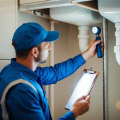
A plumbing inspection is a comprehensive evaluation of a building's plumbing system, designed to identify potential issues and ensure that everything is functioning correctly. This process involves a thorough examination of pipes, fixtures, and appliances to assess their condition and compliance with local codes and regulations. By conducting regular inspections, homeowners can prevent minor problems from escalating into costly repairs, making it an essential aspect of home maintenance. The primary purpose of a plumbing inspection is to safeguard the integrity of the plumbing system. Inspectors look for signs of leaks, corrosion, and blockages that could lead to significant damage if left unaddressed.
Additionally, they check for proper installation and functionality of water heaters, sump pumps, and other critical components. Understanding the definition of a plumbing inspection helps homeowners appreciate its importance in maintaining a safe and efficient living environment. In essence, a plumbing inspection serves as a proactive measure to ensure that your plumbing system operates smoothly. It not only helps in identifying existing issues but also provides insights into potential future problems. By investing time in these inspections, homeowners can enjoy peace of mind knowing that their plumbing systems are in good working order, ultimately saving them time and money in the long run.
Factors Influencing the Duration of a Plumbing Inspection
The duration of a plumbing inspection can vary significantly based on several key factors.Understanding these factors can help homeowners and property managers better prepare for the inspection process.
- Size of the Property: The larger the property, the longer the inspection is likely to take. A small apartment may only require 30 minutes to an hour, while a multi-story building or a large home could take several hours to thoroughly inspect.
- Complexity of the Plumbing System: Properties with intricate plumbing systems, such as those with multiple bathrooms, kitchens, or specialized fixtures, will require more time for a comprehensive evaluation. Inspectors need to check each component carefully, which can extend the overall duration.
- Specific Issues to Address: If there are known plumbing issues or concerns raised by the homeowner, the inspector may need to spend additional time investigating these problems. This could involve checking for leaks, assessing water pressure, or examining drainage systems.
- Accessibility: The ease of access to plumbing fixtures and systems can also impact inspection time.
If pipes are hidden behind walls or in hard-to-reach areas, it may take longer for the inspector to conduct a thorough examination.
- Type of Inspection: Different types of inspections (e.g., routine maintenance vs. pre-purchase inspections) may have varying durations. A detailed pre-purchase inspection typically takes longer as it requires a more in-depth analysis of the plumbing system's condition.
Typical Timeframes for Different Types of Plumbing Inspections
Understanding the typical timeframes for different types of plumbing inspections can help homeowners and business owners better prepare for the process.The duration of an inspection can vary significantly based on several factors, including the type of property and the nature of the inspection.
Residential Plumbing Inspections
For most residential properties, a standard plumbing inspection usually takes between 1 to 2 hours. This timeframe allows the inspector to thoroughly check all plumbing fixtures, including sinks, toilets, showers, and water heaters. Additionally, they will assess the condition of pipes and drainage systems.Commercial Plumbing Inspections
In contrast, commercial plumbing inspections tend to be more complex due to the larger scale and more intricate systems involved. These inspections can take anywhere from 2 to 4 hours , depending on the size of the building and the number of plumbing fixtures that need to be evaluated.Routine vs.
Emergency InspectionsThe purpose of the inspection also plays a crucial role in determining its duration. A routine inspection, which is often scheduled in advance, typically follows the timeframes mentioned above. However, an emergency plumbing inspection, prompted by urgent issues like leaks or blockages, may take longer—sometimes up to 3 hours or more. This is because inspectors must not only identify the problem but also provide immediate solutions.
Factors Influencing Inspection Duration
- Property Size: Larger properties require more time for thorough inspections.
- Type of Plumbing System: Complex systems with multiple fixtures take longer to assess.
- Condition of Existing Plumbing: Older or damaged systems may need more detailed evaluations.
- Inspector's Experience: More experienced inspectors may work faster while maintaining thoroughness.
What Happens During a Plumbing Inspection?
A plumbing inspection is a thorough examination of your plumbing system, designed to identify any potential issues that could lead to costly repairs or health hazards.Understanding the plumbing inspection process can help homeowners know what to expect and why certain aspects may take longer than others.During a typical plumbing inspection, the following steps are usually involved:
- Initial Assessment: The inspector will start by asking questions about any existing plumbing issues, recent repairs, or concerns you may have. This initial conversation helps them focus on specific areas during the inspection.
- Visual Inspection: The inspector will conduct a visual examination of accessible plumbing fixtures, pipes, and appliances. They will look for signs of leaks, corrosion, or damage. This step can vary in duration depending on the size of your home and the complexity of your plumbing system.
- Testing Water Pressure: The inspector may test the water pressure in various parts of your home.
Low water pressure can indicate underlying issues such as clogs or leaks, which may require further investigation.
- Drainage Evaluation: A thorough check of the drainage system is essential. The inspector will assess how well water drains from sinks, tubs, and toilets. Slow drainage can signal blockages that need to be addressed.
- Pipe Inspection: In some cases, inspectors use specialized tools like cameras to inspect pipes that are not easily accessible. This step is crucial for identifying hidden problems but can extend the duration of the inspection.
- Final Report: After completing the inspection, the plumber will provide a detailed report outlining their findings and any recommended repairs.
This report is essential for understanding the condition of your plumbing system.
Common Questions About Plumbing Inspections Duration
When it comes to plumbing inspections, many homeowners have questions about how long the process typically takes. Here are some common inquiries and their answers:- How long does a standard plumbing inspection take?
The duration of a standard plumbing inspection usually ranges from 1 to 2 hours. This timeframe can vary based on the size of the property and the complexity of the plumbing system. - What factors can affect the duration of a plumbing inspection?
Several factors can influence how long an inspection will take, including:- The size of the home or building.
- The number of plumbing fixtures and systems present.
- Accessibility to plumbing areas, such as crawl spaces or basements.
- The condition of the plumbing system, which may require more thorough examination.
- Do I need to be present during the inspection?
While it is not mandatory for homeowners to be present during a plumbing inspection, it is often beneficial.Being there allows you to ask questions and gain immediate insights into any issues discovered.
- Can I speed up the plumbing inspection process?
To help expedite the process, ensure that all areas needing inspection are accessible. Clear away any obstacles around plumbing fixtures and provide easy access to crawl spaces or basements.
Tips for Preparing for a Plumbing Inspection
Preparing for a plumbing inspection can significantly enhance the efficiency of the process and ensure that the inspector can conduct a thorough evaluation. Here are some practical tips to help you get ready:- Clear Access Points: Ensure that all areas where plumbing fixtures are located, such as sinks, toilets, and water heaters, are easily accessible. Move any furniture or items that may obstruct access to these areas.
- Check for Leaks: Before the inspection, take a moment to check for any visible leaks or signs of water damage.
This proactive approach can help you address issues before the inspector arrives.
- Gather Documentation: Collect any relevant documents related to your plumbing system, such as previous inspection reports, maintenance records, and warranties. Having this information on hand can provide valuable context for the inspector.
- Know Your Plumbing System: Familiarize yourself with your home’s plumbing layout. Understanding where the main shut-off valve is located and knowing the age of your plumbing can be beneficial during the inspection.
- Prepare Questions: Think about any concerns or questions you may have regarding your plumbing system. Preparing a list of questions can help you make the most of the inspector's expertise.
A well-prepared environment allows inspectors to focus on identifying potential issues rather than navigating obstacles, ultimately leading to a more efficient and effective evaluation.
Conclusion: Key Takeaways on Plumbing Inspection Duration
In summary, understanding the duration of a plumbing inspection is crucial for homeowners looking to maintain their properties effectively. While the time required for an inspection can vary based on several factors, including the size of the home and the complexity of the plumbing system, most inspections typically take between 1 to 2 hours.Here are some key takeaways regarding plumbing inspection duration:- Size Matters: Larger homes with more extensive plumbing systems will naturally require more time for a thorough inspection.
- Type of Inspection: Different types of inspections, such as routine checks or pre-purchase evaluations, may take varying amounts of time.
- Accessibility: The ease of access to plumbing fixtures and systems can significantly impact the duration. Areas that are hard to reach may require additional time.
- Inspector's Experience: A seasoned inspector may complete the job more efficiently than someone less experienced, potentially reducing the overall time needed.