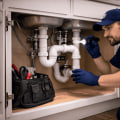
A plumbing inspection is a comprehensive evaluation of a home's plumbing system, designed to identify potential issues before they escalate into costly repairs. During this process, a qualified inspector examines various components, including pipes, fixtures, and drainage systems, to ensure everything is functioning correctly and adheres to local codes. Understanding what a plumbing inspection entails is crucial for homeowners who want to maintain the integrity of their plumbing systems and avoid unexpected emergencies. The plumbing inspection process typically involves a thorough examination of both visible and hidden plumbing elements. Inspectors may use advanced tools such as cameras to inspect pipes that are not easily accessible.
They will check for leaks, corrosion, and signs of wear and tear that could lead to significant problems down the line. This proactive approach not only helps in identifying existing issues but also aids in planning for future maintenance. Recognizing the importance of plumbing inspections cannot be overstated. Regular inspections can save homeowners from expensive repairs and water damage by catching problems early. Moreover, they provide peace of mind, knowing that your home’s plumbing system is in good condition.
Whether you are preparing for a sale or simply want to ensure your home remains safe and efficient, understanding the significance of these inspections is the first step toward effective home maintenance.
Why You Should Prepare for a Plumbing Inspection
Preparing for a plumbing inspection is not just a matter of convenience; it can lead to significant benefits that can save you time, money, and stress in the long run. Here are some compelling reasons to ensure your home is ready for this important evaluation:- Cost Savings: By preparing for a plumbing inspection, you can identify and address minor issues before they escalate into costly repairs. For instance, a small leak that goes unnoticed can lead to water damage and mold growth, resulting in expensive remediation costs.
- Avoiding Future Issues: A thorough inspection can uncover potential problems that may not be immediately visible. By addressing these issues proactively, you can prevent future plumbing emergencies that could disrupt your daily life.
- Compliance with Local Regulations: Many municipalities have specific plumbing codes and regulations that must be adhered to.
Preparing for an inspection ensures that your home meets these standards, helping you avoid fines or legal complications.
- Peace of Mind: Knowing that your plumbing system is in good condition provides peace of mind. A successful inspection can reassure you that your home is safe and functional, allowing you to focus on other aspects of homeownership.
Common Issues Found During Plumbing Inspections
When preparing for a plumbing inspection, it’s crucial to understand the common issues that inspectors typically look for. Being aware of these problems can help you address them beforehand, potentially saving you time and money.- Leaky Pipes: One of the most frequent issues found during inspections is leaky pipes.
Inspectors will check for visible signs of leaks, such as water stains on walls or ceilings, which can indicate underlying plumbing problems.
- Corroded Pipes: Over time, pipes can corrode, leading to reduced water flow and potential leaks. Inspectors will assess the condition of your pipes, especially if they are made of older materials like galvanized steel.
- Improper Drainage: Blocked or improperly sloped drains can cause significant plumbing issues. Inspectors will evaluate your drainage system to ensure that water flows freely and efficiently.
- Water Pressure Issues: High or low water pressure can indicate problems within your plumbing system. Inspectors often measure water pressure to ensure it falls within acceptable ranges.
- Sewer Line Problems: Issues with sewer lines, such as cracks or blockages, can lead to serious health hazards.
Inspectors may use cameras to inspect sewer lines for any signs of damage.
- Faulty Fixtures: Inspectors will also check faucets, toilets, and other fixtures for leaks or malfunctions. Ensuring that all fixtures are in good working order can help you pass the inspection with ease.
- Inspecting all visible pipes for leaks and corrosion.
- Checking water pressure at various fixtures.
- Ensuring all drains are clear and functioning properly.
- Testing all plumbing fixtures for proper operation.
- Reviewing any previous plumbing issues and ensuring they have been resolved.
Steps to Prepare Your Home for a Plumbing Inspection
Preparing your home for a plumbing inspection is essential to ensure a smooth process and to identify any potential issues before they become major problems. Here are some detailed steps to help you get ready:- Check All Fixtures: Go through each sink, toilet, and shower in your home.
Look for any signs of leaks, drips, or corrosion. Make sure all faucets are functioning properly and that there are no clogs.
- Clear Access Points: Ensure that all areas where plumbing is accessible are clear of obstructions. This includes under sinks, behind toilets, and in basements or crawl spaces. Remove any stored items or furniture that may hinder the inspector's access.
- Inspect Water Heater: Check your water heater for any signs of wear or leaks.
Ensure that the temperature is set appropriately and that the area around it is clean and accessible.
- Review Your Plumbing System: Familiarize yourself with your plumbing system layout. Know where the main shut-off valve is located, as well as any other valves that may need to be accessed during the inspection.
- Document Previous Issues: If you have had any plumbing issues in the past, make a note of them. This information can be helpful for the inspector to understand your plumbing history.
- Check for Water Pressure: Test the water pressure in your home. Low water pressure can indicate underlying issues in your plumbing system that may need to be addressed.
Taking these proactive measures not only saves time but also helps maintain the integrity of your home’s plumbing system.
Checking Your Plumbing Fixtures and Appliances
Preparing for a plumbing inspection involves a thorough check of your home’s plumbing fixtures and appliances. Ensuring these components are in good working order can help you avoid potential issues during the inspection. Here’s a checklist to guide you through the process.- Faucets: Check all faucets for leaks, drips, or corrosion. Ensure that they operate smoothly and that the water flow is consistent.
- Toilets: Inspect toilets for any signs of leaks around the base and ensure they flush properly.
Pay attention to the tank and bowl for any cracks or damage.
- Showerheads: Look for mineral buildup or leaks. A well-functioning showerhead should provide a steady stream of water without any interruptions.
- Sinks: Examine kitchen and bathroom sinks for clogs, leaks, or slow drainage. Clean out any debris from the drain to ensure proper flow.
- Water Heater: Check the water heater for any signs of rust or leaks. Ensure that it heats water efficiently and that the temperature is set appropriately.
- Washing Machine: Inspect hoses for wear and tear, and ensure there are no leaks.
Run a cycle to check for proper operation.
- Dishwasher: Look for leaks under the appliance and check that it drains properly after use. Ensure that all spray arms are functioning correctly.
- Corrosion: Look for signs of rust on metal fixtures, which can indicate aging plumbing.
- Clogs: Slow drains can be a sign of deeper plumbing issues that may need addressing before the inspection.
- Pipes: Inspect visible pipes for leaks or damage, especially in areas prone to temperature changes.
Ensuring Accessibility for the Inspector
Preparing your home for a plumbing inspection involves more than just scheduling the appointment; it requires ensuring that the inspector can easily access all necessary areas. Accessibility is crucial for a thorough evaluation of your plumbing system, and taking the time to prepare can lead to a smoother inspection process.Identify Key Access Points
- Basements: If your plumbing runs through the basement, ensure that this area is clear of clutter. Move any boxes, furniture, or other items that may obstruct access to pipes and fixtures.
- Crawl Spaces: If your home has a crawl space, check that it is accessible.
Remove any debris or obstacles that could hinder entry.
- Attics: Inspectors may need to access plumbing in the attic. Clear away insulation or storage items that could block their path.
- Bathrooms and Kitchens: Ensure that cabinets under sinks are empty and accessible. This allows the inspector to examine plumbing connections and drainage systems.
Clear Surrounding Areas
In addition to clearing direct access points, consider the surrounding areas where plumbing fixtures are located. For example:
- Outdoor Faucets: Trim back any overgrown plants or shrubs near outdoor faucets or hose bibs.
- Water Heaters: Ensure there is enough space around your water heater for the inspector to check connections and safety features.
Communicate with Your Inspector
If you have specific concerns about certain areas of your plumbing system, communicate these to the inspector ahead of time.
This can help them prepare for any challenges they might face during the inspection.By taking these steps to ensure accessibility for the inspector, you not only facilitate a more efficient inspection but also demonstrate your commitment to maintaining your home’s plumbing system. A well-prepared environment can lead to quicker assessments and potentially fewer issues down the line.
What to Expect During the Plumbing Inspection
When preparing for a plumbing inspection, understanding what to expect can significantly reduce any anxiety you may have about the process. A plumbing inspector will typically follow a systematic approach to evaluate the condition of your home’s plumbing system.Initial Assessment
- The inspector will start with a visual assessment of your plumbing fixtures, including sinks, toilets, and bathtubs. They will check for any visible signs of leaks or damage.
- They may also inspect exposed pipes in basements, crawl spaces, and under sinks to identify potential issues.
Water Pressure and Flow Tests
- The inspector will likely test the water pressure throughout your home.
This helps determine if there are any blockages or leaks in the system.
- They may run water through various fixtures to assess flow rates and ensure everything is functioning properly.
Drainage Evaluation
- A critical part of the plumbing inspection involves checking the drainage system. The inspector will look for slow drains or backups that could indicate larger issues.
- They may use specialized tools, such as cameras, to inspect the interior of pipes for blockages or deterioration.
Compliance Check
- The inspector will verify that your plumbing system complies with local building codes and regulations. This includes checking for proper venting and drainage systems.
- If any issues are found, they will provide recommendations for repairs or upgrades needed to meet compliance standards.
Frequently Asked Questions About Plumbing Inspections
When it comes to plumbing inspections, homeowners often have a variety of questions and concerns.Here are some of the most frequently asked questions:
- What is a plumbing inspection? A plumbing inspection is a thorough examination of your home’s plumbing system, including pipes, fixtures, and appliances, to ensure everything is functioning properly and to identify any potential issues.
- Why do I need a plumbing inspection? Regular inspections can help prevent costly repairs by identifying problems early. They are especially important before buying or selling a home, as they provide insight into the condition of the plumbing system.
- How often should I have a plumbing inspection? It is generally recommended to have a plumbing inspection every 1-2 years. However, if you notice any signs of trouble, such as leaks or low water pressure, you should schedule an inspection sooner.
- What should I expect during a plumbing inspection? During the inspection, a licensed plumber will check for leaks, assess the condition of pipes and fixtures, evaluate water pressure, and inspect drainage systems. They may also use specialized tools like cameras to examine hard-to-reach areas.
- How can I prepare for a plumbing inspection? To prepare for a plumbing inspection, clear access to all plumbing fixtures and areas where pipes are located.
Ensure that the plumber can easily reach your basement, crawl spaces, and under sinks.
Conclusion: Key Takeaways for Homeowners Preparing for a Plumbing Inspection
Preparing your home for a plumbing inspection is crucial to ensure that the process goes smoothly and efficiently. By taking the time to address key areas, you can help the inspector identify any potential issues and provide you with valuable insights into your plumbing system.Here are the key takeaways for homeowners:
- Clear Access Points: Ensure that all areas where plumbing fixtures are located, such as sinks, toilets, and water heaters, are easily accessible. This includes moving any furniture or items that may obstruct access.
- Check for Leaks: Before the inspection, inspect your home for any visible leaks or signs of water damage.
Addressing these issues beforehand can save time and potentially reduce repair costs.
- Document Previous Repairs: If you have had any plumbing work done in the past, gather documentation such as receipts or warranties. This information can be helpful for the inspector to understand the history of your plumbing system.
- Know Your Plumbing System: Familiarize yourself with your home’s plumbing layout, including the location of shut-off valves and main water lines. This knowledge can assist both you and the inspector during the evaluation.
- Be Prepared for Questions: The inspector may ask about your plumbing system's age, maintenance history, and any concerns you might have. Being prepared to answer these questions can facilitate a more thorough inspection.
By following these key takeaways, homeowners can ensure that their plumbing systems are in good shape and ready for evaluation.