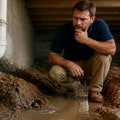
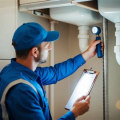
A plumbing inspection is a comprehensive evaluation of a home's plumbing system, designed to identify potential issues before they escalate into costly repairs. During this process, a qualified plumber examines various components, including pipes, fixtures, and appliances, to ensure everything is functioning correctly and efficiently. This proactive approach not only helps maintain the integrity of your plumbing but also plays a crucial role in preventing water waste, which can significantly impact your monthly water bill. The benefits of a plumbing inspection extend beyond mere identification of leaks or clogs. By pinpointing inefficiencies in your plumbing system, such as outdated fixtures or hidden leaks, homeowners can make informed decisions about necessary repairs or upgrades.
This not only enhances the overall performance of the plumbing system but can also lead to substantial savings on water bills over time. For instance, replacing an old toilet with a modern, water-efficient model can reduce water usage by up to 60%.Understanding the plumbing inspection process is essential for homeowners looking to maximize their investment. Typically, the inspection begins with a thorough assessment of visible plumbing components, followed by tests for leaks and pressure issues. Advanced techniques, such as video camera inspections, may also be employed to examine hard-to-reach areas.
By being aware of what to expect during an inspection, homeowners can better appreciate its value and take proactive steps toward maintaining their plumbing systems.
The Connection Between Plumbing Inspections and Water Bills
Understanding the connection between plumbing inspections and your water bill is crucial for homeowners looking to save money. A thorough plumbing inspection can uncover hidden issues that may be causing your water bill to skyrocket.One of the primary benefits of a plumbing inspection is its ability to identify plumbing leaks. Even minor leaks can lead to significant water waste over time. For instance, a small drip from a faucet can waste over 3,000 gallons of water annually, which translates to higher costs on your water bill.By detecting these leaks early, you can take action to repair them before they become more serious and costly.In addition to leaks, plumbing inspections can reveal inefficiencies in your plumbing system. This includes outdated fixtures or appliances that consume more water than necessary. For example, older toilets may use up to 7 gallons per flush, while modern models use as little as 1.6 gallons. Upgrading these fixtures can lead to substantial savings on your monthly water bill.Moreover, a plumbing inspection can help you identify issues with your water heater, such as sediment buildup or temperature settings that are too high.
These factors not only affect your water usage but also impact energy consumption, leading to higher utility bills.In summary, investing in a plumbing inspection is a proactive step towards reducing your water bill. By addressing leaks and inefficiencies promptly, you can enjoy long-term savings and contribute to more sustainable water usage in your home.
Common Issues Found During Plumbing Inspections
During a plumbing inspection, several common issues can be identified that may significantly impact your water bill and overall plumbing efficiency. Recognizing these problems early can lead to substantial savings and prevent more extensive damage down the line.- Leaks: One of the most prevalent issues found during inspections is leaks. These can occur in pipes, faucets, or toilets and often go unnoticed until they result in higher water bills.
A small leak can waste gallons of water daily, leading to increased costs.
- Clogs: Clogged drains are another frequent finding. Over time, debris, grease, and mineral buildup can obstruct pipes, causing slow drainage and potential backups. Regular inspections can help identify these clogs before they escalate into more serious plumbing issues.
- Outdated Fixtures: Many homes still have older plumbing fixtures that are not water-efficient. During a plumbing inspection, professionals can recommend modern replacements that use less water without sacrificing performance, ultimately lowering your water bill.
- Corroded Pipes: Aging pipes can corrode over time, leading to leaks and reduced water pressure.
Inspections can reveal the condition of your plumbing system and suggest necessary repairs or replacements.
How to Prepare for a Plumbing Inspection
Preparing for a plumbing inspection is essential to ensure that the process goes smoothly and that all potential issues are thoroughly examined.Here are some practical steps you can take to get ready:
- Clear Access Points: Make sure that the plumber has easy access to all areas of your home where plumbing is present. This includes under sinks, around toilets, and in basements or crawl spaces. Remove any items that may obstruct access.
- Document Existing Issues: If you have noticed any plumbing problems, such as leaks or slow drains, make a note of them. This information can help the inspector focus on specific areas that may require more attention.
- Check for Water Damage: Inspect your home for any signs of water damage, such as stains on walls or ceilings.
Highlight these areas for the inspector, as they may indicate underlying plumbing issues.
- Gather Relevant Documents: If you have previous plumbing inspection reports or maintenance records, have them ready for the inspector. This documentation can provide valuable insights into your plumbing system's history.
- Pipes for leaks or corrosion
- Water pressure levels
- Drainage systems for blockages
- Fixtures and appliances for proper functioning
- Be Present: If possible, be home during the inspection. This allows you to ask questions and gain insights directly from the inspector.
- Ask Questions: Don’t hesitate to inquire about any findings or recommendations.
Understanding the results can help you make informed decisions about repairs or upgrades.
- Follow Up: After the inspection, review the report carefully and follow up on any suggested repairs promptly to avoid further issues and potential costs.
Cost of Plumbing Inspections vs. Potential Savings
When considering a plumbing inspection, it's essential to weigh the costs against the potential savings. The average cost of a plumbing inspection can range from $100 to $300, depending on the complexity of your plumbing system and your geographical location. While this upfront expense may seem daunting, the long-term benefits often outweigh the initial investment.Return on Investment (ROI)
- A well-conducted plumbing inspection can identify leaks, clogs, and other issues that may not be immediately visible.
Addressing these problems early can prevent costly repairs down the line.
- For instance, a small leak can waste hundreds of gallons of water each month, leading to significantly higher water bills. By fixing leaks promptly, homeowners can save an average of 10% on their water bills.
- Moreover, many plumbing issues can escalate quickly. A minor repair might cost a few hundred dollars, but if left unchecked, it could lead to extensive damage requiring thousands in repairs.
Savings from Plumbing Repairs
- Investing in a plumbing inspection can also help you avoid emergency repairs, which are often more expensive than scheduled maintenance. Emergency calls can incur additional fees and may require immediate action that could lead to hasty decisions.
- Additionally, some utility companies offer rebates or discounts for homeowners who take proactive measures to reduce water usage.
By identifying and fixing plumbing issues through an inspection, you may qualify for these savings.
FAQs About Plumbing Inspections and Water Bills
When considering a plumbing inspection, many homeowners have questions about its necessity and frequency, especially regarding potential savings on their water bills. Here are some common queries:Do I Need a Plumbing Inspection?
If you notice signs of leaks, unusual water bills, or have an older plumbing system, a plumbing inspection is highly recommended. Even if everything seems fine, regular inspections can help identify hidden issues before they escalate into costly repairs.How Often Should I Get a Plumbing Inspection?
It’s advisable to schedule a plumbing inspection at least once every two years.However, if you live in an area with hard water or have an older home, annual inspections may be more beneficial. Regular checks can help maintain your plumbing system's efficiency and prevent unexpected leaks that could inflate your water bill.
Can a Plumbing Inspection Help Save Money on My Water Bill?
Absolutely! A thorough plumbing inspection can uncover leaks and inefficiencies that may be causing your water bill to spike. For instance, small leaks in faucets or toilets can waste gallons of water daily, leading to higher costs. By addressing these issues promptly, you can significantly reduce your monthly expenses.In summary, investing in a plumbing inspection not only ensures the longevity of your plumbing system but also offers the potential for substantial savings on your water bill.Don’t wait for problems to arise; proactive maintenance is key to efficient home management.
Conclusion: The Financial Benefits of Regular Plumbing Inspections
In conclusion, regular plumbing inspections are not just a preventive measure; they are a smart financial strategy that can lead to substantial savings on your water bill and overall home maintenance costs. By identifying and addressing issues such as leaks, corrosion, and inefficient fixtures early on, homeowners can avoid the escalating costs associated with water waste and extensive repairs.Consider the following key points:- Leak Detection: Small leaks can go unnoticed for long periods, leading to increased water bills. A plumbing inspection can uncover these hidden leaks before they become a costly problem.
- Fixture Efficiency: During an inspection, plumbers can recommend upgrades to more efficient fixtures that use less water without sacrificing performance. This not only reduces your water bill but also contributes to environmental conservation.
- Preventive Maintenance: Regular inspections help maintain the integrity of your plumbing system, reducing the likelihood of emergency repairs that can be financially burdensome.
- Long-Term Savings: Investing in routine plumbing inspections can save you money in the long run by extending the lifespan of your plumbing system and preventing costly replacements.
They provide peace of mind knowing that your home is functioning efficiently and that you are taking proactive steps to protect your investment. By prioritizing these inspections, homeowners can enjoy a more sustainable and cost-effective living environment.