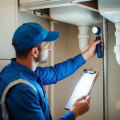
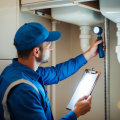
A plumbing inspection is a comprehensive evaluation of a home's plumbing system, designed to identify potential issues and ensure everything is functioning correctly. This process is crucial for maintaining the safety and efficiency of your home. During a plumbing inspection, a qualified professional examines various components, including pipes, fixtures, and drainage systems, to detect leaks, corrosion, or any signs of wear and tear. By addressing these issues early on, homeowners can avoid costly repairs and ensure their plumbing system operates smoothly. The plumbing inspection process typically begins with a thorough visual assessment of the visible plumbing components.
Inspectors look for signs of leaks, water damage, and improper installations. They may also use specialized tools such as cameras to inspect pipes that are not easily accessible. This detailed examination helps in identifying not just current problems but also potential future issues that could arise if left unchecked. Understanding what a plumbing inspection entails is essential for homeowners who want to maintain their property’s value and safety. Regular inspections can help catch minor problems before they escalate into major repairs, ultimately saving time and money.
Moreover, knowing the state of your plumbing system can provide peace of mind, ensuring that your home remains a safe and comfortable environment for you and your family.
The Scope of a Plumbing Inspection
A plumbing inspection is a comprehensive evaluation of a home's plumbing system, designed to identify potential issues and ensure everything is functioning correctly. The scope of a plumbing inspection typically includes several key components:- Pipe Inspection: Inspectors examine all visible pipes for signs of leaks, corrosion, or damage. This includes both supply lines and drainage pipes.
- Fixture Assessment: All plumbing fixtures, such as sinks, toilets, and bathtubs, are checked for proper operation and any signs of wear or malfunction.
- Drainage System Evaluation: The drainage system is assessed to ensure that water flows freely and that there are no blockages or slow drains.
- Water Supply Check: Inspectors verify that the water supply is adequate and that there are no issues with pressure or quality.
- Water Heater Inspection: The condition and efficiency of the water heater are evaluated, including checking for leaks and ensuring it meets safety standards.
Some inspectors may use video technology to inspect the interior of pipes, providing a clearer picture of their condition.While the primary focus of a plumbing inspection is on the plumbing system itself, it’s important to note that some inspectors may also check for gas leaks, especially if gas lines are present in the home. This additional check can provide peace of mind regarding safety and compliance with local regulations.Overall, understanding the scope of a plumbing inspection helps homeowners prepare for what to expect during the process and highlights the importance of regular inspections in maintaining a safe and efficient plumbing system.
Can Plumbing Inspections Detect Gas Leaks?
When it comes to plumbing inspections, many homeowners wonder if these assessments also cover potential gas leaks. While plumbing inspections primarily focus on the water supply and drainage systems, they can sometimes include checks for gas leaks, but this is not always the case.Understanding the Scope of Plumbing Inspections
- Plumbing inspections typically evaluate:
- Water pipes and fixtures
- Drainage systems
- Water heaters
- Signs of leaks or corrosion
The Role of Gas Specialists
- Gas specialists are trained to:
- Use specialized equipment for detecting gas leaks
- Assess the integrity of gas lines and connections
- Ensure compliance with safety regulations
They can perform a comprehensive inspection that includes pressure tests and leak detection methods that go beyond what a standard plumbing inspection covers.
Conclusion
In summary, while some aspects of a plumbing inspection may touch on potential gas issues, it is not a substitute for a dedicated gas leak inspection. For your safety and peace of mind, always consult with professionals who specialize in gas systems when dealing with potential leaks.
The Importance of Gas Leak Detection
Detecting gas leaks is a critical aspect of maintaining a safe home environment.Gas leaks
can pose serious health risks and even lead to catastrophic events such as explosions or fires. Therefore, understanding the importance of gas leak detection is essential for every homeowner.Dangers of Gas Leaks
- Health Risks: Exposure to natural gas can lead to symptoms such as headaches, dizziness, nausea, and in severe cases, unconsciousness or death.
- Environmental Impact: Gas leaks contribute to air pollution and can harm local wildlife.
- Fire Hazard: Accumulated gas can ignite from a spark or flame, leading to devastating fires.
Regular plumbing inspections can play a significant role in this process. During these inspections, professionals can check for signs of gas leaks alongside plumbing issues, ensuring comprehensive safety measures are in place.
How to Detect Gas Leaks
- Smell: Natural gas is odorless, but an additive called mercaptan gives it a distinctive rotten egg smell. If you detect this odor, evacuate immediately and call for help.
- Sound: Listen for hissing or whistling sounds near gas lines or appliances, which may indicate a leak.
- Bubbles: Apply soapy water to suspected areas; if bubbles form, there is likely a leak.
When to Schedule a Plumbing Inspection
Knowing when to schedule a plumbing inspection is crucial for maintaining the integrity of your home’s plumbing system.Regular inspections can help identify potential issues before they escalate into costly repairs. Here are some key indicators that suggest it might be time to call in a professional:
- Unusual Sounds: If you hear gurgling, banging, or hissing noises coming from your pipes, it may indicate a problem that requires immediate attention.
- Water Stains: Discoloration on walls or ceilings can signal leaks within your plumbing system. If you notice these stains, it’s wise to schedule an inspection.
- Low Water Pressure: A sudden drop in water pressure can be a sign of a leak or blockage in your pipes.
- Frequent Clogs: If you find yourself dealing with clogs more often than usual, it may indicate underlying issues that need to be addressed.
- Unpleasant Odors: Foul smells can suggest sewer line problems or gas leaks, both of which require immediate professional evaluation.
However, if your home is older or if you’ve recently experienced significant plumbing issues, more frequent inspections may be warranted. Seasonal changes can also impact your plumbing system; scheduling an inspection before winter can help prevent freezing pipes and other cold-weather complications. Ultimately, being proactive about plumbing inspections not only protects your home but also ensures the safety and comfort of your family. Don’t wait for a minor issue to turn into a major headache—schedule an inspection today!
What to Expect During a Plumbing Inspection
When you schedule a plumbing inspection, it’s essential to know what to expect from the process. A qualified plumbing inspector will conduct a thorough examination of your home’s plumbing system, ensuring everything is functioning correctly and safely.Initial Assessment
- The inspector will start with an initial assessment, which includes a visual inspection of accessible plumbing fixtures, pipes, and appliances.
- They will check for any visible signs of leaks, corrosion, or damage.
Testing Water Pressure and Flow
- The inspector may test the water pressure in your home to ensure it meets local standards.
- They will also check the flow rate of faucets and showerheads to identify any potential issues.
Inspecting Drainage Systems
- A critical part of the inspection involves examining the drainage systems for blockages or improper installation.
- The inspector may use specialized tools like cameras to inspect pipes that are not easily accessible.
Checking for Gas Leaks
- While the primary focus is on plumbing, many inspectors are also trained to check for gas leaks in conjunction with the plumbing inspection.
- This includes inspecting gas lines and connections for any signs of leaks or deterioration.
Documentation and Recommendations
- After completing the inspection, the inspector will provide a detailed report outlining their findings.
- This report may include recommendations for repairs or maintenance to ensure your plumbing system operates efficiently and safely.
By understanding what to expect during this process, homeowners can feel more confident in addressing any potential issues before they escalate into costly repairs.
FAQs About Plumbing Inspections and Gas Leaks
When it comes to plumbing inspections, many homeowners have questions about the scope of these evaluations, particularly regarding gas leaks. Here are some frequently asked questions that can help clarify this topic.- Can a plumbing inspection detect gas leaks?
While a standard plumbing inspection primarily focuses on water supply and drainage systems, some inspectors may also check for signs of gas leaks. However, it is essential to note that not all plumbing inspectors are trained to identify gas issues. For comprehensive safety, consider hiring a licensed gas inspector. - What are the signs of a gas leak?
Common indicators of a gas leak include:- Unusual odors, often described as a sulfur or rotten egg smell.
- Hissing or whistling sounds near gas lines.
- Dead or dying vegetation around the gas line.
- Bubbles in standing water near the gas line.
- How often should I have a plumbing inspection?
It is recommended to schedule a plumbing inspection at least once every two years.However, if you suspect any issues, such as potential gas leaks or plumbing failures, you should seek an inspection sooner.
- What should I do if I suspect a gas leak?
If you suspect a gas leak, take immediate action:- Evacuate the area and ensure everyone is safe.
- Avoid using electrical devices or open flames.
- Contact your local gas company or emergency services for assistance.
Conclusion: Ensuring Safety Through Regular Inspections
In conclusion, regular plumbing inspections are essential for maintaining the safety and integrity of your home. These inspections not only identify potential plumbing issues but also play a crucial role in detecting other hazards, such as gas leaks. By ensuring that your plumbing system is functioning correctly, you can prevent costly repairs and protect your family from dangerous situations.Throughout this article, we have discussed the various aspects of plumbing inspections, including:- The importance of identifying leaks and blockages early.
- The role of inspections in maintaining water quality.
- How plumbing professionals can assess gas lines during routine checks.
This dual focus enhances the overall safety of your home, making it imperative to schedule these inspections regularly.By prioritizing routine plumbing inspections, homeowners can ensure that their systems are not only efficient but also safe. Remember, prevention is always better than cure; addressing minor issues before they escalate can save you time, money, and stress in the long run. Make it a habit to consult with a licensed plumber to keep your home safe and secure.