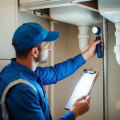
A plumbing inspection is a critical assessment of a home's plumbing system, designed to identify potential issues before they escalate into costly repairs. During this process, a qualified inspector examines various components, including pipes, fixtures, and drainage systems, to ensure everything is functioning correctly and adheres to local codes. Understanding what a plumbing inspection entails is essential for homeowners who wish to maintain the integrity of their plumbing systems and avoid unexpected emergencies. The importance of plumbing inspections cannot be overstated. Regular inspections can uncover hidden problems such as leaks, corrosion, or blockages that may not be immediately visible.
By addressing these issues early on, homeowners can save significant amounts of money in the long run and ensure their plumbing system operates efficiently. Moreover, a thorough inspection can provide peace of mind, knowing that your home’s plumbing is in good condition. In addition to safeguarding your investment, a plumbing inspection plays a vital role in enhancing the overall safety and comfort of your living environment. Undetected plumbing issues can lead to water damage, mold growth, and even health hazards. Therefore, understanding the significance of plumbing inspections is crucial for any homeowner looking to protect their property and maintain a safe home.
Common Plumbing Issues Found During Inspections
During a plumbing inspection, several common issues may be identified that can lead to significant problems if left unaddressed.Understanding these issues is crucial for homeowners to maintain their plumbing systems effectively.
- Leaky Pipes: One of the most frequent findings during inspections is leaky pipes. These leaks can occur due to corrosion, high water pressure, or improper installation. If not repaired, they can lead to water damage and mold growth.
- Clogged Drains: Clogs in sinks, showers, and toilets are another common issue. They can result from a buildup of hair, grease, or foreign objects.
Ignoring these clogs can lead to backups and more severe plumbing problems.
- Faulty Water Heaters: Inspections often reveal issues with water heaters, such as sediment buildup or leaks. A malfunctioning water heater can lead to inconsistent hot water supply and increased energy bills.
- Old or Damaged Fixtures: Outdated faucets and toilets may not function efficiently and can waste water. Inspections can identify fixtures that need replacement to improve water efficiency.
- Sewer Line Issues: Problems with sewer lines, such as cracks or blockages, can be serious. These issues may cause sewage backups, which pose health risks and require immediate attention.
Regular plumbing inspections are essential for identifying these issues early and ensuring the longevity of your plumbing system.
Immediate Consequences of Ignoring Plumbing Issues
Ignoring plumbing issues identified during a plumbing inspection can lead to a range of immediate consequences that can significantly impact your home and finances. Addressing these problems promptly is crucial to avoid further complications. One of the most pressing issues is water damage. Even minor leaks can escalate quickly, leading to extensive damage to walls, ceilings, and floors. This not only compromises the structural integrity of your home but also creates an environment conducive to mold growth, which can pose serious health risks. Another immediate consequence is the potential for increased utility bills.Leaky pipes or faulty fixtures can cause water to be wasted, resulting in higher monthly expenses. Homeowners may notice a sudden spike in their water bills, which could have been avoided with timely repairs. Additionally, neglecting plumbing issues can lead to health risks. Stagnant water from leaks can attract pests and create unsanitary conditions. Mold spores released into the air can trigger allergies and respiratory problems, particularly in vulnerable individuals such as children and the elderly. In summary, the immediate repercussions of ignoring plumbing issues include:
- Water damage to property
- Increased utility bills
- Health risks from mold and pests
Long-Term Consequences of Neglecting Plumbing Problems
Ignoring plumbing issues identified during a plumbing inspection can lead to a cascade of long-term consequences that may significantly impact your home and finances.The initial signs of plumbing problems, such as minor leaks or slow drains, might seem manageable, but over time, these issues can escalate into serious complications.
Structural Damage
- One of the most severe consequences of neglecting plumbing problems is structural damage. Water leaks can seep into walls, foundations, and ceilings, leading to mold growth and wood rot. This not only compromises the integrity of your home but also poses health risks to its occupants.
- As water continues to infiltrate these areas, it can weaken the structural components of your home, resulting in costly repairs that could have been avoided with timely intervention.
Increased Repair Costs
- Over time, small plumbing issues can evolve into major repairs. For instance, a minor leak may require only a simple fix initially, but if left unattended, it could necessitate extensive plumbing work or even replacement of entire sections of piping.
- The longer you wait to address these problems, the more expensive they become.
Homeowners often find themselves facing bills that far exceed the cost of a routine plumbing inspection and necessary repairs.
Decreased Property Value
- Homes with unresolved plumbing issues can suffer from decreased property value. Potential buyers are often wary of homes with a history of plumbing problems, which can lead to lower offers or difficulty selling altogether.
- A comprehensive plumbing inspection can reveal these issues before they become detrimental to your property’s marketability.
Financial Implications of Ignoring Plumbing Issues
Ignoring plumbing issues identified during a plumbing inspection can lead to significant financial repercussions. While it may seem tempting to postpone repairs to save money in the short term, this decision often results in much higher costs down the line.One of the primary financial consequences of neglecting plumbing problems is the potential for water damage.Leaks that go unaddressed can cause extensive damage to walls, floors, and foundations, leading to costly repairs. According to industry estimates, water damage can cost homeowners anywhere from $1,000 to $10,000 or more, depending on the severity and extent of the damage.Additionally, plumbing issues can lead to increased utility bills. For instance, a small leak can waste hundreds of gallons of water each month, resulting in higher water bills. Homeowners may find themselves paying an extra $200 or more annually due to undetected leaks.Furthermore, ignoring plumbing problems can affect property value.
Prospective buyers are often wary of homes with known plumbing issues. If you decide to sell your home in the future, unresolved plumbing problems could lead to lower offers or even deter potential buyers altogether.To avoid these financial pitfalls, it’s essential to budget for plumbing repairs. Setting aside funds for routine maintenance and unexpected repairs can help mitigate the costs associated with ignoring plumbing issues. A good rule of thumb is to allocate about 1% of your home’s value annually for maintenance and repairs, which includes plumbing.In conclusion, while it may seem cost-effective to ignore plumbing issues found during a plumbing inspection, the long-term financial implications can be severe.
By addressing these problems promptly and budgeting for necessary repairs, homeowners can protect their investments and avoid costly surprises in the future.
Health Risks Associated with Plumbing Problems
Ignoring plumbing issues identified during a plumbing inspection can lead to significant health risks for you and your family. One of the most pressing concerns is the potential for mold and mildew growth, which thrives in damp environments created by leaks or water damage. Mold spores can become airborne, leading to respiratory problems, allergic reactions, and other serious health issues.In addition to mold, unresolved plumbing problems can also result in water contamination. When pipes corrode or break, harmful bacteria and chemicals can leach into your water supply.This contamination poses serious health risks, including gastrointestinal illnesses and long-term exposure to toxic substances that can affect overall well-being.
- Mold and Mildew: Exposure to mold can cause symptoms such as coughing, sneezing, and skin irritation. In more severe cases, it can lead to chronic respiratory conditions.
- Water Contamination: Contaminated water can carry pathogens that lead to diseases like giardiasis or hepatitis A.
- Structural Damage: Leaks not only create a breeding ground for mold but can also weaken the structural integrity of your home, leading to further hazards.
Preventative Measures and Maintenance Tips
Maintaining a healthy plumbing system is crucial for preventing costly repairs and ensuring the longevity of your home’s infrastructure.Regular plumbing inspections are a key component of effective preventative maintenance. Here are some practical tips to help you avoid plumbing issues:
- Schedule Regular Inspections: Aim for a professional plumbing inspection at least once a year. This proactive approach allows for early detection of potential problems, such as leaks or corrosion, before they escalate.
- Monitor Water Pressure: High water pressure can strain your plumbing system. Invest in a pressure gauge to monitor levels and adjust them if necessary, ideally keeping them between 40-60 psi.
- Inspect Visible Pipes: Regularly check exposed pipes for signs of wear, leaks, or rust.
Addressing these issues promptly can prevent more significant damage down the line.
- Maintain Your Water Heater: Flush your water heater annually to remove sediment buildup, which can lead to inefficiency and potential leaks.
- Be Mindful of What Goes Down the Drain: Avoid flushing non-biodegradable items or pouring grease down the sink. Use drain screens to catch debris and prevent clogs.
FAQs About Plumbing Inspections and Ignored Issues
When it comes to plumbing inspections, many homeowners have questions about the potential consequences of ignoring identified issues. Here are some frequently asked questions that can help clarify the importance of addressing plumbing problems promptly.- What are the risks of ignoring plumbing issues?
Ignoring plumbing issues can lead to severe consequences, including water damage, mold growth, and structural damage to your home.Small leaks can escalate into major floods, resulting in costly repairs.
- How can I identify plumbing issues during an inspection?
During a plumbing inspection, professionals look for signs such as leaks, corrosion, and unusual water pressure. Homeowners should also be aware of changes in water quality or flow. - What should I do after a plumbing inspection?
After a plumbing inspection, it’s crucial to address any identified issues immediately. This may involve scheduling repairs with a licensed plumber or taking preventive measures to avoid future problems. - Can ignoring plumbing issues affect my home’s value?
Yes, neglecting plumbing problems can significantly decrease your home’s value. Potential buyers may be deterred by the prospect of costly repairs, leading to lower offers or difficulty selling your property. - Are there any health risks associated with ignored plumbing issues?
Absolutely.Ignored plumbing problems can lead to mold and mildew growth, which poses serious health risks, especially for individuals with respiratory conditions or allergies.
Conclusion: The Importance of Addressing Plumbing Issues Promptly
In conclusion, the consequences of ignoring plumbing issues identified during a plumbing inspection can be severe and far-reaching. Homeowners often underestimate the impact that seemingly minor problems can have on their property and finances. Addressing these issues promptly is not just a matter of convenience; it is essential for maintaining the integrity of your home. Firstly, neglecting plumbing problems can lead to significant structural damage.For instance, a small leak can gradually erode the foundation of your home, resulting in costly repairs that could have been avoided with timely intervention. Additionally, water damage can promote mold growth, which poses health risks to you and your family. Moreover, unresolved plumbing issues can escalate into more serious complications. A clogged drain might seem trivial at first, but if left unattended, it can lead to sewage backups or even burst pipes. These situations not only disrupt your daily life but also require extensive repairs and can significantly decrease your property value. Furthermore, ignoring plumbing inspections can lead to increased utility bills.
Leaks and inefficiencies in your plumbing system often result in wasted water, which translates to higher costs on your monthly bills. By addressing these issues early on, you can save money in the long run. Ultimately, the importance of addressing plumbing issues found during inspections cannot be overstated. Regular maintenance and prompt action are key to ensuring a safe, efficient, and comfortable living environment. Don’t wait for a small problem to become a major crisis; prioritize your plumbing health today.