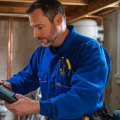
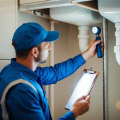
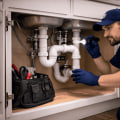
A plumbing inspection is a comprehensive evaluation of a home's plumbing system, designed to identify potential issues before they escalate into costly repairs. This process involves a thorough examination of pipes, fixtures, and appliances to ensure everything is functioning correctly and efficiently. Homeowners often overlook the importance of regular inspections, but understanding what a plumbing inspection entails can significantly impact the longevity and safety of their plumbing systems. During a plumbing inspection, licensed professionals assess various components, including water supply lines, drainage systems, and sewer connections. They check for leaks, corrosion, and blockages that could lead to more severe problems down the line.
By identifying these issues early on, homeowners can save themselves from unexpected emergencies and expensive repairs. Moreover, a well-maintained plumbing system contributes to better water quality and energy efficiency, making it an essential aspect of homeownership. The importance of plumbing inspections cannot be overstated. Not only do they help in maintaining the integrity of your home’s plumbing system, but they also provide peace of mind. Knowing that your plumbing is in good condition allows you to focus on other aspects of home maintenance without the constant worry of potential plumbing disasters.
In essence, investing in regular plumbing inspections is a proactive approach that safeguards your home and enhances its value over time.
The Importance of Regular Plumbing Inspections
Regular plumbing inspections are crucial for maintaining the integrity and functionality of your home’s plumbing system. One of the primary reasons these inspections are important is their ability to prevent costly repairs. Small leaks or minor issues can escalate into major problems if left unchecked, leading to extensive water damage and expensive repairs. By identifying these issues early, homeowners can save significant amounts of money in the long run.Another key benefit of regular plumbing inspections is ensuring the safety of your household.Faulty plumbing can lead to hazardous situations, such as mold growth from undetected leaks or even structural damage due to water infiltration. A professional inspection can help identify potential safety risks, allowing homeowners to address them before they become serious threats.Moreover, routine plumbing maintenance through inspections helps in maintaining property value. A well-maintained plumbing system is a significant selling point for potential buyers. If you plan to sell your home in the future, having a history of regular inspections can enhance your property’s appeal and market value.In addition to these benefits, regular plumbing inspections can also improve the overall efficiency of your plumbing system.
Over time, sediment buildup and other issues can reduce water flow and increase utility bills. Inspections allow for timely maintenance that keeps your system running smoothly and efficiently.In summary, investing in regular plumbing inspections is not just about avoiding immediate problems; it’s about ensuring long-term safety, efficiency, and value for your home. By prioritizing these inspections, homeowners can enjoy peace of mind knowing their plumbing system is in good condition.
Common Issues Identified During Plumbing Inspections
During a plumbing inspection, various common issues can be identified that may not be immediately visible to homeowners. Understanding these potential problems is crucial for maintaining a safe and efficient plumbing system.- Leaky Pipes: One of the most frequent issues found during inspections is leaky pipes.
These leaks can lead to water damage, mold growth, and increased water bills. Inspectors often check for signs of moisture around joints and connections.
- Corroded Pipes: Over time, pipes can corrode due to age or chemical reactions with water. Corrosion can weaken pipes, leading to leaks or even bursts. An inspection will assess the condition of your plumbing materials.
- Clogged Drains: Blockages in drains can cause slow drainage or backups.
Inspectors may use cameras to identify clogs deep within the plumbing system, which can be caused by grease buildup, tree roots, or foreign objects.
- Faulty Water Heaters: A malfunctioning water heater can lead to inconsistent hot water supply or leaks. Inspections often include checking the temperature settings and the condition of the tank.
- Sewer Line Issues: Problems in the sewer line, such as cracks or blockages, can lead to serious health hazards. Inspectors will evaluate the sewer line's integrity and functionality.
How Plumbing Inspections Save You Money
Investing in a plumbing inspection can lead to significant cost savings for homeowners.Regular inspections help identify potential issues before they escalate into major problems, which can be financially burdensome.One of the primary financial benefits of a plumbing inspection is the ability to catch small leaks or clogs early. For instance, a minor leak that goes unnoticed can lead to water damage, mold growth, and even structural issues, all of which require costly repairs. By addressing these issues promptly, homeowners can save thousands of dollars in repair costs.Additionally, plumbing systems that are not regularly inspected may lead to inefficient water usage. This inefficiency can result in higher water bills over time.
A thorough inspection can identify areas where water is being wasted, allowing homeowners to make necessary adjustments and reduce their monthly expenses.
- Prevent Major Repairs: Regular inspections can help avoid the need for expensive emergency repairs by identifying problems early.
- Lower Utility Bills: By fixing leaks and optimizing plumbing systems, homeowners can enjoy reduced water and energy bills.
- Increase Property Value: A well-maintained plumbing system enhances the overall value of a home, making it more attractive to potential buyers.
Choosing the Right Plumbing Inspector
Choosing the right plumbing inspector is crucial for ensuring that your plumbing system is thoroughly evaluated and any potential issues are identified early. Here are some key factors to consider when selecting a qualified plumbing inspector:- Experience and Qualifications: Look for inspectors who have extensive experience in the plumbing industry.
They should be licensed and certified, demonstrating their knowledge of local codes and regulations.
- Reputation: Research online reviews and ask for references from previous clients. A reputable inspector will have positive feedback and a track record of thorough inspections.
- Insurance: Ensure that the inspector carries liability insurance. This protects you in case of any accidents or damages that may occur during the inspection process.
- What is your inspection process? A qualified inspector should be able to outline their methodology, including what areas they will inspect and the tools they will use.
- Can you provide a sample report? Requesting a sample report can give you insight into how detailed and clear their findings are.
- How do you handle issues found during the inspection? Understanding their approach to addressing problems can help you assess their professionalism and thoroughness.
FAQs About Plumbing Inspections
When it comes to plumbing inspections, homeowners often have several questions.Here are some of the most frequently asked questions to help clarify common concerns and misconceptions.
What is a plumbing inspection?
A plumbing inspection is a thorough examination of your home's plumbing system, including pipes, fixtures, and appliances. This process helps identify potential issues such as leaks, corrosion, or blockages that could lead to more significant problems if left unaddressed.How often should you have a plumbing inspection?
It is generally recommended to have a plumbing inspection at least once every two years. However, if you live in an older home or have experienced plumbing issues in the past, more frequent inspections may be beneficial. Regular inspections can help catch problems early and save you money in the long run.What are the benefits of a plumbing inspection?
- Preventative maintenance: Identifying issues before they escalate can save you from costly repairs.
- Increased property value: A well-maintained plumbing system can enhance your home's value and appeal to potential buyers.
- Peace of mind: Knowing that your plumbing system is in good condition can alleviate stress and worry.
What should I expect during a plumbing inspection?
During a plumbing inspection, a licensed plumber will assess various components of your plumbing system, including:- Pipes for leaks or corrosion
- Water pressure levels
- Sewage systems and drainage
- Water heater functionality
- Fixtures for proper operation
Can I perform my own plumbing inspection?
While homeowners can conduct basic checks, such as looking for visible leaks or checking water pressure, it is advisable to hire a professional for a comprehensive plumbing inspection.Professionals have the expertise and tools to identify hidden issues that may not be apparent to the untrained eye.
Conclusion: The Value of Proactive Plumbing Care
In conclusion, the significance of a plumbing inspection cannot be overstated. Regular inspections serve as a proactive measure to identify potential issues before they escalate into costly repairs. By investing in routine plumbing assessments, homeowners can ensure the longevity and efficiency of their plumbing systems. Throughout this article, we have highlighted several key benefits of conducting regular plumbing inspections:- Early Detection: Inspections help in identifying leaks, corrosion, and other problems that may not be visible to the naked eye.
- Cost Savings: Addressing minor issues during an inspection can prevent major repairs down the line, saving homeowners significant amounts of money.
- Improved Water Quality: Regular checks can help ensure that your water supply remains clean and free from contaminants.
- Increased Property Value: A well-maintained plumbing system can enhance the overall value of your home, making it more attractive to potential buyers.
Therefore, prioritizing these inspections is not just about maintenance; it’s about safeguarding your home and family. Ultimately, embracing a routine of regular plumbing inspections is a wise decision for any homeowner. It fosters peace of mind knowing that your plumbing system is functioning optimally and allows you to address any concerns before they become significant problems. Make it a point to schedule your next inspection today and invest in the long-term health of your home.