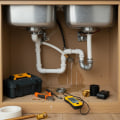
When it comes to maintaining a home, many homeowners often overlook the significance of plumbing inspections. These routine evaluations are crucial in identifying potential issues before they escalate into costly repairs. By understanding the importance of a plumbing inspection, you can take proactive steps to safeguard your home and ensure that your plumbing system operates efficiently. A comprehensive plumbing inspection not only helps in detecting leaks, clogs, and corrosion but also provides insights into the overall health of your plumbing system. Regular inspections can reveal hidden problems that may not be immediately visible, such as deteriorating pipes or faulty fixtures.
Addressing these issues early on can save homeowners significant amounts of money in emergency repairs and water damage restoration. Moreover, the benefits of a plumbing inspection extend beyond just financial savings. A well-maintained plumbing system contributes to a healthier living environment by reducing the risk of mold growth and ensuring clean water supply. By investing in regular inspections, you are not only protecting your property but also enhancing your quality of life. In the following sections, we will explore specific preventative measures you can take to avoid major plumbing issues, starting with the essential role of inspections.
Common Plumbing Issues and Their Causes
Understanding common plumbing issues is essential for homeowners looking to maintain their plumbing systems effectively.By recognizing these problems and their underlying causes, you can take proactive steps to prevent them from escalating into major repairs. One of the most frequent issues is leaks. These can occur due to various factors, including:
- Worn-out seals: Over time, the seals around faucets and pipes can degrade, leading to leaks.
- Corroded pipes: Aging pipes may develop holes or cracks, allowing water to escape.
- High water pressure: Excessive pressure can stress pipes and joints, causing them to fail.
- Accumulation of debris: Hair, soap scum, and food particles can build up in drains.
- Tree roots: Roots can infiltrate underground pipes, obstructing flow.
- Improper disposal: Flushing non-biodegradable items can lead to severe blockages.
- Aging infrastructure: Older homes may have pipes made from materials that corrode over time.
- Chemical reactions: Water with high acidity or alkalinity can accelerate corrosion.
- Installing water softeners to reduce mineral buildup.
- Avoiding chemical drain cleaners that can damage pipes.
- Regularly checking for signs of leaks or corrosion in visible plumbing areas.
The Role of Regular Plumbing Inspections
Regular plumbing inspections play a crucial role in maintaining the health of your home’s plumbing system.By scheduling these inspections, homeowners can identify potential issues before they escalate into costly repairs. During an inspection, a qualified plumber will examine various components of your plumbing system, including pipes, fixtures, and appliances.
What Inspectors Look For
- Leaks: Inspectors will check for any signs of leaks in pipes and fixtures, which can lead to water damage and mold growth.
- Corrosion: Over time, pipes can corrode, leading to weakened structures and potential failures.
- Clogs: Regular inspections help identify early signs of clogs in drains and sewer lines, preventing major blockages.
- Water Pressure: Inspectors will assess water pressure levels to ensure they are within a normal range, as both high and low pressure can indicate underlying issues.
- Appliance Functionality: Appliances such as water heaters and sump pumps will be evaluated for proper operation.
Benefits of Regular Inspections
- Cost Savings: Identifying problems early can save homeowners significant amounts on repairs and replacements.
- Peace of Mind: Knowing that your plumbing system is in good condition provides reassurance and reduces stress.
- Increased Lifespan: Regular maintenance can extend the lifespan of your plumbing system and its components.
Preventative Measures to Take Between Inspections
Maintaining your plumbing system between professional plumbing inspections is crucial for preventing major issues down the line.Here are some effective preventative plumbing measures you can take:
- Monitor Water Pressure: High water pressure can strain your pipes and lead to leaks. Use a water pressure gauge to check your home’s pressure; it should ideally be between 40-60 psi. If it exceeds this range, consider installing a pressure regulator.
- Check for Leaks: Regularly inspect visible pipes, faucets, and fixtures for any signs of leaks. Even small drips can lead to significant water waste and damage over time.
If you notice any leaks, address them promptly by tightening fittings or replacing worn washers.
- Maintain Drains: Keep your drains clear by using strainers to catch hair and debris. Avoid pouring grease or food scraps down the sink, as these can cause clogs. For regular maintenance, flush drains with a mixture of baking soda and vinegar followed by hot water to help break down buildup.
- Inspect Toilets: Check your toilets for leaks by adding a few drops of food coloring to the tank. If the color seeps into the bowl without flushing, you may need to replace the flapper valve.
Additionally, ensure that the toilet is securely mounted to prevent rocking, which can lead to cracks.
- Know Your Main Shut-Off Valve: Familiarize yourself with the location of your main shut-off valve and ensure it functions properly. In case of a plumbing emergency, knowing how to quickly shut off the water supply can prevent extensive damage.
Seasonal Plumbing Maintenance Tips
Maintaining your plumbing system throughout the year is essential to prevent major issues, especially as seasons change. Here are some seasonal plumbing maintenance tips to keep your system in top shape.Winter Plumbing Tips
- Insulate Pipes: Ensure that pipes in unheated areas, such as basements and attics, are properly insulated to prevent freezing.
- Drip Faucets: During extreme cold, let faucets drip slightly to keep water moving and reduce the risk of freezing.
- Check for Leaks: Inspect your home for any leaks or cracks that could allow cold air in, which can lead to frozen pipes.
- Shut Off Outdoor Faucets: Drain and shut off outdoor faucets and hoses to prevent damage from freezing temperatures.
Spring Plumbing Care
- Inspect for Damage: After winter, check for any signs of damage caused by freezing temperatures, such as cracked pipes or damaged fixtures.
- Clear Gutters: Clean out gutters and downspouts to ensure proper drainage and prevent water from pooling around your foundation.
- Test Sump Pumps: If you have a sump pump, test it to ensure it’s functioning properly before the heavy spring rains arrive.
Summer Plumbing Maintenance
- Check Sprinkler Systems: Inspect your irrigation systems for leaks or clogs to ensure efficient watering of your garden.
- Monitor Water Usage: Keep an eye on your water bill; a sudden increase may indicate a hidden leak.
- Flush Water Heater: Regularly flushing your water heater can help remove sediment buildup and improve efficiency.
Regular plumbing inspections, especially before major seasonal changes, can further safeguard your home against unexpected plumbing problems.
When to Call a Professional Plumber
Knowing when to call a plumber can save you time, money, and a lot of stress. While some minor plumbing issues can be handled with DIY solutions, there are certain signs that indicate the need for professional intervention.Signs You Need a Plumber
- Persistent Leaks: If you notice water pooling around fixtures or dripping from pipes, it’s a clear sign that something is wrong. Ignoring leaks can lead to significant water damage and mold growth.
- Low Water Pressure: A sudden drop in water pressure can indicate a serious issue, such as a hidden leak or a blockage in the pipes. This is not something you should ignore.
- Clogged Drains: While minor clogs can often be cleared with a plunger or drain cleaner, frequent clogs may suggest deeper issues within your plumbing system that require professional assessment.
- Unpleasant Odors: Foul smells emanating from your drains could indicate a sewage backup or other serious plumbing problems that need immediate attention.
- No Hot Water: If your hot water heater fails, it can disrupt your daily routine.
A professional plumber can diagnose and fix the issue efficiently.
Emergency Plumbing Situations
Some plumbing issues are emergencies that require immediate attention. These include:- Major Pipe Bursts: A burst pipe can cause extensive water damage in a matter of minutes. If you experience this, turn off your main water supply and call a plumber immediately.
- Sewage Backups: If you notice sewage backing up into your home, it poses health risks and requires urgent professional help.
- Overflowing Toilets: An overflowing toilet can quickly become a messy situation. If plunging doesn’t resolve the issue, it’s time to call in an expert.
Regular plumbing inspections can also help identify potential problems before they become urgent situations.
FAQs About Plumbing Inspections and Maintenance
When it comes to maintaining a healthy plumbing system, many homeowners have questions about plumbing inspections and the best practices for preventative care. Here are some frequently asked questions that can help clarify these important topics.What is a plumbing inspection?
A plumbing inspection is a thorough examination of your plumbing system, including pipes, fixtures, and appliances. This process helps identify potential issues before they escalate into major problems. Regular inspections can save you money in the long run by addressing small leaks or clogs early.How often should I schedule a plumbing inspection?
It is generally recommended to schedule a plumbing inspection at least once a year.However, if you live in an older home or have experienced plumbing issues in the past, more frequent inspections may be beneficial.
What are some common signs that I need a plumbing inspection?
- Unusual noises: Sounds like gurgling or banging can indicate air in the pipes or other issues.
- Water stains: Discoloration on walls or ceilings may suggest leaks.
- Slow drains: If multiple drains are slow, it could point to a blockage in the main line.
- Increased water bills: A sudden spike in your water bill may indicate hidden leaks.
What preventative measures can I take?
To avoid major plumbing issues, consider the following tips:- Regular maintenance: Schedule routine inspections and maintenance with a licensed plumber.
- Avoid chemical drain cleaners: These can damage pipes over time; opt for natural alternatives instead.
- Monitor your water pressure: High water pressure can strain your plumbing system; install a pressure regulator if necessary.
- Know your plumbing layout: Understanding where your main shut-off valve and cleanouts are located can save time during emergencies.
Conclusion: Proactive Steps for a Healthy Plumbing System
In conclusion, maintaining a healthy plumbing system is not just about addressing issues as they arise; it’s about taking proactive steps to prevent them from occurring in the first place. Regular plumbing inspections play a crucial role in identifying potential problems before they escalate into costly repairs. By implementing the following preventative measures, homeowners can significantly reduce the risk of major plumbing issues:- Schedule Regular Inspections: Aim for at least one comprehensive plumbing inspection each year. This allows professionals to check for leaks, corrosion, and other hidden issues.
- Monitor Water Pressure: High water pressure can lead to pipe damage. Use a pressure gauge to ensure your home’s water pressure is within the recommended range.
- Be Mindful of What Goes Down the Drain: Avoid flushing non-biodegradable items and grease down the sink.
Use drain covers to catch debris and hair.
- Insulate Pipes: In colder climates, insulating pipes can prevent freezing and bursting during winter months.
- Know Your Main Shut-Off Valve: Familiarize yourself with the location of your main shut-off valve. In case of an emergency, knowing how to quickly turn off the water supply can minimize damage.