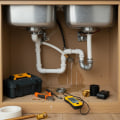
A plumbing inspection is a comprehensive evaluation of a building's plumbing system, designed to identify potential issues and ensure that everything is functioning correctly. This process typically involves a thorough examination of pipes, fixtures, and appliances to assess their condition and performance. By conducting a plumbing inspection, homeowners can gain valuable insights into the health of their plumbing systems, which can help prevent costly repairs and maintain the overall integrity of their property.The primary purpose of a plumbing inspection is to detect problems before they escalate into major issues. Common concerns that inspectors look for include leaks, corrosion, blockages, and signs of wear and tear.
Additionally, inspections can reveal whether the plumbing system complies with local codes and regulations, ensuring safety and efficiency. Regular inspections are particularly important for older homes or properties that have undergone significant renovations, as these factors can contribute to hidden plumbing challenges.In summary, a plumbing inspection serves as a proactive measure to safeguard your home’s plumbing infrastructure. By understanding what a plumbing inspection entails and its significance, homeowners can make informed decisions about maintenance and repairs, ultimately leading to a more reliable and efficient plumbing system.
The Importance of Plumbing Inspections
Understanding the importance of plumbing inspections is crucial for homeowners and property managers alike. Regular inspections can save you from unexpected and costly repairs, ensuring that your plumbing system operates efficiently and safely.One of the primary benefits of a plumbing inspection is the early detection of potential issues.Small leaks or blockages can escalate into major problems if left unaddressed. By identifying these issues early, you can avoid extensive damage to your property, which often leads to expensive repairs and renovations.Additionally, plumbing inspections help maintain the overall health of your plumbing system. Over time, pipes can corrode, joints can weaken, and sediment can build up, leading to reduced water flow and pressure. A thorough inspection allows professionals to assess the condition of your pipes and recommend necessary maintenance or replacements.
- Safety: Faulty plumbing can lead to hazardous situations such as water contamination or structural damage.
Inspections ensure that your system complies with safety standards.
- Peace of Mind: Knowing that your plumbing system has been inspected by a professional provides reassurance that everything is functioning correctly.
- Increased Property Value: A well-maintained plumbing system is an attractive feature for potential buyers, making regular inspections a wise investment.
What to Expect During a Plumbing Inspection
A plumbing inspection is a thorough examination of a property's plumbing system, designed to identify any potential issues that could lead to costly repairs or health hazards. Understanding what to expect during this process can help homeowners prepare and ensure a smooth inspection.Typical Steps in the Plumbing Inspection Process
- Initial Assessment: The inspector will start by assessing the overall condition of the plumbing system.
This includes checking for visible leaks, corrosion, and signs of wear and tear.
- Water Pressure Test: Inspectors often conduct a water pressure test to ensure that the system is functioning properly. Low water pressure can indicate blockages or leaks.
- Drainage Evaluation: The inspector will examine the drainage system, including sinks, toilets, and bathtubs, to ensure they are draining correctly and not showing signs of clogs.
- Pipe Inspection: Using specialized tools like cameras, inspectors can look inside pipes to identify issues such as cracks, blockages, or tree root intrusions.
- Fixture Check: All plumbing fixtures will be checked for functionality and leaks. This includes faucets, showerheads, and toilets.
What Happens During a Plumbing Inspection
The entire inspection process typically takes between one to two hours, depending on the size of the property and the complexity of the plumbing system. After completing the inspection, the inspector will provide a detailed report outlining their findings, including any necessary repairs or maintenance recommendations.
Plumbing Inspection Checklist
- Check for visible leaks in pipes and fixtures
- Test water pressure throughout the home
- Inspect drainage systems for clogs or slow drainage
- Evaluate the condition of exposed pipes
- Examine water heaters for proper function and safety
- Review sump pumps and backflow prevention devices if applicable
Common Issues Found During Plumbing Inspections
During a plumbing inspection, professionals often uncover a variety of common issues that can lead to significant problems if left unaddressed.Understanding these frequent findings can help homeowners take proactive measures to maintain their plumbing systems.
- Leaky Pipes: One of the most prevalent issues found during inspections is leaky pipes. These leaks can occur due to corrosion, wear and tear, or improper installation. Even small leaks can lead to water damage and mold growth over time.
- Clogged Drains: Inspectors frequently encounter clogged drains, which can result from a buildup of grease, hair, soap scum, or foreign objects. Regular inspections can help identify these clogs before they escalate into more serious blockages.
- Faulty Water Heaters: A malfunctioning water heater is another common finding.
Issues such as sediment buildup, rust, or faulty thermostats can affect the efficiency and safety of the unit.
- Improper Venting: Proper venting is crucial for maintaining healthy plumbing systems. Inspectors often find improperly vented systems that can lead to sewer gas leaks and poor drainage.
- Old or Deteriorating Fixtures: Aging fixtures, such as faucets and toilets, may show signs of wear that could lead to leaks or inefficient water use. Inspectors will often recommend replacements for fixtures that are beyond their lifespan.
How to Prepare for a Plumbing Inspection
Preparing for a plumbing inspection is essential to ensure that the process goes smoothly and efficiently.Here are some practical tips to help you get ready:
- Clear Access Points: Make sure that the plumber has easy access to all areas that will be inspected. This includes clearing away any furniture, boxes, or other items that may obstruct access to pipes, fixtures, and appliances.
- Document Existing Issues: If you have noticed any plumbing issues, such as leaks or slow drains, document them before the inspection. This information can help the inspector focus on specific areas of concern.
- Check for Water Damage: Inspect your home for any signs of water damage, such as stains on walls or ceilings. Addressing these issues beforehand can provide valuable insights during the inspection.
- Gather Relevant Documents: Have any previous plumbing inspection reports, warranties, or service records ready for the inspector.
This documentation can provide context and assist in identifying recurring issues.
- Know Your Plumbing System: Familiarize yourself with your home’s plumbing layout. Knowing where the main shut-off valve is located and understanding the basic components of your system can be beneficial during the inspection.
Cost of Plumbing Inspections
Understanding the cost of plumbing inspections is crucial for homeowners and property managers alike. Typically, the price for a plumbing inspection can range from $100 to $300, depending on various factors.Factors Affecting Plumbing Inspection Prices
- Location: The geographical area can significantly influence costs.
Urban areas may have higher rates due to increased demand and cost of living.
- Type of Property: Residential inspections generally cost less than commercial ones. Larger properties or those with complex plumbing systems may incur higher fees.
- Inspection Scope: A basic inspection may cover visible plumbing components, while a comprehensive inspection could include advanced techniques like video camera inspections, which can increase the overall cost.
- Experience of the Inspector: More experienced plumbers or those with specialized certifications may charge higher fees, but their expertise can provide added value.
- Additional Services: If repairs or maintenance are needed following the inspection, these costs will be additional. Some companies offer package deals that include both inspection and minor repairs at a discounted rate.
Choosing the Right Plumbing Inspector
Choosing the right plumbing inspector is crucial for ensuring that your plumbing system is thoroughly evaluated and any potential issues are identified early.Here are some key factors to consider when selecting a qualified plumbing inspector:
- Check Credentials: Ensure that the inspector is licensed and certified. This not only demonstrates their expertise but also ensures they adhere to local regulations and standards.
- Experience Matters: Look for an inspector with substantial experience in the field. An inspector who has been in the industry for several years will likely have encountered a wide range of plumbing issues and can provide more comprehensive evaluations.
- Read Reviews: Online reviews and testimonials can provide insight into the inspector's reputation. Look for feedback on their thoroughness, professionalism, and reliability.
- Ask for References: A reputable plumbing inspector should be willing to provide references from previous clients.
Contact these references to inquire about their experiences.
- Inquire About Their Process: A good inspector should have a clear process for conducting inspections. Ask about what areas they will cover, the tools they use, and how they report their findings.
- Get Multiple Quotes: Don’t settle for the first inspector you find. Obtain quotes from several inspectors to compare pricing, services offered, and overall value.
FAQs About Plumbing Inspections
When it comes to plumbing inspections, many homeowners have questions.Here are some of the most frequently asked questions to help clarify your concerns:
- What is a plumbing inspection?
A plumbing inspection is a thorough examination of a home's plumbing system, including pipes, fixtures, and appliances. It aims to identify any potential issues, such as leaks, corrosion, or blockages, ensuring that everything is functioning properly. - Why do I need a plumbing inspection?
Regular plumbing inspections can help prevent costly repairs down the line. They are especially important before purchasing a new home or after significant renovations. - How often should I have a plumbing inspection?
It is generally recommended to have a plumbing inspection every 1-2 years. However, if you notice any signs of trouble, such as slow drains or unusual noises, you should schedule an inspection sooner. - What does a plumbing inspector look for?
Inspectors check for leaks, water pressure issues, pipe condition, drainage problems, and the overall functionality of fixtures and appliances.They may also assess the water heater and sump pump.
- How long does a plumbing inspection take?
Typically, a plumbing inspection can take anywhere from 1 to 3 hours, depending on the size of the home and the complexity of the plumbing system. - What happens if problems are found during the inspection?
If issues are identified during the inspection, the inspector will provide recommendations for repairs or further evaluations. Addressing these problems promptly can save you money and prevent further damage.
Conclusion: The Value of Regular Plumbing Inspections
In conclusion, regular plumbing inspections are essential for maintaining the safety, efficiency, and longevity of your home’s plumbing system. By identifying potential issues before they escalate, homeowners can save significant amounts of money on repairs and avoid the stress associated with plumbing emergencies.Throughout this article, we have explored the various aspects of a plumbing inspection, including what it entails, the benefits it offers, and how often it should be performed. Here are some key takeaways:- Early Detection: Regular inspections help in spotting leaks, corrosion, and other problems early on, preventing costly damage.
- Improved Efficiency: A well-maintained plumbing system operates more efficiently, which can lead to lower water bills and reduced environmental impact.
- Increased Property Value: Homes with a history of regular inspections and maintenance are often more attractive to potential buyers.
- Peace of Mind: Knowing that your plumbing system is in good condition allows you to focus on other aspects of homeownership without worry.
Whether you’re a new homeowner or have lived in your house for years, scheduling regular inspections with a qualified plumber can ensure that your plumbing system remains reliable and efficient for years to come.Don’t wait for a minor issue to turn into a major headache. Make plumbing inspections a priority in your home maintenance routine and enjoy the benefits of a safe and efficient plumbing system.